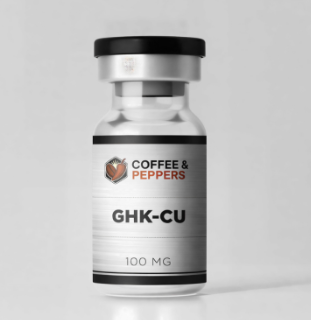

Peptide sellers have exploded online over the last couple of years, especially with the rise of GLP-1 interest, biohacking communities, and “research peptide” culture. One name that keeps showing up lately is Coffee and Peppers Peptides.
The company markets itself as a supplier of research-grade peptides with polished branding, lab-style presentation, and a growing online following. At first, the website looks far more modern than many peptide vendors floating around online right now.
In this review, I’ll break down what Coffee and Peppers Peptides actually is, why the “research use only” label matters, and the biggest concerns people keep raising online about peptide vendors like this.
Quick Takeaways
- Coffee and Peppers sells “research-grade” peptides online
- Products are labeled not for human consumption
- The peptide market itself operates in a legally gray and loosely regulated space
- Online discussions about Coffee and Peppers are very mixed
- Some users report successful orders while others report customer service and quality concerns
- Biggest risk comes from the overall peptide vendor industry, not just one company
Table of Contents
- Quick Takeaways
- What Is Coffee and Peppers Peptides?
- Why The Peptide Market Feels Risky
- What People Online Are Saying
- The “Research Use Only” Reality
- Why These Vendors Keep Growing
- A Pattern I Keep Seeing
- Is Coffee and Peppers Legit or a Scam?
- Conclusion
- Frequently Asked Questions
What Is Coffee and Peppers Peptides?
Coffee and Peppers is an online peptide vendor selling compounds typically marketed for laboratory research purposes. The site includes products tied to:
GLP-1 research,
fat-loss peptides,
recovery compounds,
and biohacking trends.
One of the first things that stands out is the disclaimer system. The company repeatedly states products are sold strictly for laboratory research use and not for human or animal consumption. That disclaimer is extremely common across peptide vendors because many of these compounds exist in a regulatory gray area online.
Why The Peptide Market Feels Risky
This is the bigger issue people need to understand before buying from sites like this. The online peptide industry is nowhere near as regulated as standard pharmaceutical manufacturing. Even when companies provide COAs (Certificates of Analysis) or third-party testing claims, buyers still rely heavily on trust.
That uncertainty is exactly why peptide communities online constantly debate:
purity, source quality, storage, dosage accuracy, and legitimacy.
The average consumer often assumes “research peptide” automatically means pharmaceutical-grade quality control, but that’s not always true.
What People Online Are Saying
The feedback around Coffee and Peppers is extremely divided. Some users say: orders arrived successfully, shipping was fast, or products seemed effective.
Others report: wrong shipments, poor communication, pricing complaints, and concerns about testing transparency.
A recurring criticism I kept seeing involved concerns over: COA credibility, customer support responsiveness, and reseller-style business practices. That doesn’t automatically prove the company is fraudulent, but it does show why people approach peptide vendors cautiously.
The “Research Use Only” Reality
This part matters more than the marketing. Even though many buyers clearly purchase peptides for personal use, companies like Coffee and Peppers protect themselves legally by labeling products as research compounds only.
That creates an unusual situation where:
the products are heavily discussed in wellness and weight-loss spaces,
but officially are not intended for direct consumer medical use. A lot of people entering the peptide world do not fully understand that distinction at first.
Why These Vendors Keep Growing
The demand comes from several trends colliding at once:
GLP-1 popularity,
biohacking culture,
fitness optimization,
anti-aging interest,
and social media transformation stories.
Once people see dramatic before-and-after discussions online, they start searching for cheaper or easier peptide access outside traditional medical systems. That demand created an entire ecosystem of research peptide vendors almost overnight.
A Pattern I Keep Seeing
Coffee and Peppers fits into the same broader wellness optimization space as products like Ascend BioLabs Peptides, Meta Melt Drops, and NeuroLabs Peptides, where the marketing focuses heavily on upgrading metabolism, focus, recovery, or body composition through “advanced” compounds.
The difference is that peptide vendors operate in a much riskier and less regulated category, which makes trust, sourcing, and quality control far more important than branding alone.
Is Coffee and Peppers Legit or a Scam?
Coffee and Peppers appear to be a real peptide vendor with active customers and product fulfillment. But the online feedback is mixed enough that caution makes sense. The larger concern is the peptide industry itself, which remains loosely regulated and heavily dependent on trust-based purchasing.
That means buyers are often navigating:
unclear sourcing,
variable testing standards,
and inconsistent vendor reliability.
Conclusion
Coffee and Peppers Peptides sits in a fast-growing but highly controversial corner of the wellness world. The polished branding and research language make the operation look professional, but the reality is that online peptide purchasing still carries significant uncertainty compared to regulated medical channels.
The biggest takeaway here is not whether one vendor looks flashy or popular online. It’s understanding that the entire research peptide ecosystem comes with risks many newer buyers do not fully realize upfront.
Frequently Asked Questions
Is Coffee and Peppers Peptides legit?
It appears to be a real peptide vendor with active customers, but online experiences and reviews are mixed.
Are Coffee and Peppers peptides FDA approved?
No. The products are sold as research compounds and are not FDA-approved for consumer medical use.
What does “research use only” mean?
It means the products are officially intended for laboratory research purposes, not human consumption.
Are online peptide vendors safe?
The peptide market is loosely regulated, so quality, purity, and testing standards can vary significantly between vendors.
Why are people buying research peptides?
Many buyers are interested in biohacking, weight loss, recovery, anti-aging, or GLP-1-related trends discussed heavily online.
Is Coffee and Peppers a scam?
It does not clearly appear to be a scam, but the peptide industry overall carries risks involving sourcing, testing transparency, and regulation.