
Knee pain relief products have become a full-on category of their own online. Scroll through ads for a few minutes and you’ll see heated wraps, vibration sleeves, red light therapy bands, and “clinical-grade recovery systems” all promising the same thing: easier movement, less stiffness, and pain relief without pills.
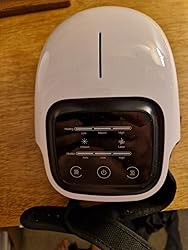
The Celoriva Heated Knee Massager sits right in the middle of that wave. It’s marketed like a premium at-home therapy device combining heat, vibration, and red light to help with inflammation, stiffness, and joint pain.
The question is whether it genuinely delivers noticeable comfort in real use, or if the benefits stay closer to short-term soothing rather than lasting improvement.
Quick Take
- Marketed as a heated + vibration + red light knee recovery device
- Built around a real concept: heat and vibration can temporarily ease stiffness
- Heavy use of “therapy” language that makes it sound more medical than it likely is
- Mixed feedback patterns across similar knee massager devices (comfort vs expectations gap)
- Overall impression: useful for temporary relief, but not a true treatment for underlying knee issues
Table of Contents
- Quick Take
- What the Celoriva Heated Knee Massager Is Supposed to Do
- What the Ads Make It Feel Like vs What It Actually Is
- What Real-World Use Usually Comes Down To
- The Practical Side People Don’t Think About
- Where Red Flags Usually Show Up
- A Pattern I Keep Seeing
- Is the Celoriva Heated Knee Massager Legit?
- Conclusion
What the Celoriva Heated Knee Massager Is Supposed to Do
Based on how it’s presented, Celoriva positions this device as a multi-therapy knee support system combining:
- heat therapy to increase blood flow
- vibration massage to relax surrounding muscles
- red light therapy to reduce inflammation and support recovery
The idea behind it isn’t random. Heat and vibration are commonly used in physical therapy settings to temporarily relieve stiffness and improve comfort.
That part of the concept is grounded in real-world recovery practices. Where things start to stretch is how broadly the benefits are framed in marketing. Claims often move from simple comfort and stiffness relief into more ambitious territory like inflammation reduction and long-term joint recovery. That’s where expectation and reality can start to drift apart.
What the Ads Make It Feel Like vs What It Actually Is
The marketing around devices like this tends to lean heavily into medical-style language.
It’s usually framed as:
- “advanced therapy system”
- “clinical-grade pain relief”
- “reduce swelling and inflammation”
- “restore mobility naturally”
The visuals reinforce that feeling too. Calm settings, people walking freely again, and quick relief narratives that feel almost immediate.
But the actual device category is closer to:
a wearable heat and vibration wrap designed for short-term comfort
That difference matters because it changes what people expect it to do in real life.
What Real-World Use Usually Comes Down To
Looking at broader feedback patterns from similar knee massagers, the experience tends to split into two main reactions.
Some users describe noticeable short-term comfort:
- warmth feels soothing on stiff joints
- vibration helps loosen tight muscles
- temporary relief after walking or workouts
- easier movement immediately after use
Others feel less dramatic results:
- relief fades quickly after removing the device
- vibration feels more surface-level than therapeutic
- expectations of “healing” don’t match reality
One consistent theme across similar devices is that they feel good while they’re on, but they don’t fundamentally change underlying joint conditions. That’s important context, especially for arthritis, post-surgery recovery, or chronic knee pain situations.
The Practical Side People Don’t Think About
One thing that comes up a lot with knee massagers in general is usability over time. Even when people like them, common friction points appear:
- fit issues depending on leg size
- bulkiness during movement
- noise from vibration motors
- needing to stay plugged in or manage charging
- Velcro or strap wear over time
Some users also mention that vibration-based devices can feel a bit noisy or distracting in quiet environments, especially when used while watching TV or resting. None of these are deal-breakers individually, but they shape the overall experience more than most ads suggest.
Where Red Flags Usually Show Up
With products in this category, the red flags aren’t always about the device itself, but about how it’s positioned.
A few patterns stand out:
- therapy language used more as marketing than medical accuracy
- inflated expectations around inflammation or healing
- “one device solves everything” positioning
- heavy reliance on testimonials instead of clinical validation
A similar pattern shows up across other wellness devices like heated wraps and red light tools, where real comfort benefits get expanded into broader health claims without strong supporting evidence.
That gap is usually where disappointment starts.
A Pattern I Keep Seeing
Celoriva fits into the same broader category I’ve seen with other recovery-style gadgets like Velariona PostCare Pro and similar heated therapy wraps.
The formula is consistent:
- take a real therapy concept (heat, vibration, compression)
- package it into a wearable device
- add “clinical” language and red light features
- market it as a breakthrough recovery system
The reality is usually more modest. These tools can genuinely feel good and help with temporary discomfort, but they rarely function as standalone solutions for chronic joint issues. The benefit is more about comfort and short-term relief than structural recovery.
Is the Celoriva Heated Knee Massager Legit?
The product category itself is legitimate. Heat therapy and vibration therapy are real methods used in physical recovery contexts, and many users do report feeling relief while using similar devices. The concern isn’t whether it works at all, but what level of results people expect from it.
If the expectation is:
- temporary relief
- reduced stiffness during use
- added comfort after activity
Then it can make sense. If the expectation is:
- long-term healing
- inflammation reversal
- treatment-level recovery
That’s where the marketing likely goes further than reality.
Conclusion
The Celoriva Heated Knee Massager sits in that familiar middle space between wellness gadget and recovery tool. There is real value in heat and vibration therapy for short-term knee comfort, and many users genuinely find these devices helpful in daily routines. But the gap between “feels better while using it” and “fixes knee problems” is where expectations need to stay realistic.
The biggest takeaway is simple. It can support comfort and mobility in the moment, but it doesn’t replace proper medical treatment or long-term physical therapy approaches.