
Can a pain relief balm really make sore muscles and stiff joints feel better, or is this just another jar of menthol with big promises attached to it?
I became interested in Vylera Pain Relief Balm for the same reason most people do. After long hours sitting at a desk, my neck, shoulders, and lower back were constantly reminding me that I’m not getting any younger. The ads made it sound like a simple solution: rub it on, let the natural ingredients do their thing, and get back to your day.
After looking into the product and how similar pain balms typically perform, I came away with mixed feelings.
Quick Take
- Marketed as a natural pain relief balm for muscles and joints
- Delivers the kind of temporary soothing sensation most topical balms provide
- Biggest concern is marketing that can make short-term relief sound like long-term pain management
- Better suited for occasional aches than serious chronic pain
Table of Contents
- Quick Take
- What Vylera Wants You to Believe
- Where My Skepticism Started
- What Using Vylera Actually Felt Like
- What Started Annoying Me
- A Pattern I Keep Seeing
- So, Is Vylera Actually Worth It?
- My Final Take
- FAQ
What Vylera Wants You to Believe
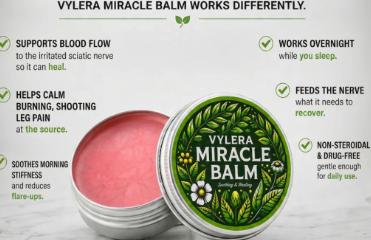
The sales pitch is pretty familiar. Apply the balm to sore areas and experience relief from joint pain, muscle stiffness, back pain, neck tension, and everyday aches. The concept itself isn’t unreasonable. Topical pain balms have been around for decades. Ingredients commonly found in these products can create cooling or warming sensations that temporarily distract from pain and help some people feel more comfortable. Similar products often receive positive feedback for mild aches, stiffness, and post-exercise soreness.
What caught my attention wasn’t the idea of the balm. It was how easily the marketing drifts from “temporary relief” into “life-changing solution.” Those are two very different things.
Where My Skepticism Started
The first thing I noticed is that there isn’t much independent discussion specifically about Vylera. For a product making fairly ambitious claims, I expected to find more real customer conversations outside company-controlled pages.
Instead, most of what I found looked similar to many other pain relief products online: glowing testimonials, dramatic before-and-after stories, and claims that sound almost too good for a topical balm. That’s usually where I slow down. Pain is emotional. If your knees hurt every morning or your back aches every time you stand up, you’re not buying a balm. You’re buying hope that something will finally work.
And that’s exactly why pain relief products often lean so heavily on emotional marketing.
What Using Vylera Actually Felt Like
If you’ve used products like Tiger Balm, Biofreeze, or similar muscle rubs before, the experience will probably feel familiar. You apply it. Within a few minutes, you notice the cooling or warming sensation. The area feels looser, more comfortable, and less distracting. That’s the part many people genuinely like about these products. Users of similar pain balms often describe noticeable short-term relief, especially for neck, shoulder, back, and muscle soreness. What I didn’t experience was some dramatic disappearance of pain. The stiffness didn’t magically vanish. The underlying issue didn’t suddenly resolve itself. What happened was closer to temporary symptom management than actual treatment. And honestly, that’s what I think most people should expect.
What Started Annoying Me
The biggest annoyance wasn’t the balm itself. It was the expectation gap. A lot of these products are marketed in ways that make it sound like you’re one jar away from solving a problem you’ve had for years. But when you look at real-world experiences with pain creams and balms, a more realistic pattern emerges:
- mild pain often responds better than severe pain
- relief is usually temporary
- some people love the sensation
- others barely notice a difference
- repeated applications are often needed throughout the day
That’s pretty consistent across the entire category. The other thing that comes up frequently is scent. Some people enjoy the strong herbal or menthol smell. Others find it overpowering.
A Pattern I Keep Seeing
Vylera reminds me of products like Zenvelle Align Shoulder Brace, Pryxo Glucose Monitor, and Somnial NeuroTone. Different products, same playbook: take a common problem, offer a simple solution, and market it as easier than it really is. The product itself may help to some degree. The marketing is usually where expectations start getting stretched.
So, Is Vylera Actually Worth It?
For minor aches, muscle soreness, stiffness after exercise, or occasional back and neck discomfort, I can see why some people would like a product like this. For chronic pain, arthritis, nerve issues, or serious joint problems, I would keep expectations much lower. The balm may help you feel better temporarily. That’s very different from fixing the problem.
My Final Take
After researching Vylera and comparing it to how similar pain balms perform in the real world, my impression is fairly simple. It’s probably not useless. It’s probably not miraculous either. If you’re expecting a soothing balm that can take the edge off everyday aches for a few hours, you may be satisfied. If you’re expecting it to solve years of chronic pain, you’re probably asking far more from the product than it can realistically deliver.
FAQ
Does Vylera Pain Relief Balm actually work?
It may provide temporary relief for mild muscle and joint discomfort, similar to other topical pain balms.
Is Vylera Pain Relief Balm a scam?
It appears to be a real product. The bigger question is whether the marketing creates expectations that exceed what a topical balm can realistically deliver.
How long does the relief last?
That varies from person to person, but most topical pain balms provide temporary relief rather than all-day results.
Can it help chronic pain?
Some users may experience temporary comfort, but chronic pain conditions often require more comprehensive treatment approaches.