
Have you come across the Yoracare Korean Scalp Revival Bar and wondered whether it’s actually worth trying?
I bought it after dealing with an itchy scalp, stubborn flakes, and hair that seemed greasy just hours after washing. The ads promised a healthier scalp through Korean-inspired ingredients and fermented botanicals, which sounded promising enough for me to give it a shot.
After using it for several weeks, some things improved, while other claims felt much harder to believe. Here’s what I experienced.
Quick Take
- Helped reduce scalp itching and flakes fairly quickly
- Leaves hair feeling very stripped if overused
- Works more like a scalp cleanser than a hair treatment
- No real evidence it affects hair loss or regrowth
- Performance is good for dandruff and buildup, not long-term hair issues
- Sits in the “works, but not magic” category of scalp products
Table of Contents
- Quick Take
- What Is the Yoracare Korean Scalp Revival Bar?
- Why I Tried Yoracare Korean Scalp Revival Bar
- My First Two Weeks
- What I Noticed After About Two Months
- The Part That Felt More Like Marketing Than Science
- What Real Users Seem To Be Saying
- The Hidden Cost Nobody Talks About
- A Pattern I Keep Seeing
- Would I Buy It Again?
- Conclusion
What Is the Yoracare Korean Scalp Revival Bar?
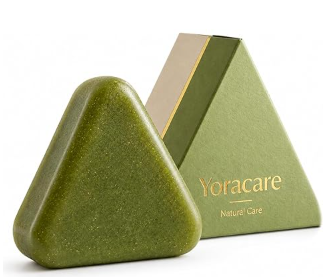
The Yoracare Korean Scalp Revival Bar is a solid shampoo-style scalp cleanser designed to target itchiness, flakes, and product buildup. Instead of a liquid shampoo, it comes in a bar form that you rub directly onto the scalp or lather in your hands before applying. It’s marketed around Korean-inspired haircare, with claims centered on fermented botanicals, scalp balancing ingredients, and deep cleansing for irritated scalps. In simple terms, it’s positioned as a scalp-focused cleansing bar rather than a traditional shampoo. The main idea is to strip away buildup, calm irritation, and leave the scalp feeling cleaner and less oily after washing.
It doesn’t function as a medical treatment for hair loss or scalp disease. It sits firmly in the cosmetic haircare category, similar to other dandruff and clarifying shampoo bars.
Why I Tried Yoracare Korean Scalp Revival Bar
I wasn’t shopping for another shampoo bar. My scalp basically pushed me into it. A few months ago I went through a phase where I kept buying “clean” shampoos because every bottle promised healthier hair, fewer chemicals, and a happier scalp. What I ended up with was the opposite. My scalp was itchy, flakes were showing up on dark shirts, and my hair looked greasy by mid-afternoon no matter how thoroughly I washed it. Then the Yoracare ads started following me everywhere. Korean scalp formula. Fermented botanicals. Scalp revival. Dermatologist-inspired ingredients. After seeing it enough times, I caved. At around $26, it felt cheaper than booking a dermatologist appointment.
My First Two Weeks
The first few washes were surprisingly good. By day three, the itching had calmed down noticeably. The constant urge to scratch my scalp wasn’t completely gone, but it wasn’t driving me crazy anymore. The flakes improved too. Not disappeared, but probably reduced by around 70%.
The tea tree sensation was strong. My scalp felt extremely clean afterward. Almost too clean. The kind of clean that makes you think you’ve finally found the thing that’s been missing. For a moment, I genuinely thought I had. Then week two arrived. My hair started feeling rougher than usual. Not damaged exactly, but noticeably drier. I quickly learned that this isn’t the type of product you want to rub all over your hair like a traditional shampoo. Used directly on the scalp, it was fine. Dragged through the lengths of my hair, it left everything feeling stripped.
What I Noticed After About Two Months
This is where the excitement settled down and reality took over. The scalp improvements mostly stayed. The itching remained better than before. The flakes remained manageable. What didn’t happen was any kind of dramatic hair transformation. I was still shedding hair in the shower. Maybe a little less than before, but nowhere near the kind of “hair growth breakthrough” some of the marketing seems to hint at. And honestly, that makes sense. A shampoo bar can’t fix stress, hormones, genetics, nutritional deficiencies, thyroid issues, or male and female pattern hair loss. Those problems require actual treatment. No matter how many fermented herbs get added to the label.
The Part That Felt More Like Marketing Than Science
One phrase kept jumping out at me while researching the product: “Korean clinic formula.” Maybe I missed it, but I couldn’t find the clinic. I couldn’t find the doctor. I couldn’t find the study. The phrase sounds impressive because it’s supposed to. It’s the skincare equivalent of putting “artisan” on a menu. That doesn’t automatically mean the product is bad. It just means the wording is doing a lot of the heavy lifting.
The fermented botanical angle falls into a similar category. I like it. It smells nice. It sounds sophisticated. But I couldn’t find convincing evidence that the formula is dramatically different from many other scalp-focused products already on the market.
What Real Users Seem To Be Saying
The more reviews I read, the more one pattern kept appearing. People dealing with dandruff, scalp buildup, itchiness, or oily roots often reported positive results. People expecting visible hair regrowth were far less satisfied. That’s a pretty important distinction. Most of the positive feedback focused on scalp comfort. Most of the disappointment focused on expectations that the product was never realistically going to meet.
The Hidden Cost Nobody Talks About
The bar itself doesn’t last forever. If you store it properly on a draining soap dish and keep it dry between washes, you’ll get decent life out of it. Leave it sitting in water and it disappears surprisingly fast. That’s one thing that rarely shows up in the ads. The value depends heavily on how carefully you store it.
A Pattern I Keep Seeing
This feels similar to what I noticed with other viral scalp and hair products like the Simply Revival DHT Blocker and a lot of “Korean-inspired” beauty bars that trend online.
The product usually does something real at a basic level, like reducing oil or improving scalp cleanliness. But the marketing stretches that into bigger promises around hair growth, repair, or transformation that the actual experience doesn’t fully support. That gap is where most expectations start to fall apart.
Would I Buy It Again?
Probably. Just not for the reasons I originally bought it. I wouldn’t buy it expecting thicker hair. I wouldn’t buy it expecting hair regrowth. I wouldn’t buy it expecting some secret Korean scalp breakthrough.
I would buy it because it helped keep my scalp calmer, less itchy, and less flaky during periods when my scalp tends to get oily and irritated. For me, that’s where the product performed best.
Conclusion
After using it, I don’t think Yoracare is a miracle product. I think it’s a decent scalp-care bar wrapped in very effective marketing. If your biggest problem is dandruff, scalp buildup, or an itchy scalp, there’s a good chance you’ll understand why some users like it. If you’re hoping it reverses hair loss, you’re probably setting yourself up for disappointment.
That’s not because the bar is terrible. It’s because hair loss is usually a much bigger problem than any shampoo or scalp bar can solve.
Also Read >>> Botanic Hearth Rosemary Oil Review: Softer Hair, Healthier Scalp, Realistic Results