
Weight loss patches are having a moment right now. Every few months a new one appears claiming it has finally solved the biggest problem in dieting: getting ingredients into your body without pills, powders, meal plans, or injections.
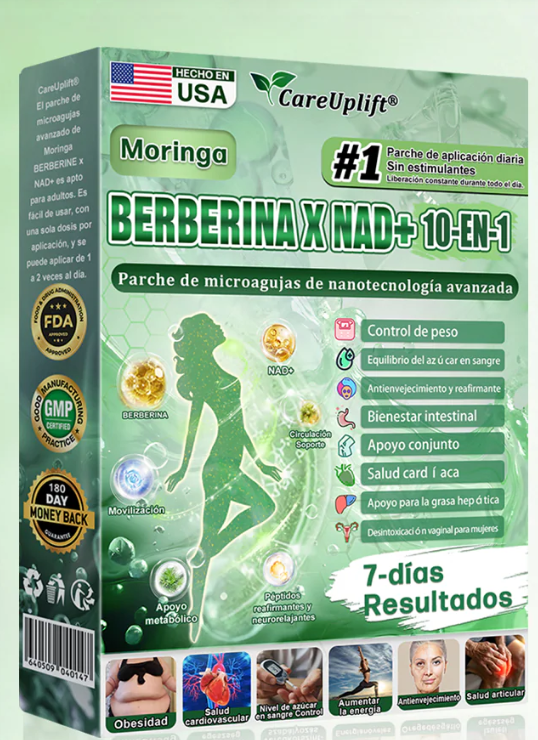
Slimrify is one of the latest examples. The company markets its Advanced Nano Microneedle Slimming Patch as a breakthrough weight-loss system that combines ingredients like berberine, moringa, NAD+, collagen peptides, green tea extract, and other wellness compounds inside a dissolvable microneedle patch.
The claims are hard to miss.
Faster fat burning.
Reduced cravings.
Improved metabolism.
Better blood sugar support.
Visible weight loss.
Some ads even suggest users can lose significant weight in surprisingly short periods of time. That immediately made me want to look closer.
In this review, we’ll break down what Slimrify is actually selling, whether the microneedle technology makes sense, and where the marketing starts becoming much bigger than the evidence.
Quick Takeaways
- Slimrify sells a microneedle weight-loss patch rather than a traditional supplement
- The patch combines popular wellness ingredients including berberine and moringa
- Weight-loss claims appear much stronger than the available evidence
- Microneedle delivery sounds impressive but doesn’t automatically prove effectiveness
- The marketing relies heavily on before-and-after transformations and urgency tactics
- The product feels more like a modern weight-loss funnel than a proven breakthrough
Table of Contents
- Quick Takeaways
- What Is Slimrify?
- The Ingredient List Sounds Familiar
- The Weight Loss Claims Are The Bigger Issue
- The Microneedle Angle Makes Everything Look More Scientific
- The Sales Funnel Raises Questions
- Who Might Be Interested In Slimrify?
- A Pattern I Keep Seeing
- Is Slimrify Legit or a Scam?
- What To Do If You Already Ordered
- Conclusion
- Slimrify Microneedle Slimming Patch FAQ
What Is Slimrify?
Slimrify’s flagship product is a microneedle slimming patch. Instead of swallowing capsules, users apply a patch containing tiny dissolving needles designed to deliver ingredients through the skin. The concept sounds advanced because microneedle technology is a real area of medical and pharmaceutical research. That’s where the marketing immediately gains credibility.
The problem is that consumers often hear “microneedle technology” and assume that automatically means the product itself is scientifically proven.
Those are two very different things. A delivery method can be legitimate while the weight-loss claims built around it remain questionable.
The Ingredient List Sounds Familiar
One thing that stood out quickly is how many trending wellness ingredients are packed into the marketing.
Berberine.
Moringa.
Green tea extract.
NAD+.
Collagen peptides.
Metabolism support compounds.
Blood sugar support ingredients.
Fat-burning ingredients.
Almost every major wellness trend from the last few years appears somewhere in the sales material. Individually, some of these ingredients have legitimate research behind them. But the marketing bundles them together into a single narrative where they supposedly work together to create dramatic weight-loss results. That’s where things start getting less convincing.
The Weight Loss Claims Are The Bigger Issue
This is where I became much more skeptical. The sales messaging often creates the impression that the patch can help people lose substantial amounts of weight simply by applying it consistently. That’s a very different claim from saying an ingredient may provide modest support for appetite, metabolism, or blood sugar management.
Those are not the same thing. Even ingredients with legitimate research behind them generally produce relatively modest effects compared to the dramatic before-and-after transformations shown in many weight-loss ads. The gap between those two realities is significant.
The Microneedle Angle Makes Everything Look More Scientific
One thing I’ve noticed with products like Slimrify is how much the technology itself becomes part of the marketing.
Terms like:
nano technology,
precision delivery,
advanced microneedles,
and transdermal absorption
create the impression that buyers are looking at a major scientific innovation. Whether the patch contains microneedles isn’t really the core question.
The real question is whether the ingredients delivered through those microneedles can realistically produce the weight-loss results being advertised. That’s where the evidence becomes much less clear.
The Sales Funnel Raises Questions
Another thing that stood out while reviewing Slimrify was how heavily the sales pages lean into urgency.
Large discounts.
Limited-time offers.
Countdown timers.
Frequent purchase notifications.
Heavy emphasis on transformation stories.
This type of presentation is extremely common across viral wellness products because it encourages fast decisions before buyers spend too much time researching. The stronger the transformation claims become, the more important independent research becomes.
Who Might Be Interested In Slimrify?
People looking for alternatives to pills or capsules will probably find the patch concept appealing. The convenience factor is easy to understand. The issue is that convenience doesn’t automatically equal effectiveness.
Someone expecting a patch to dramatically accelerate fat loss is likely expecting much more than current evidence can comfortably support.
A Pattern I Keep Seeing
Slimrify reminds me of products like Meta Melt Drops, Novexa Gummies, Coffee and Peppers Peptides, and other weight-loss funnels built around a unique delivery system.
Sometimes it’s drops.
Sometimes it’s gummies.
Sometimes it’s coffee.
Now it’s microneedle patches.
The format changes, but the underlying message stays remarkably consistent: there’s a simple solution that can supposedly make weight loss significantly easier. That’s a pattern I keep running into across the wellness industry.
Is Slimrify Legit or a Scam?
Slimrify appears to be a real product that people can purchase. The bigger concern isn’t whether the patch exists. The concern is whether the marketing creates expectations that go far beyond what the ingredients and evidence can realistically support. The patch technology sounds impressive. The weight-loss claims are where skepticism becomes much more reasonable.
What To Do If You Already Ordered
If you’ve already purchased Slimrify, approach it with realistic expectations. Pay attention to whether it helps support habits like appetite management or consistency rather than expecting dramatic fat-loss results directly from the patch itself.
It’s also worth reviewing any subscription terms, recurring billing arrangements, and return policies if you purchased through a sales funnel. Many wellness products use continuity programs that buyers overlook during checkout.
Conclusion
Slimrify’s biggest selling point isn’t the ingredients. It’s the delivery system. The microneedle technology makes the product feel futuristic and scientifically advanced, which helps separate it from ordinary weight-loss supplements. But once you get past the technology, you’re still left with the same question that applies to every weight-loss product: does the evidence justify the results being advertised?
From what I found, the technology is interesting. The marketing is persuasive. The weight-loss promises are where the biggest questions begin.
Slimrify Microneedle Slimming Patch FAQ
Does the Slimrify slimming patch actually work?
The patch contains ingredients that are commonly associated with metabolism and wellness support, but there is currently limited evidence showing that a microneedle patch can produce the dramatic weight-loss results often featured in the marketing.
How is the Slimrify patch supposed to help with weight loss?
According to the company, the microneedles deliver ingredients such as berberine, moringa, and other compounds through the skin to support metabolism, appetite control, and fat burning.
Is the Slimrify slimming patch FDA approved?
Be careful with this claim. Some marketing materials use FDA-related language, but consumers should distinguish between FDA-approved drugs and wellness products that are simply manufactured in facilities that follow certain standards.
Can a patch really deliver weight-loss ingredients through the skin?
Transdermal and microneedle delivery technologies do exist, but that does not automatically prove the specific weight-loss results being advertised by any individual product.
Is Slimrify a scam?
The product appears to be a real physical product. The bigger concern is whether the marketing creates expectations that are far greater than what the available evidence supports.
Should you buy Slimrify?
That depends on your expectations. If you’re expecting a weight-loss breakthrough, the marketing may be setting the bar unrealistically high. If you’re simply curious about the technology, it’s easier to view it as an experimental wellness product rather than a proven fat-loss solution.