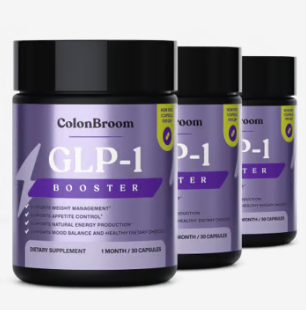

The Core Question: Can ColonBroom GLP-1 Replicate the Metabolic Miracle of Prescription Drugs?
When Ozempic and Wegovy ignited a weight loss revolution in the prescription drug market, a sharp contradiction faced millions of consumers. Clinically proven significant results came with high prices, needle anxiety, and side effects that are hard to ignore. It is precisely this gap in demand that has spawned a rapidly expanding category of so-called natural GLP-1 supplements. ColonBroom GLP-1 Booster, in capsule form with the prominent GLP-1 label, has carved out a place in this market. But its ingredient list raises a fundamental question. Is it a serious nutritional intervention or a carefully designed semantic game?
Before diving into this ColonBroom GLP-1 review, it is worth understanding the broader context. For a detailed breakdown of how these products compare, see our guide to [Best Natural GLP-1 Supplements Compared].
Table of Contents
- ColonBroom GLP-1 Claims vs. Reality: A Deep Dissection of the Ingredient List
- The Deeper Contradiction: ColonBroom GLP-1 Cannot Clearly State What It Is Selling
- Potential Side Effects of ColonBroom GLP-1: What Users Should Know Before Buying
- Expert Consensus: Not a Weak Version of Ozempic, but Something Else Entirely
- User Feedback: Mixed Signals on ColonBroom GLP-1
- How to Avoid Supplement Scams: Red Flags Every Consumer Should Know
- Tips for Shopping Safely Online: Protect Yourself Before You Buy
- Final Report: Who Should Buy ColonBroom GLP-1 and Who Should Walk Away
ColonBroom GLP-1 Claims vs. Reality: A Deep Dissection of the Ingredient List
ColonBroom GLP-1 lists four main ingredients on its product page and GNC label: Zinc as Zinc Oxide, Berberis Aristata Bark Powder providing naturally occurring berberine, Polygonum Cuspidatum Root Extract standardized to contain resveratrol, and Quercetin Dihydrate. The company claims these ingredients can support weight management, support appetite control, boost energy and metabolism, improve mood, and reduce emotional eating.
However, when we examine the evidence for these ingredients at actual dosages one by one, the picture begins to blur.
The Berberine Dosage Game. Berberine is one of the most studied natural metabolic compounds. In high purity, high dose forms of one thousand to three thousand milligrams daily, it has shown blood sugar lowering effects in people with type 2 diabetes, potentially leading to three to five pounds of modest weight loss. But this only applies to those who already have blood sugar issues. The problem is that ColonBroom GLP-1 uses unpurified Berberis bark powder, where the natural berberine content is typically only one to ten percent. At a daily dose of two hundred milligrams of bark powder, the actual berberine intake is approximately two to twenty milligrams. This dosage differs by orders of magnitude from the effective doses in clinical studies.
The Ambiguous Labeling of Resveratrol. ColonBroom GLP-1 contains Polygonum cuspidatum root extract, but is only labeled as standardized to contain resveratrol, without disclosing the specific standardization percentage. This is a warning sign in the supplement industry. The dosage observed in clinical studies to produce approximately one pound of weight loss is five hundred milligrams of pure resveratrol daily. Two hundred milligrams of an unstandardized extract may contain only a few milligrams of actual resveratrol, far below any threshold shown to produce measurable effects in research.
Zero Evidence for Quercetin. Quercetin is an antioxidant flavonoid, but in the field of weight management, the conclusions of clinical research are clear. After approximately twelve weeks of continuous use, no significant reduction in body weight or body fat compared to placebo was observed.
Zinc’s Irrelevance. Zinc is indeed associated with metabolic health in research, but the focus is on women with Polycystic Ovary Syndrome. One study found that zinc supplementation had no effect on body weight, BMI, or calorie intake in adults with obesity.
The Deeper Contradiction: ColonBroom GLP-1 Cannot Clearly State What It Is Selling
The most disturbing finding in this investigation is not the limitations of the ingredients themselves, but that ColonBroom’s descriptions of its GLP-1 product formulation are internally contradictory.
The current product page and GNC label describe a four ingredient formula containing berberine, zinc, Polygonum cuspidatum extract, and quercetin. But according to a press release dated September third, two thousand twenty six, the version announced by the company contains an entirely different five ingredient formula: berberine, chromium picolinate, five HTP, saffron extract, and bupleurum root extract. The company’s educational articles also discuss this five ingredient version.
This is not a minor discrepancy on a label, but two completely different formulations. The company has not clearly explained which version consumers are actually purchasing, or whether there is some unannounced formulation transition underway. For a product marketed on scientific backing, this basic communication confusion is itself a warning sign.
Potential Side Effects of ColonBroom GLP-1: What Users Should Know Before Buying
Even if the ingredient list raises questions about efficacy, consumers should also be aware of potential side effects. The ingredients in ColonBroom GLP-1 are not entirely benign, particularly for certain populations.
Berberine Side Effects. Berberine can cause gastrointestinal discomfort including diarrhea, constipation, gas, and stomach cramps. It may also interact with medications for diabetes, high blood pressure, and blood clotting. Pregnant and breastfeeding women should avoid berberine entirely due to potential risks to the fetus and infant.
Zinc Side Effects. Zinc is generally safe at recommended doses, but excessive intake can cause nausea, vomiting, loss of appetite, abdominal pain, and headaches. Long term high dose zinc supplementation can lead to copper deficiency and impaired immune function.
Resveratrol Side Effects. Resveratrol supplements may cause gastrointestinal upset, including nausea and diarrhea. It also has blood thinning properties and can interact with anticoagulant medications, increasing bleeding risk.
Quercetin Side Effects. Quercetin is generally well tolerated, but some users report headaches, tingling sensations, and stomach upset. It may interact with blood thinners and certain antibiotics.
Specific Warning for Medication Users. Anyone taking prescription GLP-1 drugs, diabetes medications, blood pressure medications, or anticoagulants should consult a healthcare provider before using ColonBroom GLP-1. The potential for drug interactions is real and should not be ignored.
Expert Consensus: Not a Weak Version of Ozempic, but Something Else Entirely
Bryn Austin, a professor at the Harvard T.H. Chan School of Public Health, was unambiguous when discussing the GLP-1 supplement wave. She pointed out that embedding the term GLP-1 in supplement product names is deceptive. Any consumer who sees it will think it must work like Ozempic.
Geisinger obesity medicine physician Dr. Christopher Still put it more directly. There is almost no scientific evidence supporting that GLP-1 supplements can effectively elevate GLP-1 levels to cause significant weight loss.
Prescription GLP-1 drugs like semaglutide work by directly activating GLP-1 receptors, maintaining hormone levels persistently high in the body. Even if plant ingredients in supplements could theoretically mildly stimulate endogenous GLP-1 release, their magnitude and duration are completely in a different category from drugs. Dr. Still provided a comparison. Some weight loss drugs have shown up to twenty one percent weight reduction in clinical trials.
User Feedback: Mixed Signals on ColonBroom GLP-1
Amazon reviews present a divided picture. Some users report positive experiences including appetite control, improved energy, and no jitteriness. One user described it as like a GLP-1 for him because it really curbs his appetite.
But other voices are equally real. One user wrote explicitly that it did not work for them and they did not notice a change in appetite, weight, cravings, or food noise. On PissedConsumer, a consumer complained that after using it for over a month, they had not lost a pound and instead experienced constantly being constipated and bloated.
This division is not surprising. When the actual dosage of active ingredients is far below the effective threshold, any perceived effect may come from placebo effect, concurrent dietary adjustments, or satiety from increased fiber intake, rather than the GLP-1 activation mechanism suggested by the product label.
How to Avoid Supplement Scams: Red Flags Every Consumer Should Know
The natural GLP-1 supplement market is crowded with products making bold claims. Unfortunately, not all of them are legitimate. Here are the warning signs that should make you pause before purchasing.
Red Flag One: Borrowed Medical Terminology. When a supplement uses the name of a prescription drug or a medical mechanism like GLP-1 in its marketing, be skeptical. Legitimate supplements do not need to piggyback on pharmaceutical credibility.
Red Flag Two: Proprietary Blends Without Dosages. If a label lists a proprietary blend but does not disclose how much of each ingredient is included, assume the doses are too low to be effective. Transparency is a hallmark of quality products.
Red Flag Three: Before and After Photos. Dramatic transformation photos are a staple of scam marketing. They prove nothing about the product and are often manipulated or purchased from stock image sites.
Red Flag Four: Fake Urgency and Limited Time Offers. Countdown timers, limited quantity warnings, and aggressive discount tactics are pressure sales techniques designed to prevent you from doing research.
Red Flag Five: No Third Party Testing. Reputable supplement brands submit their products for independent third party testing to verify purity, potency, and absence of contaminants. If a company cannot provide certificates of analysis, walk away.
Red Flag Six: Unrealistic Claims. No supplement can replace a prescription drug. No supplement can produce dramatic weight loss without diet and exercise changes. If the claims sound too good to be true, they are.
Red Flag Seven: No Physical Address or Contact Information. Legitimate companies provide a verifiable business address and customer service contact. Scam operations often hide behind web forms and email only.
Red Flag Eight: Overwhelmingly Positive Reviews with Suspicious Patterns. Look for reviews that sound scripted, use similar language, or appear in bursts. These are signs of review manipulation.
Tips for Shopping Safely Online: Protect Yourself Before You Buy
Even when a product seems legitimate, shopping online carries risks. Here is how to protect yourself.
Buy from Reputable Retailers. Amazon, GNC, and established health retailers have return policies and some level of quality control. Purchasing directly from unknown websites or social media ads increases risk significantly.
Check the Return Policy. A legitimate company stands behind its product with a clear, no hassle return policy. If returns are difficult or impossible, that is a warning sign.
Verify the Company. Search for the company name plus the word scam or complaint. Check the Better Business Bureau. Look for independent reviews on sites like Trustpilot or Consumer Affairs.
Use Credit Cards, Not Debit Cards. Credit cards offer fraud protection and the ability to dispute charges. Debit cards offer limited protection. Never use wire transfers or cryptocurrency for supplement purchases.
Be Wary of Subscription Traps. Many scam supplement companies enroll customers in automatic subscription programs with difficult cancellation processes. Read the fine print before entering payment information.
Consult Your Doctor First. Before starting any new supplement, especially if you take prescription medications or have underlying health conditions, speak with a healthcare provider. This is not just a safety measure. It is also a way to get an objective opinion on whether the product is worth trying.
Look for Third Party Certifications. Seals from organizations like NSF International, USP, or ConsumerLab indicate that a product has been independently tested for quality and purity. These certifications are not guarantees of effectiveness, but they do indicate a baseline of quality control.
Check the Expiration Date. Supplements lose potency over time. Ensure the product you receive has a reasonable expiration date and was not sitting in a warehouse for years.
Final Report: Who Should Buy ColonBroom GLP-1 and Who Should Walk Away
For consumers seeking an affordable Ozempic alternative: Do not purchase. This product cannot replace prescription GLP-1 receptor agonists in any dimension including mechanism, dosage, or clinical validation. Its name borrows the authority of a medical concept, but the ingredient list cannot deliver on this promise.
For patients already using prescription GLP-1 drugs and seeking transition support after discontinuation: Consult a doctor first. Current academic reviews clearly state that no clinical trials have directly evaluated the effects of using dietary supplements after GLP-1 drug treatment. This is a critical research gap. Self substituting supplements for prescription drugs may lead to weight regain and deterioration of metabolic markers.
For consumers on a budget, hesitant about injections, but willing to try mild appetite support: A cautious trial is acceptable, but adjust expectations. If the product indeed contains measurable doses of berberine or other metabolically evidenced ingredients, it may provide extremely mild auxiliary effects. But view it as a placebo like tool that may help establish healthy habits, not a pharmacological intervention.
Not Recommended For: Pregnant or breastfeeding women, individuals taking blood sugar lowering medications or anticoagulants since both berberine and resveratrol have potential drug interaction risks, and any consumer expecting twelve pounds lost type advertising results within weeks.
Have you tried ColonBroom GLP-1 or other natural GLP-1 supplements? Was your experience effective mild support or yet another marketing disillusionment? Share your real experience in the comments.

[…] Also Read >>> ColonBroom GLP-1 Review: “Natural Ozempic” or a Carefully Packaged Marketing Illusion? […]