
The Natural GLP-1 Boom: Separating Hope from Hype
The runaway success of prescription GLP-1 drugs like Ozempic, Wegovy, and Mounjaro has created a gold rush. Into this gap has rushed a wave of supplements promising to naturally boost GLP-1 and deliver similar results without injections, prescriptions, or hefty price tags. But do any of these products actually work? And if so, which ones come closest to earning their claims?
This comparison examines the most prominent natural GLP-1 supplements on the market, scrutinizing their ingredients, dosages, marketing claims, and the actual science behind them. For a deep dive into one specific product that has generated significant buzz and controversy, see our full review linked at the end of this article.
What Is GLP-1 and Why Does It Matter?
GLP-1, or glucagon-like peptide-1, is a hormone your gut releases after you eat. It slows stomach emptying, signals fullness to your brain, and helps regulate blood sugar by prompting insulin release. The problem is that natural GLP-1 has a very short lifespan in your body, lasting only minutes before an enzyme called DPP-4 breaks it down.
Prescription GLP-1 drugs work by mimicking this hormone but with a modified structure that resists breakdown, keeping levels elevated for days. This is why they produce such dramatic results. Natural supplements, by contrast, typically attempt to either stimulate your own GLP-1 release or inhibit the enzyme that breaks it down. The question is whether they can do this effectively at the dosages found in commercial products.
The Contenders: A Head-to-Head Comparison
Berberine Standalone Supplements
Key Ingredients: Pure berberine hydrochloride or berberine sulfate, typically five hundred to one thousand milligrams per capsule.
The Claim: Blood sugar support, improved insulin sensitivity, modest weight loss.
The Reality: Berberine is the most promising natural compound in this category. Studies in people with type 2 diabetes have shown blood sugar lowering effects and modest weight loss of three to five pounds over several months at doses of one thousand to three thousand milligrams daily. However, these benefits are most pronounced in people with existing metabolic issues. For otherwise healthy individuals, the weight loss effect is minimal. Quality varies enormously between brands, and berberine can interact with diabetes medications and blood thinners.
Verdict: Legitimate metabolic support for specific populations, but not a GLP-1 replacement. Dosage and purity matter enormously.
Fiber-Based Appetite Suppressants
Key Ingredients: Glucomannan, psyllium husk, beta-glucan, or proprietary fiber blends.
The Claim: Promotes fullness, reduces calorie intake, supports weight management.
The Reality: Soluble fiber genuinely does slow digestion and promote satiety. This is real physiology, not marketing. Studies on glucomannan and psyllium show modest weight loss effects, typically one to three pounds over several weeks, when combined with a reduced calorie diet. The mechanism is mechanical fullness, not GLP-1 activation. These products can be effective tools but require adequate water intake and may cause bloating or gas.
Verdict: Honest mechanism, modest results. Best viewed as a dietary aid rather than a metabolic intervention.
Probiotic and Gut Health Supplements
Key Ingredients: Various Lactobacillus and Bifidobacterium strains, sometimes combined with prebiotics.
The Claim: Supports gut health, which indirectly supports GLP-1 production.
The Reality: The gut microbiome does influence GLP-1 secretion, and certain probiotic strains have shown promise in preliminary research. However, the evidence is early stage, strain specific, and the effects on actual weight loss are unclear. The connection between probiotics and clinically significant GLP-1 elevation remains speculative.
Verdict: Promising science, insufficient evidence for weight loss claims. Good for digestion, not a weight loss solution.
Saffron Extract Supplements
Key Ingredients: Standardized saffron extract, often containing crocin and safranal.
The Claim: Reduces emotional eating, improves mood, supports appetite control.
The Reality: Saffron has legitimate research supporting its role in mood improvement and reducing snacking behavior. Some studies show modest reductions in body weight, likely mediated through appetite and mood pathways rather than direct GLP-1 activation. Effects are gentle and cumulative.
Verdict: Reasonable support for emotional eating patterns, but not a metabolic powerhouse. Best for those whose eating is driven by mood rather than hunger.
5-HTP Supplements
Key Ingredients: 5-Hydroxytryptophan, a precursor to serotonin.
The Claim: Reduces appetite, improves mood, supports weight management.
The Reality: 5-HTP may reduce appetite in some individuals by influencing serotonin pathways. However, the evidence for weight loss is weak and inconsistent. More concerning, 5-HTP carries risks of serotonin syndrome when combined with certain medications, including SSRIs and MAOIs.
Verdict: Proceed with caution. Potential for mood support, limited evidence for weight loss, and real interaction risks.
Chromium Picolinate
Key Ingredients: Chromium picolinate, typically two hundred to one thousand micrograms per serving.
The Claim: Improves insulin sensitivity, reduces cravings, supports weight management.
The Reality: Chromium has been studied for its role in blood sugar regulation. Some research suggests it may improve insulin sensitivity and reduce carbohydrate cravings, particularly in people with insulin resistance or type 2 diabetes. However, studies on weight loss specifically show mixed and generally unimpressive results. The effects are subtle at best.
Verdict: Mild support for blood sugar and cravings in specific populations, but not a weight loss powerhouse. Best combined with other interventions.
Green Tea Extract (EGCG)
Key Ingredients: Standardized green tea extract, typically containing EGCG and caffeine.
The Claim: Boosts metabolism, enhances fat burning, supports weight management.
The Reality: Green tea extract has a modest but real effect on metabolism, largely due to its EGCG and caffeine content. Studies show an increase in energy expenditure and fat oxidation, translating to perhaps one to two pounds of additional weight loss over twelve weeks. The effect is small and diminishes with tolerance to caffeine. High dose EGCG supplements carry a risk of liver toxicity in rare cases.
Verdict: Modest metabolic support, but not a game changer. Best consumed as green tea rather than concentrated capsules.
Glucomannan
Key Ingredients: Glucomannan, a soluble fiber derived from konjac root.
The Claim: Promotes satiety, reduces calorie intake, supports weight loss.
The Reality: Glucomannan is one of the better studied natural appetite suppressants. It absorbs water and expands in the stomach, creating a genuine feeling of fullness. Clinical trials show modest weight loss of two to three pounds over eight to twelve weeks when taken before meals with adequate water. It is not a GLP-1 activator but works through mechanical means.
Verdict: Honest and effective for appetite control, but requires discipline and proper hydration. Not a metabolic intervention.
The Uncomfortable Truth About Natural GLP-1 Supplements
After examining the evidence across this category, several patterns emerge.
Dosage Is Almost Always Too Low. The compounds with the most promising metabolic evidence, particularly berberine, require doses that are difficult to fit into a single capsule or are expensive to produce at scale. Many products use token amounts that look good on a label but cannot possibly produce clinical effects.
The GLP-1 Label Is Often Misleading. As Harvard’s Bryn Austin noted, putting GLP-1 on a supplement label leads consumers to expect Ozempic-like results. No supplement currently on the market can replicate the mechanism or magnitude of prescription GLP-1 receptor agonists.
Proprietary Blends Hide the Truth. When a label lists a proprietary blend without disclosing individual ingredient amounts, it is almost always because the doses are embarrassingly low. Transparency is a mark of quality.
User Reviews Are Unreliable. Placebo effect, concurrent lifestyle changes, and the natural fluctuation of weight loss attempts make anecdotal reports difficult to interpret. A product with hundreds of positive reviews may still be pharmacologically inert.
What Actually Works for Natural Appetite and Metabolic Support
If you are determined to explore natural options, here is what the evidence actually supports.
High Dose Berberine: One thousand to three thousand milligrams daily of pure berberine, standardized for purity, may support blood sugar and produce modest weight loss, particularly in people with metabolic issues.
Soluble Fiber: Glucomannan or psyllium taken before meals with plenty of water can genuinely reduce appetite through mechanical fullness.
Protein and Healthy Fats: The most effective natural GLP-1 stimulator is a meal rich in protein and healthy fats. This is not a supplement, but it works better than any capsule.
Regular Exercise: Physical activity independently stimulates GLP-1 release and improves insulin sensitivity.
Adequate Sleep and Stress Management: Poor sleep and chronic stress dysregulate appetite hormones, including GLP-1. No supplement can compensate for these foundations.
Final Verdict: Who Should Consider Natural GLP-1 Supplements and Who Should Not
Consider natural options if: You have mild appetite control goals, you understand the limitations, you are willing to invest in high quality products with transparent labeling, and you are already addressing diet, exercise, and sleep.
Do not consider natural options if: You expect prescription drug like results, you have significant weight to lose and need clinically proven intervention, you are looking for a shortcut around fundamental lifestyle changes, or you are taking medications that may interact with these compounds.
A Note on Products That Did Not Make This List: Some products market themselves aggressively as natural GLP-1 supplements but fail to disclose basic information about their formulations. One such product has generated significant controversy, and we have examined it in detail separately. For that full investigation, read our complete review here.
Have you tried any natural GLP-1 supplements? What was your experience? Share your thoughts in the comments below.

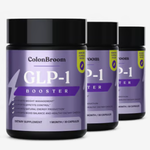
[…] Before diving into this ColonBroom GLP-1 review, it is worth understanding the broader context. For a detailed breakdown of how these products compare, see our guide to [Best Natural GLP-1 Supplements Compared]. […]