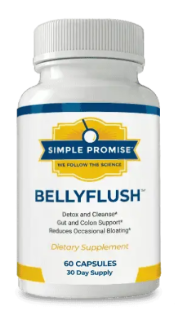

The colon cleanse supplement market is crowded with products making bold claims about flushing toxins, melting belly fat, and transforming digestive health. BellyFlush, formulated by Simple Promise, positions itself as a gentle yet effective solution for bloating, constipation, and gut discomfort. But when you examine the ingredient list, the marketing language, and the fragmented online presence, a more complicated picture emerges. Is BellyFlush a legitimate digestive aid or another entry in the long line of overhyped cleanses?
Before diving into this BellyFlush review, it is worth understanding the broader context of natural digestive supplements. For a detailed comparison of how these products stack up against each other, see our guide to [Best Natural GLP-1 Supplements Compared].
Table of Contents
- BellyFlush Claims vs. Reality: What the Ingredients Actually Do
- The Marketing Problem: “Flushing” and “Detox” Are Not Medical Concepts
- User Complaints: Auto-Billing, Refund Delays, and Overstated Results
- Potential Side Effects of BellyFlush: What Users Should Know
- Expert Consensus: A Laxative by Any Other Name
- How to Avoid Supplement Scams: Red Flags Every Consumer Should Know
- Tips for Shopping Safely Online: Protect Yourself Before You Buy
- Who Should Buy BellyFlush and Who Should Walk Away
- Conclusion
BellyFlush Claims vs. Reality: What the Ingredients Actually Do
BellyFlush markets itself as a three-phase formula that cleanses the colon, supports digestion, and promotes gut health. The ingredient list includes a blend of herbal laxatives, soothing botanicals, and minerals. But the mechanism is far less sophisticated than the marketing suggests.
The Laxative Core: Cascara Sagrada, Cape Aloe, and Senna
The most active components of BellyFlush are stimulant laxatives. Cascara sagrada contains anthraquinones that irritate the bowel lining, prompting contractions and evacuation . Cape aloe leaf works similarly, stimulating colon activity and softening stool . Senna is one of the most well-known herbal laxatives globally, clinically supported for occasional constipation but prone to causing cramping and tolerance with prolonged use .
These ingredients do work, but they work by irritation. This is not gentle detoxification. It is pharmacological stimulation of the bowel.
The Soothing Layer: Slippery Elm, Marshmallow Root, and Fennel
To counterbalance the harshness of the laxatives, BellyFlush includes soothing botanicals. Slippery elm and marshmallow root form a mucilage that can calm irritated digestive linings . Fennel acts as a carminative, helping relieve gas and bloating . These are thoughtful additions, but they do not change the fundamental nature of the formula. They simply make the laxative experience less uncomfortable.
The Extras: Triphala, Milk Thistle, Cayenne, and Licorice
Triphala is a traditional Ayurvedic blend with preliminary evidence for digestive support, though findings are not definitive . Milk thistle contains silymarin, often associated with liver support, but it does not detoxify the body in any dramatic way . Cayenne may stimulate circulation and digestive secretions, but tolerability varies widely . Licorice root can soothe digestive tissue, but high amounts may affect blood pressure .
The Marketing Problem: “Flushing” and “Detox” Are Not Medical Concepts
BellyFlush promotional materials claim the supplement helps eliminate old fecal matter and toxins from the digestive system . This language is a red flag.
The human body does not accumulate old fecal matter in the way these products suggest. The colon sheds its lining regularly and does not require flushing. The idea that a supplement can remove toxins that have been lodged in the digestive tract is not supported by medical science. What laxatives actually do is accelerate the transit of material that would have been eliminated anyway.
One promotional page goes so far as to claim BellyFlush may help lower the risk of developing certain types of digestive cancers . This is an extraordinary claim with no clinical evidence behind it. No supplement can make this claim responsibly.
User Complaints: Auto-Billing, Refund Delays, and Overstated Results
Ripoff Report contains a detailed consumer complaint about BellyFlush. The report highlights several recurring issues.
Users report that the product did not deliver the rapid or dramatic belly fat loss suggested in promotional materials. When results did occur, they were slow and inconsistent, especially without strict diet and exercise changes. Advertising often highlights fast detox and visible belly reduction, but many customers state that benefits were mild or limited to temporary bloating relief rather than actual fat loss .
More concerning are complaints about billing practices. Some buyers reported confusing checkout pages, unexpected upsells, and difficulty understanding subscription or rebill terms. One user described being told the product was not a subscription program, only to wake up to a large order in route. When they called to return it, they were told returns were possible but would incur fees .
Refund delays are another reported issue. Although a money-back guarantee is promoted, a number of users report delays or complications during the refund process, requiring multiple follow-ups with customer support .
Potential Side Effects of BellyFlush: What Users Should Know
The stimulant laxatives in BellyFlush carry real risks that are often downplayed in marketing materials.
Gastrointestinal Distress. Cascara, senna, and cape aloe can cause cramping, diarrhea, nausea, and abdominal pain. These are not uncommon reactions to stimulant laxatives, especially at the doses found in cleanse formulas.
Electrolyte Imbalance. Prolonged or excessive use of stimulant laxatives can deplete electrolytes, particularly potassium and sodium. This can lead to weakness, dizziness, heart palpitations, and in severe cases, cardiac issues .
Laxative Dependency. The colon can become dependent on stimulant laxatives for normal function. Over time, users may find they cannot have a bowel movement without the supplement, a condition sometimes called “lazy bowel syndrome” .
Specific Warning for Certain Populations. Pregnant and breastfeeding women should avoid stimulant laxatives entirely. Individuals with inflammatory bowel disease, ulcerative colitis, Crohn’s disease, or irritable bowel syndrome should consult a doctor before using any product containing cascara, senna, or aloe. Anyone taking medications for blood pressure, heart conditions, or diabetes should also seek medical advice, as interactions are possible.
Expert Consensus: A Laxative by Any Other Name
The strongest clinical evidence in the BellyFlush formula relates to senna and cascara as short-term constipation aids. These herbs work by stimulating peristalsis through irritation of the bowel lining . Triphala has some preliminary research suggesting digestive support benefits, though findings are not definitive. Milk thistle has been studied for liver support, but effects vary and it is not a substitute for medical treatment .
In short, BellyFlush is built around known herbal laxatives with supportive digestive herbs layered in. The marketing language about detoxification, flushing old waste, and metabolic reset is not supported by the ingredient science.
How to Avoid Supplement Scams: Red Flags Every Consumer Should Know
The BellyFlush case offers several lessons about avoiding problematic supplement purchases.
Red Flag One: Borrowed Medical Terminology. When a supplement claims to flush toxins or eliminate old fecal matter, be skeptical. The body does not accumulate waste in the way these products suggest.
Red Flag Two: Multiple Domains with Conflicting Trust Scores. Legitimate companies typically have one official website. When you find bellyflush.us, en-en–bellyflush.com, en-bellyflush.com, and multiple godaddysites.com pages all selling the same product, that is a warning sign.
Red Flag Three: Free Email Addresses for Business Contacts. Professional supplement companies use domain-based email addresses. Free email addresses for administrative and technical contacts suggest a small or fly-by-night operation .
Red Flag Four: Hidden Domain Ownership. When a website’s WHOIS information is hidden behind privacy services, especially for a product claiming to be an established brand, that is a red flag .
Red Flag Five: Before and After Photos Without Verification. Promotional materials often show dramatic transformations. These prove nothing about the product and are frequently manipulated.
Red Flag Six: Confusing Subscription Terms. If the checkout process is unclear about whether you are making a one-time purchase or enrolling in a subscription, stop and read carefully. Auto-billing complaints are among the most common supplement scams .
Red Flag Seven: Unrealistic Claims. No supplement can replace a medical treatment. No supplement can guarantee rapid belly fat loss. If the claims sound too good to be true, they are.
Red Flag Eight: Overwhelmingly Positive Reviews with Suspicious Patterns. Look for reviews that sound scripted, use similar language, or appear in bursts. These are signs of review manipulation.
Tips for Shopping Safely Online: Protect Yourself Before You Buy
Buy from Reputable Retailers When Possible. Amazon and established health retailers have return policies and some level of quality control. However, even Amazon listings can be problematic if the seller is not the manufacturer.
Check the Return Policy Before Purchasing. A legitimate company stands behind its product with a clear, no-hassle return policy. If returns are difficult or impossible, that is a warning sign.
Verify the Company. Search for the company name plus the word scam or complaint. Check the Better Business Bureau. Look for independent reviews on sites like Trustpilot, Consumer Affairs, or Ripoff Report.
Use Credit Cards, Not Debit Cards. Credit cards offer fraud protection and the ability to dispute charges. Debit cards offer limited protection. Never use wire transfers or cryptocurrency for supplement purchases.
Beware of Subscription Traps. Many supplement companies enroll customers in automatic subscription programs with difficult cancellation processes. Read the fine print before entering payment information.
Consult Your Doctor First. Before starting any new supplement, especially if you take prescription medications or have underlying health conditions, speak with a healthcare provider. This is not just a safety measure. It is also a way to get an objective opinion on whether the product is worth trying.
Look for Third-Party Certifications. Seals from organizations like NSF International, USP, or ConsumerLab indicate that a product has been independently tested for quality and purity. These certifications are not guarantees of effectiveness, but they do indicate a baseline of quality control.
Check the Expiration Date and Manufacturing Location. Supplements lose potency over time. Ensure the product you receive has a reasonable expiration date. Also check where it was manufactured and under what conditions.
Who Should Buy BellyFlush and Who Should Walk Away
For consumers seeking an affordable alternative to prescription weight loss drugs: Do not purchase. BellyFlush is not a weight loss product. It is a stimulant laxative cleanse. Any weight lost on this product is water weight and fecal matter, not fat, and will return once normal eating resumes.
For consumers experiencing occasional constipation: Consider gentler options first. Fiber supplements like psyllium or glucomannan, adequate hydration, and dietary changes are safer and more sustainable approaches to regularity. If constipation is chronic, see a doctor rather than self-treating with stimulant laxatives.
For consumers curious about colon cleansing: Understand what you are buying. BellyFlush contains stimulant laxatives that irritate the bowel to produce a bowel movement. This is not gentle detoxification. It is pharmacological stimulation with potential side effects including cramping, electrolyte imbalance, and dependency with prolonged use.
For consumers concerned about bloating: Address the root cause. Bloating often stems from diet, food intolerances, gut microbiome imbalances, or digestive conditions like IBS. A laxative cleanse does not address these underlying issues and may worsen them over time.
Not Recommended For: Pregnant or breastfeeding women, individuals with inflammatory bowel disease or IBS, anyone taking medications for blood pressure or heart conditions, and consumers expecting rapid belly fat loss without diet and exercise changes.
Conclusion
BellyFlush is listed on Amazon at approximately forty-nine dollars for a sixty-capsule bottle, with a Subscribe and Save option that reduces the price slightly. The product is marketed with a money-back guarantee, but consumer complaints about refund delays suggest that guarantee may be difficult to enforce .
If you do decide to try BellyFlush despite these concerns, purchase from a retailer with clear return policies and use a credit card for protection. Do not purchase from unfamiliar domains with low trust scores.
Have you tried BellyFlush or other colon cleanse supplements? Was your experience helpful digestive support or yet another marketing disappointment? Share your real experience in the comments.