Ads for this one are all over social media right now, targeting people with fibromyalgia, chronic pain, and stiffness specifically. I found real patients in a Mayo Clinic support forum already asking each other if it’s legit, so I went and pulled apart the actual sales page, the ingredient label, the testimonials, and the science claims myself.
Quick Verdict
Is TrueForm a scam? Not a fake-product scam, it’s a real supplement with a disclosed ingredient list and a real return address. But the marketing stacks up several manipulation tactics you should know about before spending $50 to $90+.
- What it is: A capsule with hyaluronic acid, pine bark extract, grape seed extract, bamboo silica, manganese, serrapeptase, boswellia, gotu kola, and boron
- Price: $49.99 to $89.99 depending on bundle, auto-enrolls in recurring “refills” by default
- Big red flag: Testimonials from “Dr. Kessler, MD” and “Dr. Whitfield, MD,” no last names, no practice info, no way to verify these are real, licensed physicians
- Bigger red flag: Customer reviews claim dramatic relief from fibromyalgia, ankylosing spondylitis, EDS, chronic Lyme, and even post-stroke symptoms, and the FAQ mentions people discontinuing prescription medications
- Science claims: Cites real, published research, but all of it is general fascia and myofascial pain research, none of it tests this specific product
- Would I buy it: No, not based on how it’s being marketed
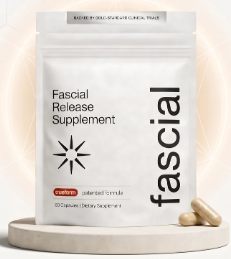
Table of Contents
- Quick Verdict
- The “Doctors” Endorsing This Have No Last Names
- The Research Cited Doesn’t Test This Product
- Testimonials Claim Relief From Serious Conditions
- The “Why Hasn’t My Doctor Mentioned This” Framing
- Subscription and Urgency Tactics
- The “Amazon Counterfeit” Warning
- TrueForm Possible Side Effects
- What to Do If You Already Ordered It
- Tips to Avoid Falling for This Kind of Marketing
- How to Be Safe Shopping Online in General
- Smarter Alternatives
- Bottom Line
The “Doctors” Endorsing This Have No Last Names
Two physician quotes appear prominently on the homepage: “Dr. Kessler, MD” and “Dr. Whitfield, MD.” No last names, no practice location, no way to search and confirm these are real, licensed doctors saying what’s attributed to them. That’s the same pattern I’ve flagged on other supplement sites: a credentialed-sounding endorsement with just enough detail to sound credible, and not enough to actually verify.
There’s also a customer review on the page attributed to “Dr. James C., DC,” a chiropractor who claims to have recommended the product to “over 60 of my patients” covering fibromyalgia, post-viral illness, EDS, chronic Lyme, and post-stroke patients, closing with “not affiliated, no kickbacks, I buy mine at retail.” That specific defensive disclaimer, volunteered without being asked, is a common pattern in planted or incentivized reviews. I’m not saying it’s fake, I can’t verify that either way, but a real practitioner review this detailed, on a product page, with that exact kind of pre-emptive denial, deserves real skepticism rather than being taken at face value.
The Research Cited Doesn’t Test This Product
The site links to five real, published studies on fascia and myofascial pain, from real journals like Frontiers in Pain Research and the Journal of Clinical Medicine. That’s more transparency than a lot of supplements bother with. But every one of those studies is about fascia and myofascial pain generally, mostly involving manual therapy and massage-based interventions, not this ingredient combination, not this dose, and not an oral supplement at all. Citing real science about a body tissue is not the same as proving a capsule of hyaluronic acid and pine bark extract does what this page claims it does. That gap is the whole ballgame here.
The “0+ Verified Clinician Recommendations,” “0x Gold Standard Clinical Studies,” and “0% of Customers Reported Improvement” stat counters on the page are JavaScript-animated numbers that count up when you scroll past them, a common design choice to make static marketing claims feel more dynamic and credible. The specific figures behind them (400+ clinicians, 3 gold-standard studies, a given improvement percentage) are self-reported by the company, based on what the fine print calls “internal studies and customer feedback surveys,” not independent verification.
Testimonials Claim Relief From Serious Conditions
This is the part that concerns me most. Reviews on the page describe major improvement in fibromyalgia, ankylosing spondylitis (while still on Humira), Ehlers-Danlos syndrome, chronic Lyme disease, and even numbness after what sounds like a stroke. The product FAQ goes further, stating that “53% of people in our trial were eventually able to lower or discontinue at least one of their pain medications under physician supervision.”
These are serious, often lifelong conditions. Attributing major relief from all of them to one supplement built around hyaluronic acid, pine bark, and a proteolytic enzyme is a big claim with no clinical trial behind it specific to this product. The “under physician supervision” caveat is doing a lot of work there, but the framing still risks encouraging someone with a serious autoimmune or neurological condition to think about reducing their prescribed treatment based on anecdotes from a sales page, not their own doctor’s judgment.
The “Why Hasn’t My Doctor Mentioned This” Framing
One FAQ answer suggests fascia research is being overlooked because “there’s no money in teaching it” since the ingredients aren’t patentable, implying doctors are behind the curve or the medical establishment has no incentive to tell you about this. That’s a classic supplement-marketing narrative: cast mainstream medicine as uninformed or financially conflicted, position the product as the insider secret. It’s worth being skeptical of this framing regardless of the product behind it, real medical knowledge does lag sometimes, but “your doctor doesn’t know about this” is also one of the oldest tricks in the book.
Subscription and Urgency Tactics
The checkout defaults to “Automatic Refills,” with “stop or cancel anytime” in small print, standard auto-renewal structure. The page also runs a countdown timer for a “FINAL SUMMER SALE,” and a bundle system where higher-tier packages “unlock” free gifts, a gamified upsell mechanic designed to push you toward the most expensive option. None of this is illegal, but it’s worth recognizing as pressure-based sales design rather than urgency based on real, limited supply.
The “Amazon Counterfeit” Warning
The site prominently warns that counterfeit versions are being sold on Amazon by overseas sellers using their branding. This kind of warning can be genuine, brand impersonation and counterfeit listings are a real problem across the supplement industry, but it’s also sometimes used to explain away negative reviews or quality complaints that show up elsewhere (“that wasn’t really us”). I can’t verify which is happening here specifically, so treat it as unconfirmed either way, and if you do want this product, only buy directly from the official site to avoid the counterfeit risk regardless.
TrueForm Possible Side Effects
- The company states side effects are rare and mild, mostly occasional GI sensitivity in the first week
- Serrapeptase is a proteolytic enzyme that can increase bleeding risk, the label itself flags this for anyone on blood thinners like warfarin
- Boswellia and grape seed extract can also interact with blood-thinning medications
- Manganese and copper are both included; excess intake of either over time, especially if combined with other supplements containing them, is worth being mindful of
- Anyone pregnant, breastfeeding, on blood thinners, or managing a serious chronic condition should talk to a doctor before starting, and should not use this as a reason to change or reduce prescribed medication without that same doctor’s input
What to Do If You Already Ordered It
- Check whether you were enrolled in automatic refills at checkout, and use the customer portal to cancel if you don’t want recurring charges
- Save your order confirmation and receipt
- If you’re on blood thinners or another medication, share the ingredient list with your doctor or pharmacist before starting, not after
- Don’t change or stop any prescribed medication based on this product’s marketing or testimonials, that decision belongs to you and your doctor only
- If you want a refund, use the 90-day guarantee and document your request in writing, per the site’s stated policy
Tips to Avoid Falling for This Kind of Marketing
- A doctor’s testimonial with no last name or verifiable practice isn’t a real credential, it’s a prop.
- Citing real published research is not the same as proving a specific product works. Check whether the studies actually tested the product itself, or just the general topic.
- Testimonials claiming relief from serious, complex conditions (autoimmune disease, post-stroke symptoms, chronic Lyme) deserve extra skepticism, especially when the same product is credited with helping all of them.
- “Your doctor doesn’t know about this” framing is a persuasion tactic, not evidence.
- Countdown timers and gift-unlock bundles are designed to rush your decision, they’re not proof of genuine scarcity.
How to Be Safe Shopping Online in General
- Search the exact product name plus “reviews” on an independent platform, and check patient community forums for real user discussion, not just the seller’s own testimonials
- Watch for auto-enrolled subscriptions at checkout and note your cancellation deadline
- Use a credit card for better dispute protection
- If you’re managing a serious diagnosed condition, loop in your doctor before starting any new supplement, and never treat a supplement testimonial as a reason to adjust prescribed treatment
Smarter Alternatives
- A physical therapist or myofascial release specialist, since manual therapy is what the actual research cited on this page studied, not an oral supplement
- A rheumatologist or pain specialist, for fibromyalgia, ankylosing spondylitis, EDS, or other diagnosed chronic pain conditions, these need individualized medical management
- Individual, well-established supplements (hyaluronic acid, boswellia, or serrapeptase on their own) from transparent brands, if you want to try specific ingredients without the broader marketing claims
Bottom Line
TrueForm isn’t an empty-box scam, it discloses its ingredients and has a real return policy. But the marketing leans hard on unverifiable doctor endorsements, real science stretched to imply product-specific proof, testimonials claiming relief from serious medical conditions, and standard urgency and subscription tactics. If you have fibromyalgia or another chronic pain condition, talk to your actual doctor before spending money here based on a social media ad.
Also Read >>> Is Sun Bum SPF 15 Tanning Oil Safe? My Honest Review After I Bought It on Amazon