
I decided to try the Wuffy Robot Dog because I was looking for a gift for my nephew. He loves dogs, but getting a real pet isn’t an option right now, so this felt like the perfect alternative. The ads made it look like a super realistic robotic puppy that walks, reacts, and almost behaves like a real dog. It honestly looked like something he would get attached to instantly, so I thought it would be a fun and safe choice. I was curious to see if this one would actually feel different or if it would end up being another case of strong marketing and average performance.
Quick take
The Wuffy Robot Dog works as a basic interactive toy, but it’s not truly AI-powered and nowhere near as realistic as advertised. It’s fun at first, but the experience becomes repetitive quickly.

Table of Contents
- Quick take
- What Is the Wuffy Robot Dog?
- Why I Bought It
- My Experience Using Wuffy
- What Other Users Are Saying
- Why Wuffy Looks So Real in Ads (But Isn’t)
- Pros and Cons
- Is Wuffy Robot Dog Legit or a Scam?
- Alternatives to Wuffy Robot Dog
- Is It Worth Buying?
- Who Should Buy It and Who Should Skip It
- Honest Take
- FAQ
- How to Shop Safely Online (Very Important)
What Is the Wuffy Robot Dog?
The Wuffy Robot Dog is a small robotic toy designed to mimic simple dog behaviors. It reacts to touch, makes sounds, and moves around using built-in sensors.
It’s marketed as:
- An AI-powered robotic companion
- A realistic pet alternative
- A smart, interactive dog
But in actual use, it behaves more like a pre-programmed toy with simple reactions rather than anything close to real AI.
Why I Bought It
I wanted to see if it actually felt like an upgrade from other robotic pets I’ve tested. The idea of having something interactive without needing apps or setup sounded convenient, and the way it was advertised made it seem like it could be something different.
My Experience Using Wuffy
When the package arrived, the first thing I noticed was that it was lighter than I expected. The box itself looked decent from the outside, but once I opened it, it didn’t feel as premium as the ads made it seem.
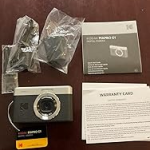
Inside, everything was packed pretty simply. You get the robot dog, a charging cable or batteries depending on the version, and a small manual. Nothing really stood out during unboxing. It felt more like opening a standard toy than anything high-tech or advanced.
The build quality was the next thing I paid attention to. The material felt mostly plastic, and while it wasn’t extremely cheap, it didn’t feel durable or high-end either. The joints and moving parts looked a bit basic, especially compared to how smooth and polished everything looked in the ads.
When I turned it on for the first time, it started moving almost immediately. It walked a bit, made some sounds, and reacted when I touched it. At first, it was actually pretty fun to watch. I could already tell my nephew would be excited seeing it for the first time.
But after using it for a while, the limitations started to show.
The movements repeat. The sounds repeat. The reactions repeat.
It doesn’t really evolve or change behavior. After a few minutes, you can pretty much predict what it’s going to do next.
Another thing I noticed is that the movement isn’t as smooth as it looks in the ads. It’s slightly jerky, and sometimes the reactions feel delayed or a bit off.
Overall, the first impression is decent, especially for a kid. But once you spend more time with it, it becomes clear that it’s more of a simple interactive toy than anything close to a realistic robotic pet.
What Other Users Are Saying
Looking at other experiences, I saw a very consistent pattern.
Some people say:
- It’s cute and entertaining at first
- Kids enjoy it for a short time
- It’s easy to use
But many others point out:
- It doesn’t match the ads
- It feels cheaper than expected
- It behaves like a simple toy
That gap between expectation and reality is a common theme.
Why Wuffy Looks So Real in Ads (But Isn’t)
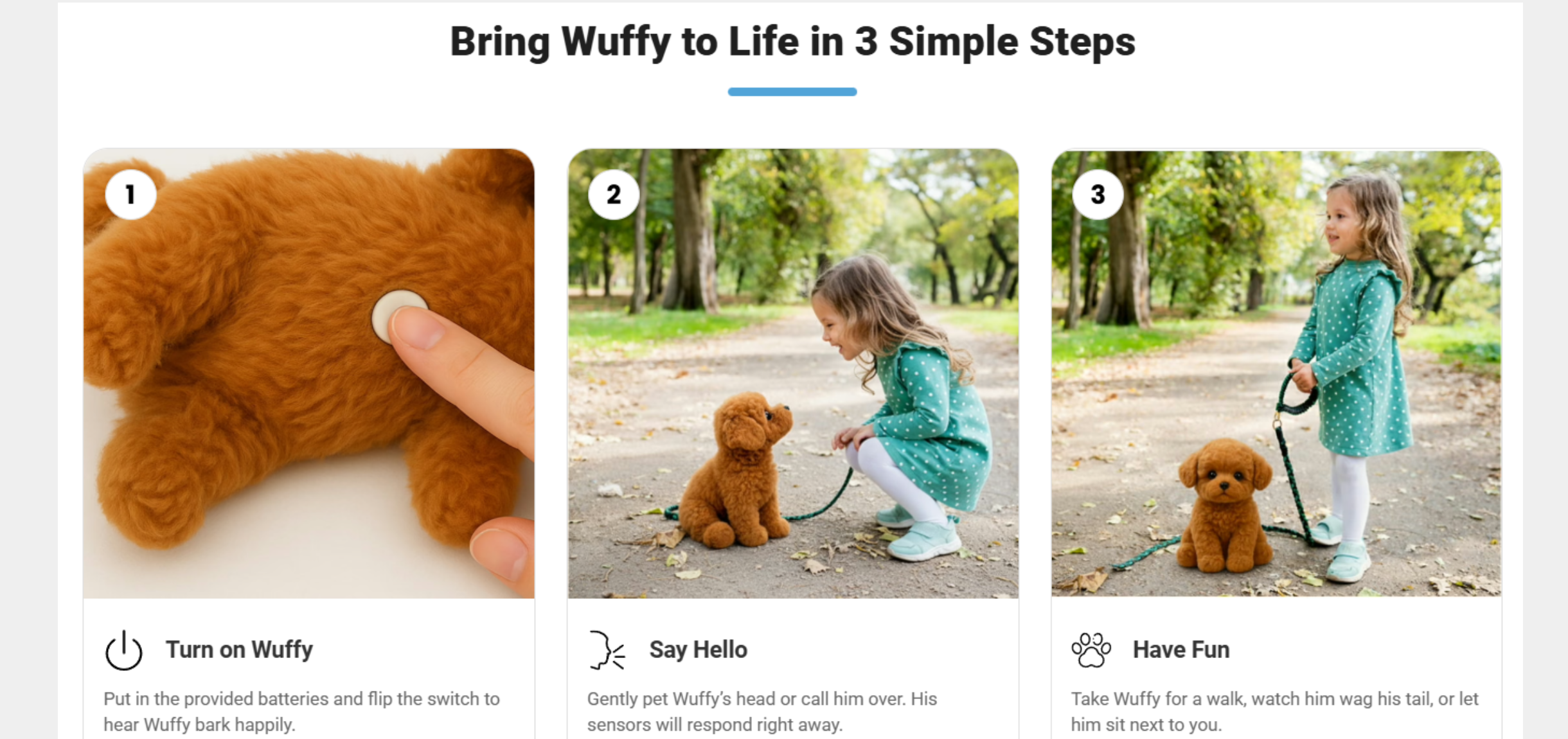
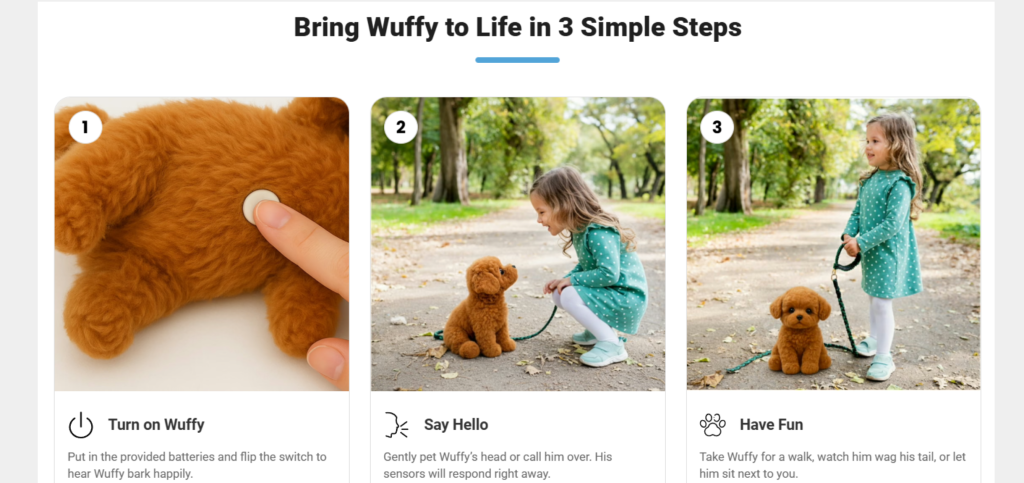
This is probably the most important part. The ads make Wuffy look incredibly realistic, with smooth movements and lifelike behavior. But in reality, what you get is much simpler.
A lot of these ads:
- Use highly edited footage
- Show different or higher-end robotic dogs
- Focus on angles that make movement look smoother than it is
So when you finally use it, the difference is very noticeable. It’s not that the product doesn’t work, it’s that it’s not the same level of product shown in the ads.
One thing I noticed while researching this is that Wuffy uses the exact same images and videos as other products like the Digital Doggo. That was a big red flag for me because it usually means these aren’t unique products at all. They’re the same generic robot dog being sold under different names. Once you realize that, it explains why the ads feel so polished compared to what you actually get.
Pros and Cons
Pros:
Easy to use right away
No setup or apps required
Fun for short-term use
Lightweight and simple
Cons:
Not truly AI-powered
Very repetitive behavior
Feels like a basic toy
Marketing is misleading
Quality may not match expectations
Is Wuffy Robot Dog Legit or a Scam?
This is where you need to be careful. The Wuffy Robot Dog is not completely fake. It exists and functions as a toy. But the way it’s marketed is very misleading. The biggest issue is the “AI robot dog” claim. It gives the impression that the product can learn and behave like a real pet, which it simply doesn’t do. There are also common concerns people bring up:
- Product not matching what was shown in ads
- Lower build quality than expected
- Delivery delays depending on the seller
This reminded me a lot of what I saw in my Digital Doggo review, where the product technically works, but the marketing creates expectations it can’t meet.
Alternatives to Wuffy Robot Dog
After using it, it became clear that there are many similar products out there.
You’ll find:
- Basic sensor-based robot dogs (very similar experience)
- App-controlled robotic pets with slightly more features
- Higher-end robotic companions that actually feel more advanced
If you’ve read through my LuxBlaze Lighter review, you’ll notice this is a repeating pattern. Many of these products use the same idea but are packaged and marketed differently.
Is It Worth Buying?
For me, it comes down to expectations.
If you’re buying it as:
- A simple toy
- A gift for a child
- A short-term novelty
It can be fine.
But if you’re expecting:
- A realistic robotic pet
- AI-level interaction
- Something that feels truly lifelike
It’s probably going to disappoint you.
Who Should Buy It and Who Should Skip It
Buy if you:
Want a simple interactive toy
Are buying for young kids
Don’t expect advanced features
Just want something fun and low effort
Skip if you:
Expect real AI or learning behavior
Want something realistic
Care about long-term quality
Are expecting what you saw in ads
Honest Take
After using it, the Wuffy Robot Dog feels like a basic toy wrapped in very strong marketing.
It works, but it doesn’t live up to the image created in ads. Once you get past the first impression, it becomes clear that it’s not as advanced or interactive as it’s made to seem.
FAQ
Is Wuffy Robot Dog really AI-powered?
No, it uses simple sensors and pre-programmed actions. It doesn’t learn or adapt.
Does it behave like a real dog?
Not really. It reacts in basic ways, but it doesn’t feel lifelike over time.
Is Wuffy worth the price?
Only if you treat it as a simple toy. It doesn’t match the advanced features shown in ads.
Why does it look different from the ads?
The ads are often edited or show idealized versions, which creates higher expectations than the real product delivers.
How to Shop Safely Online (Very Important)
After testing products like this, I’ve learned that how you buy matters just as much as what you buy.
First, always be careful with heavily advertised products that promise advanced features at a low price. That combination usually means expectations are being pushed higher than reality.
Second, check if the product is sold under different names. If you see the same item across multiple websites with different branding, it’s usually a generic product being resold.
Third, look for real user experiences outside the official website. That’s where you’ll see what people actually receive.
Fourth, check return policies carefully. If it’s unclear or difficult to find, that’s a red flag.
Finally, compare before buying. In many cases, like I’ve seen across other gadget reviews I’ve tested, there are similar alternatives that perform almost the same but are priced very differently.