Trinity Meds Review 2026: I Looked Into This Online Weight Loss Program to See If It’s Worth Considering

If you’ve spent any time researching weight loss treatments lately, you’ve probably seen Trinity Meds pop up. The company promises access to popular GLP-1 medications like semaglutide and tirzepatide without the hassle of traditional doctor visits. Everything happens online, and if you’re approved, your medication is shipped directly to your door. That sounds convenient. But convenience isn’t the same thing as value.
So I took a closer look at Trinity Meds, how the program works, what you’re actually paying for, and a few things I think potential customers should understand before signing up.
Quick Takeaways
- Trinity Meds is a telehealth company that connects eligible patients with GLP-1 weight loss treatments.
- The service focuses heavily on convenience and accessibility.
- The effectiveness of treatment depends largely on the medication prescribed, not the platform itself.
- Compounded medications require extra due diligence compared to FDA-approved branded drugs.
- Long-term costs deserve careful consideration since weight loss treatment is rarely a short-term commitment.
- The biggest question isn’t whether GLP-1 medications work, it’s whether Trinity Meds offers enough transparency and value for the price.
Table of Contents
- Quick Takeaways
- What Is Trinity Meds?
- First Things I Noticed
- How Trinity Meds Works
- Key Ingredients in Trinity Meds
- Red Flags
- Does Trinity Meds Really Work?
- Pricing
- Who Should Take It?
- Who Should Skip It?
- What Most Reviews Leave Out
- A Pattern I Keep Seeing
- What To Do If You Already Ordered
- Conclusion
- FAQ
What Is Trinity Meds?
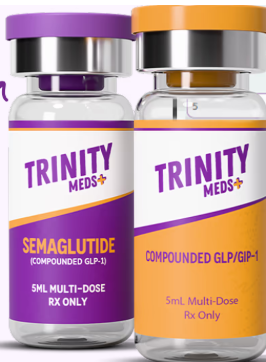
Trinity Meds is an online weight loss platform that connects customers with healthcare providers who can evaluate them for prescription weight management treatments. The company primarily promotes compounded semaglutide and compounded tirzepatide, two medications that have become increasingly popular because of their potential to help regulate appetite and support weight loss.
Instead of scheduling a traditional clinic appointment, customers complete an online evaluation, undergo medical review, and, if approved, receive medication through mail delivery.
First Things I Noticed
The first thing that stood out to me wasn’t the medication itself. It was how strongly Trinity Meds emphasizes convenience. Throughout the company’s marketing, you’ll find repeated mentions of online consultations, home delivery, no insurance requirements, and avoiding traditional office visits. I can understand the appeal. Many people don’t want the hassle of scheduling appointments, sitting in waiting rooms, or dealing with insurance paperwork. At the same time, whenever a telehealth company focuses heavily on convenience, I find myself asking a different question: What’s happening behind the scenes? Who is providing medical oversight? Where is the medication coming from? And how transparent is the company about those details? Those are the questions that matter just as much as the weight loss claims.
How Trinity Meds Works
The process is fairly straightforward. First, you complete an online health assessment. A licensed healthcare provider reviews your information to determine whether you may qualify for treatment. If approved, a prescription is issued and the medication is shipped directly to you. On paper, it’s a simple model that’s become increasingly common among telehealth weight loss companies. The convenience factor is obvious. The more important question is whether customers fully understand the treatment they’re receiving and the costs involved before committing.
Key Ingredients in Trinity Meds
When evaluating Trinity Meds, it’s important to remember that you’re not really paying for a miracle weight loss system. You’re paying for access to GLP-1 medications and the telehealth infrastructure that supports them.
Semaglutide
Semaglutide works by mimicking a hormone involved in appetite regulation and blood sugar control. Many users report feeling fuller for longer periods, which can naturally reduce calorie intake.
Tirzepatide
Tirzepatide targets multiple hormone pathways involved in hunger and glucose regulation. Clinical research involving FDA-approved tirzepatide medications has shown significant weight loss results in eligible patients. The important distinction here is that Trinity Meds primarily offers compounded versions of these medications rather than branded FDA-approved products. That doesn’t automatically make them ineffective, but it does mean consumers should pay close attention to sourcing, pharmacy standards, and medical oversight.
Red Flags
I didn’t find anything that immediately made me think Trinity Meds is a scam. However, there are a few areas that deserve scrutiny.
Limited Information About Medication Sourcing
Whenever compounded medications are involved, I want to know exactly where they’re being produced and what quality controls are in place. That’s one of the first things I’d verify before moving forward.
Long-Term Cost Commitment
Many people focus on the advertised monthly price without thinking about how long they may remain on treatment. Weight loss programs often become much more expensive when viewed over six months or a year.
Expectations Versus Reality
Some marketing around GLP-1 medications can make weight loss sound almost automatic. In reality, results vary considerably and often depend on diet, activity levels, adherence, and individual response.
Does Trinity Meds Really Work?
This is where I think many reviews miss the point. The real question isn’t whether Trinity Meds works. The better question is whether semaglutide and tirzepatide work for appropriate candidates. The scientific evidence behind GLP-1 medications is far stronger than what you typically see with over-the-counter weight loss supplements. Many patients experience meaningful weight loss when these medications are used under proper medical supervision. That said, Trinity Meds isn’t creating a unique weight loss breakthrough. The company’s role is providing access, evaluation, and prescription support. So if someone sees positive results, much of that success is likely tied to the medication itself and their overall lifestyle changes rather than the platform alone.
Pricing
Pricing can change over time, so I always recommend checking the latest details directly through the company’s website. What I pay attention to isn’t just the advertised starting cost.
I also look at:
- Monthly medication fees
- Consultation costs
- Subscription terms
- Renewal policies
- Cancellation requirements
- Additional service charges
A program that looks affordable upfront can become significantly more expensive over the course of a year.
Who Should Take It?
Trinity Meds may be worth exploring if:
- You’re interested in medically supervised weight loss.
- You prefer telehealth over traditional clinic visits.
- You want convenient home delivery.
- You’re comfortable using an online healthcare platform.
- You understand that weight loss treatment requires ongoing commitment.
Who Should Skip It?
This may not be the best fit if:
- You prefer in-person medical care.
- You want FDA-approved branded medications specifically.
- You’re looking for a quick fix rather than a long-term weight management strategy.
- You haven’t fully researched compounded medications.
- You’re uncomfortable with recurring treatment costs.
What Most Reviews Leave Out
One thing I keep noticing in reviews of telehealth weight loss programs is that they spend almost all their time talking about pounds lost. What they rarely discuss is sustainability. Many people focus on the first few months of treatment without considering what happens afterward. Can they afford the medication long term? Will they maintain lifestyle changes? Do they understand the potential side effects? Those questions often matter more than the initial weight loss results.
A Pattern I Keep Seeing
As I’ve reviewed more weight-loss products, I’ve noticed many make similar promises but differ in their ingredients, transparency, and overall value. If you’re still comparing options, you might also want to read my reviews of NeuroLabs Peptides, Harm Brain, and VisiFlora before making a decision.
What To Do If You Already Ordered
If you’ve already signed up for Trinity Meds, don’t panic. Instead:
- Carefully review your treatment plan.
- Confirm where your medication is being sourced.
- Follow your provider’s instructions closely.
- Track any side effects or concerns.
- Review billing terms and renewal policies.
- Contact support immediately if something seems unclear.
The more informed you are, the better your experience is likely to be.
Conclusion
After looking into Trinity Meds, I don’t see evidence suggesting it’s an outright scam or fraudulent operation. What I see is a telehealth company offering access to weight loss medications through a convenience-focused model. For some people, that convenience may be extremely valuable. For others, questions about compounded medications, pharmacy transparency, and long-term costs may justify taking a slower, more cautious approach.
If you’re considering Trinity Meds, I’d focus less on the marketing promises and more on understanding exactly what medication you’re receiving, where it’s coming from, and what your total treatment costs could look like over time.
FAQ
Is Trinity Meds legitimate?
Trinity Meds appears to operate as a telehealth weight loss provider offering access to prescription GLP-1 medications through online evaluations and medical review.
Does Trinity Meds offer semaglutide?
Yes. Trinity Meds promotes compounded semaglutide as one of its weight loss treatment options.
Does Trinity Meds offer tirzepatide?
Yes. The company also offers compounded tirzepatide through its program.
Is Trinity Meds covered by insurance?
The company markets its services as accessible without requiring insurance, though costs and coverage options may vary.
How much weight can you lose with Trinity Meds?
Results vary widely depending on the medication prescribed, lifestyle habits, dosage, and individual factors.
Are compounded GLP-1 medications FDA-approved?
Compounded medications are not the same as FDA-approved branded medications and do not undergo the same approval process.