
I’ll be upfront about where this one lands… I didn’t expect much from Fuel Sync going in, and after digging into how it’s marketed, sold, and reviewed by other people who actually tested it, I trust it less now than when I started.
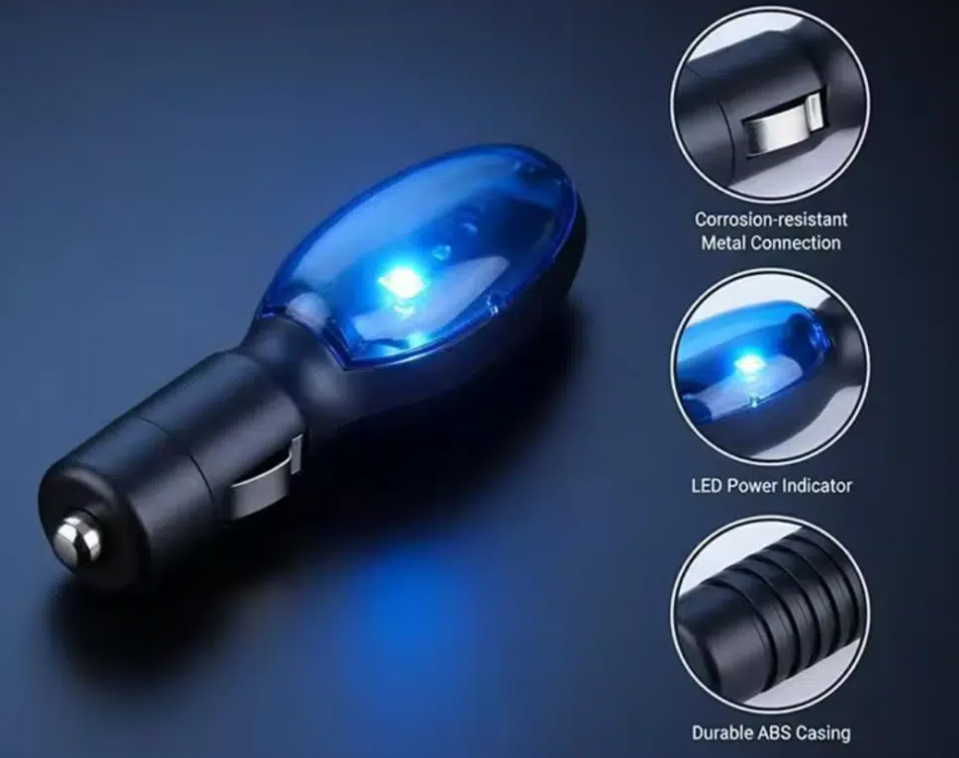
Table of Contents
- What Is Fuel Sync Gas Saver?
- What They Claim vs. What’s Actually Known
- Fuel Sync Complaints — What Buyers Are Saying
- Is Fuel Sync a Scam, or Just Overhyped?
- Same Scam, Different Name
- How to Spot One of These Before You Buy
- Frequently Asked Questions
- Conclusion
What Is Fuel Sync Gas Saver?
It’s a little gadget you plug into your car’s 12V outlet, the same spot you’d charge your phone. That’s it. No install, no mechanic, nothing. Plug it in and, according to the ads, your fuel bill just… goes down. It’s not the first of these. This exact pitch keeps coming back under a new name every year or so.
What They Claim vs. What’s Actually Known
The ads say 30–50% better fuel economy, plus smoother engine performance, all from “electromagnetic realignment” of your fuel system. Sounds science-y. Here’s the issue: your car’s computer already handles fuel delivery, ignition timing, air-to-fuel ratio — all of it, constantly, using its own sensors. A dongle in your cigarette lighter isn’t wired into any of that. It can’t read what the engine’s doing and it definitely can’t change how fuel gets metered. There’s just no path for it to do what the ad claims.
And it’s not only a “the claim seems off” situation. Someone actually tested it. One driver ran a version of this same device for over 60km and tracked fuel use the whole way. Zero difference.
Fuel Sync Complaints — What Buyers Are Saying
Two things keep coming up.
First: fake reviews. The testimonials in Fuel Sync’s ads look AI-generated — real quotes from people who don’t seem to exist. Some of the checkout pages even use a badge styled to look like Trustpilot. There’s no actual Trustpilot page behind it.
Second, and worse: the billing. People have reported getting signed up for a recurring $49.99/month charge they didn’t remember agreeing to. So a cheap little gadget turns into a subscription you have to notice and cancel.
Is Fuel Sync a Scam, or Just Overhyped?
I’d say scam, not just overhyped. Overhyped usually means the thing works a little, just not as much as promised. This doesn’t clear that bar. The science doesn’t hold up, the reviews backing it up don’t look real, and there’s a hidden monthly charge on top.
If it were just an overpriced gadget that barely did anything, fine, that happens. Fake testimonials plus a surprise subscription is a different category.
Same Scam, Different Name
Here’s the part that’s worth knowing even if you never touch Fuel Sync specifically: this isn’t really a “Fuel Sync problem.” It’s a template. The exact same pitch — plug-in dongle, vague “electromagnetic” language, huge percentage claims, no installation — shows up again and again under different branding once the last name gets too many complaints attached to it. If you’ve seen ads for something with a similar pitch but a different name, there’s a decent chance it’s running the same playbook, sometimes even the same physical device with a new sticker on it. That’s part of why these things are hard to kill off through reviews alone. The name changes faster than the reviews catch up.
How to Spot One of These Before You Buy
A few things hold true across basically every version of this scam:
- The explanation is vague on purpose. “Electromagnetic realignment,” “hidden inefficiency module,” “AI-optimized fuel flow” — none of these are real automotive engineering terms. They’re built to sound technical to someone who isn’t a mechanic.
- It plugs into something that has no access to your engine. A 12V socket or an OBD2 port reading data is one thing — a device physically rewriting how your engine burns fuel through that same port is another. Be suspicious of any claim that a passive plug-in device can actively change engine behavior.
- The reviews feel too enthusiastic and too uniform. Real customer reviews are messy — some people had shipping issues, some didn’t like the packaging, some just say “it’s fine.” A page full of glowing, similarly-worded five-star reviews is a signal, not proof of quality.
- There’s a badge that looks like Trustpilot, Google, or a news outlet, but doesn’t link anywhere. If you can’t click through to verify it, treat it as decoration, not evidence.
Frequently Asked Questions
Is Fuel Sync Gas Saver legit?
No. Based on how it’s marketed, the lack of any credible mechanism for how it could work, and reports of AI-generated testimonials and undisclosed subscription charges, it doesn’t hold up as a legitimate product.
Does Fuel Sync actually save gas?
There’s no credible evidence it does. A road test by another reviewer using a device from the same family found zero measurable change in fuel consumption over a 60km drive.
Why does Fuel Sync charge $49.99 a month?
Buyers have reported being enrolled in a recurring membership charge tied to checkout, separate from the upfront cost of the device itself. This kind of hidden subscription is a common tactic in this category of scam.
How do I get a refund for Fuel Sync?
Start by checking your card statement for the exact merchant name tied to the charge, then contact your bank or card issuer directly to report it as a misrepresented product and request a chargeback. Acting quickly improves your odds.
Is there a legitimate way to actually improve fuel economy?
Yes. Keeping tires properly inflated, staying current on basic maintenance, removing excess weight from your car, and driving less aggressively are all proven ways to use less fuel — no plug-in device required.
Conclusion
Skip Fuel Sync. The pitch depends on a scientific-sounding explanation that doesn’t hold up, the testimonials backing it up don’t look real, and there’s a subscription charge buried in checkout that most buyers never agreed to knowingly. None of that is a coincidence — it’s the same playbook this whole category of gadget runs on, just with a new name on the box.
If you already bought one and see a charge you don’t recognize, call your bank about a chargeback now, not later. And if better mileage is actually the goal, skip the dongle — tire pressure, regular maintenance, and easing off the gas pedal will get you further than any plug-in ever will.
Read Also >>> Nu Finish Car Polish Review: Is It Still Worth Buying in 2026?

[…] Also Read >>> The truth about Fuel Sync Gas Saver EXPOSED: Scam, Avoid! […]