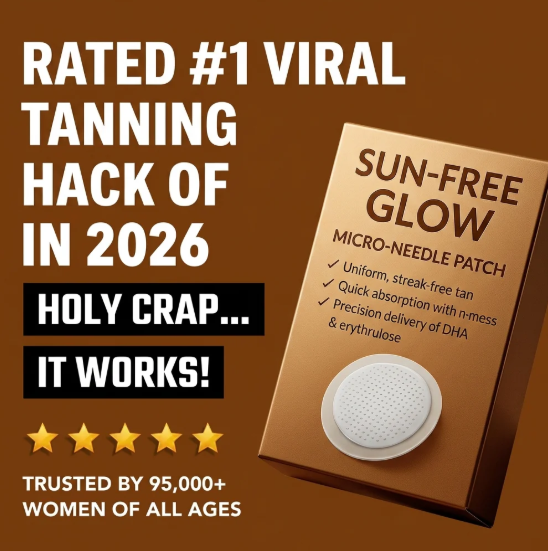

The Sun-Free Glow Patch is being marketed like a futuristic shortcut to getting a bronze tan without sunlight, tanning beds, lotions, or spray tans. The ads make it look almost effortless. Stick on a tiny patch, wait a few weeks, and supposedly develop a smooth “natural glow” through something called melanin activation technology.
It sounds convenient, which is exactly why the product has exploded across TikTok and Instagram lately.
But once I started looking into the science, the before-and-after photos, and the way these patches are actually being sold, the whole thing started feeling much more like a viral beauty funnel than a genuine skincare breakthrough.
In this review, we’ll break down what the Sun-Free Glow Patch actually is, how the tanning claims supposedly work, and why a lot of the marketing starts falling apart under closer inspection.
Quick Takeaway
- Sun-Free Glow Patch is marketed as a UV-free tanning patch that supposedly activates melanin and creates a natural bronze glow
- The ads rely heavily on scientific-sounding language like “transdermal tanning” and “micro-needle technology”
- There is no strong independent evidence showing these patches can produce dramatic tanning results as advertised
- Many promotional photos and testimonials online look overly polished or potentially AI-enhanced
- The product follows a familiar viral beauty marketing structure built around hype, urgency, and exaggerated transformation claims
Table of Contents
- Quick Takeaway
- What Is The Sun-Free Glow Patch?
- Does The Science Actually Hold Up?
- What Realistically Happens If You Use It?
- The Part That Feels Overhyped
- The Review Ecosystem Feels Strange Too
- The Convenience Factor Is Doing Most Of The Selling
- A Pattern I Keep Seeing
- Is The Sun-Free Glow Patch Worth Trying?
- Conclusion
- FAQ
What Is The Sun-Free Glow Patch?
The Sun-Free Glow Patch is usually sold as a microneedle or transdermal tanning patch designed to help users develop a tan without UV exposure.
Depending on the website, the patch is said to:
stimulate melanin,
enhance bronzing,
support glow activation,
or gradually darken skin tone over time.
Some versions claim the patch works through dissolving micro-needles that deliver active ingredients beneath the skin. Others market it more vaguely as “advanced tanning technology.” That’s part of what makes researching these products frustrating. The branding and explanations keep changing depending on which site is selling them.
Does The Science Actually Hold Up?
This is where things start getting shaky.
The marketing constantly talks about:
melanin activation,
transdermal tanning,
peptide delivery,
and advanced skin science.
The language sounds impressive, but there’s very little publicly available evidence showing these patches can reliably create the kind of dramatic tanning transformations shown in the ads. Some tanning ingredients used in self-tanners, like DHA or erythrulose, are real cosmetic tanning agents. But that’s very different from proving a tiny wearable patch can safely and predictably stimulate full-body tanning through melanin activation alone.
That distinction gets blurred heavily in the advertising.
What Realistically Happens If You Use It?
The most realistic outcome seems much less dramatic than the ads suggest. Some people online report subtle glow effects or mild skin tone changes over time. Others say they noticed absolutely nothing at all beyond wearing an expensive patch. That inconsistency is important because the marketing creates the impression of a reliable, visible transformation.
In reality, the results people describe tend to sound:
subtle,
uncertain,
or highly subjective.
And once you remove the influencer lighting, filters, and before-and-after editing, the “miracle tanning breakthrough” starts looking much less convincing.
The Part That Feels Overhyped
This was the biggest red flag for me. The entire product is marketed with an almost futuristic tone. The sales pages rely heavily on phrases like:
advanced transdermal tanning,
micro-needle delivery systems,
melanin stimulation,
and peptide activation technology.
But most of the actual proof shown comes from:
dramatic visuals,
carefully lit before-and-after photos,
scripted-looking testimonials,
and vague scientific explanations.
A lot of the promotional content also feels extremely similar across multiple websites selling nearly identical patches under different branding. That kind of setup is very common in drop-shipping style beauty funnels.
The Review Ecosystem Feels Strange Too
One thing that stood out while researching this was how repetitive many reviews and testimonials started sounding.
Across social media and landing pages, you keep seeing:
perfect bronze transformations,
generic first-name testimonials,
overly polished “user reaction” videos,
and reviews that read more like ad copy than real customer experiences.
Even Reddit discussions around tanning patches are heavily mixed. Some users call them gimmicks immediately, while others claim subtle results after weeks of use. That inconsistency makes the aggressive confidence in the ads feel even more questionable.
The Convenience Factor Is Doing Most Of The Selling
A huge part of the appeal here is emotional convenience.
A lot of people want:
a tan without UV damage,
without messy self-tanner,
without streaks,
without tanning beds,
and without complicated skincare routines.
The Sun-Free Glow Patch taps directly into that frustration and presents itself like a simple hidden shortcut. That emotional appeal is probably more powerful than the science itself.
A Pattern I Keep Seeing
The Sun-Free Glow Patch reminds me of the same formula I’ve already seen in viral wellness products like Jelly Fit Drops, SlimTides, Green Slim Drops, and other beauty-health hybrids built around trendy scientific language.
Usually the pattern stays the same:
find a strong emotional desire,
attach futuristic-sounding science,
use dramatic visuals,
then position the product like a hidden breakthrough everyone suddenly needs.
Once you start recognizing that structure, these viral beauty products become much easier to spot.
Is The Sun-Free Glow Patch Worth Trying?
The patch itself may physically exist, but the bigger issue is how aggressively the results are being marketed.
Right now, the product looks much more like an overhyped beauty trend built around social media virality and exaggerated tanning claims than a proven skincare innovation. That doesn’t automatically mean every user will hate it. But people expecting dramatic, reliable “sun-free tanning technology” should probably keep their expectations realistic.
Conclusion
The Sun-Free Glow Patch is being sold like a futuristic tanning breakthrough capable of creating a natural bronze glow without sunlight or self-tanner.
But after digging through the science claims, marketing tactics, and customer discussions, it feels much closer to a heavily hyped beauty gimmick riding on influencer marketing and transformation psychology than a genuine revolution in tanning technology.
FAQ
Does the Sun-Free Glow Patch actually work?
Some users report subtle glow effects, while many others say they noticed little or no visible difference.
Can a tanning patch activate melanin?
There is currently very limited independent evidence proving these patches can reliably stimulate dramatic melanin-related tanning effects.
Are the before-and-after photos real?
Some promotional images appear heavily edited, filtered, or exaggerated according to reviewers and online discussions.
Is the Sun-Free Glow Patch a scam?
The product may physically exist, but the marketing surrounding it raises significant concerns about exaggerated claims and unrealistic expectations.
Are tanning patches safer than tanning beds?
Avoiding UV exposure is generally safer than tanning beds, but consumers should still be cautious about products making major biological tanning claims without strong evidence.