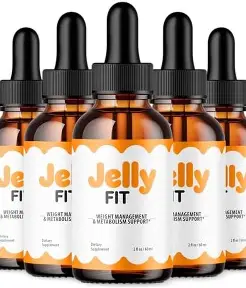

Every so often, a weight loss trend shows up online that doesn’t even try to look like a normal supplement ad. It comes in through long videos, emotional storytelling, and a “secret discovery” angle that feels more like a documentary than a product page. Jelly Fit Drops fits that pattern almost perfectly, especially with the viral “Dr. Gupta gelatin recipe” being pushed as some hidden fat loss trick.
In this review, we’ll break down what Jelly Fit Drops actually is, how the Dr. Gupta gelatin angle is being used, and why the whole setup raises serious credibility questions.
Quick Takeaway
- Jelly Fit Drops is marketed through viral “gelatin recipe” weight loss funnels
- Ads rely heavily on fake doctor-style authority and emotional storytelling
- Claims compare the gelatin trick to GLP-1 drugs like semaglutide without real evidence
- No verified link exists between Dr. Sanjay Gupta and these weight loss claims
- The entire structure matches common supplement scam funnel patterns
What Jelly Fit Drops Is and What It Claims To Do
Jelly Fit Drops are sold online as liquid weight loss drops connected to a so-called “bariatric gelatin recipe” that supposedly helps trigger fast fat loss. The marketing pushes ideas like appetite control, rapid metabolism shifts, and effortless weight reduction without diet or exercise.
The hook is always the same. First comes the story about a simple kitchen gelatin trick that supposedly changes everything. Then Jelly Fit Drops appears as the product behind it.
That framing is intentional because it pulls attention away from the supplement itself and locks it into a “hidden discovery” narrative.
Ingredient Breakdown and the Gelatin Angle
Gelatin is not new. It’s a basic protein derived from collagen and can sometimes help with fullness when included in meals. That’s where the real science ends.
The ads take that simple idea and stretch it into claims about fat burning, metabolic activation, and GLP-1-like effects similar to prescription drugs like semaglutide.
There is no solid evidence that a gelatin recipe, or any liquid drop supplement built around it, produces dramatic weight loss results on its own. The jump from “feeling full” to “melting fat” is where the marketing starts breaking apart.
The Marketing Angle
The way Jelly Fit Drops is promoted feels more like a scripted funnel than a health product launch. It usually starts with emotional weight loss frustration, then shifts into a “hidden truth” narrative involving a doctor figure revealing something the public supposedly never heard about. After that, the gelatin trick is introduced as the breakthrough, and only then does Jelly Fit Drops enter the picture.
That structure is doing most of the work here. The product itself comes in late, after trust and curiosity have already been built.
Fake Doctor and Celebrity Authority Claims
A major red flag is the repeated use of Dr. Sanjay Gupta’s name in connection with the gelatin recipe claims. There is no verified evidence that he created, endorsed, or promoted Jelly Fit Drops or any weight loss gelatin protocol linked to this campaign.
The same pattern shows up with other celebrity-style endorsements in similar ads. AI-generated voices, edited interviews, and manipulated clips are often used to make it feel like well-known figures are involved.
That kind of borrowed authority is one of the biggest signals these funnels rely on.
The “Clinically Backed” Illusion
The marketing often borrows medical language around GLP-1 hormones, metabolism reset, appetite suppression, and bariatric science.
It sounds scientific on the surface, but there are no transparent clinical trials showing Jelly Fit Drops delivers anything close to prescription weight loss medications like semaglutide or Ozempic.
Instead, it blends real medical terms with exaggerated outcomes, which creates the illusion of credibility without the evidence behind it.
Domain Setup and Transparency
Jelly Fit Drops does not appear to be tied to one stable, verifiable brand domain with a consistent public ownership history. Instead, it shows up across multiple rotating landing pages and funnel-based websites connected to advertising campaigns.
The exact domain creation date cannot be reliably verified from publicly available records, as there is no single authoritative brand domain consistently associated with the product. In most cases like this, the same offer is distributed through multiple domains that change depending on the marketing campaign or affiliate traffic source.
That kind of setup makes it difficult to trace long-term ownership or establish a transparent company history behind the product.
Emotional Selling Tactics
The emotional angle is very strong here. The ads focus on frustration with stubborn fat, failed diets, and the feeling of not being able to lose weight despite trying multiple methods.
Then the gelatin “secret” is introduced as the missing piece that changes everything. That emotional setup is what makes people stay through long videos and engage with the product narrative before they even realize a supplement is being sold.
Urgency and Funnel Tactics
Like many viral health funnels, Jelly Fit Drops uses countdown timers, limited availability messaging, and discount pressure to push faster decisions.
These tactics are not about informing buyers. They are designed to reduce hesitation and limit time for outside research.
Real User Experience Pattern
The real-world feedback pattern around products like this is usually very different from the marketing. Instead of dramatic fat loss, most experiences tend to revolve around disappointment with exaggerated claims, confusion about endorsements, or mild effects that don’t match expectations.
Plain gelatin itself may increase fullness slightly when used as part of a controlled diet, but that is nowhere near the rapid transformation shown in the ads.
A Pattern I Keep Seeing
Jelly Fit Drops follows the same funnel structure seen in SlimTides, Brain Honey, Tivoras, GlicoDex, Sonvyra Fat Burning Shorts, and similar viral supplement campaigns.
Same system underneath every time. Emotional frustration, hidden discovery, authority figure, simplified biological explanation, then the supplement positioned as the solution. Once you’ve seen enough of these, the pattern becomes almost predictable.
Is Jelly Fit Drops Legit or a Scam?
Jelly Fit Drops appears to be a real product being sold online, but the marketing structure around it raises serious concerns.
The fake doctor framing, celebrity association claims, and exaggerated weight loss promises place it firmly in a high-risk supplement marketing category.
Conclusion
Jelly Fit Drops is being pushed like a hidden weight loss breakthrough tied to a secret gelatin recipe and medical authority.
But once the storytelling layer is removed, what remains looks much closer to a standard supplement funnel built around viral weight loss hype and borrowed credibility.
FAQ
Is Dr. Sanjay Gupta actually linked to Jelly Fit Drops?
No verified evidence shows any connection between Dr. Sanjay Gupta and Jelly Fit Drops or the gelatin weight loss claims.
Does the gelatin recipe really cause weight loss?
There is no strong clinical evidence that gelatin recipes lead to rapid or significant fat loss.
Are Jelly Fit Drops like semaglutide or Ozempic?
No. There is no evidence they work like GLP-1 prescription medications.
Why do these ads use doctor names?
They use recognizable authority figures to build trust quickly and increase conversion rates.
Is Jelly Fit Drops legit?
The product may exist, but the marketing claims are heavily exaggerated and rely on misleading storytelling structures.