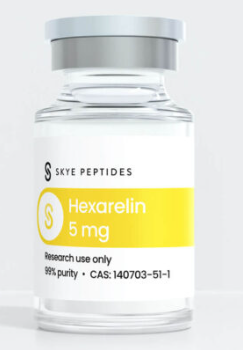

Peptide websites all tend to look surprisingly similar. You land on the homepage and immediately see references to purity, research compounds, laboratory testing, and scientific terminology that makes everything feel highly technical. Skye Peptides follows that same formula.
The site presents itself as a research peptide supplier offering a range of compounds commonly discussed in biohacking, fitness, recovery, longevity, and metabolic-health circles. At first glance, it looks professional. The branding is clean, the product pages are organized, and there’s plenty of language centered around quality and testing.
But peptide companies are one of those businesses where appearances only tell part of the story. The deeper question isn’t whether a website looks credible. It’s how much of what you’re being told can actually be verified.
In this review, we’ll look at what Skye Peptides offers, how the research-peptide model works, and some of the things worth paying attention to before placing an order with any peptide supplier.
Quick Takeaways
- Skye Peptides operates as a research peptide supplier
- Products are marketed for research use rather than direct medical use
- The peptide industry remains heavily dependent on trust and transparency
- Testing, sourcing, and quality-control claims can be difficult for buyers to independently verify
- Professional branding does not automatically equal product quality
- The biggest risks often come from the peptide industry itself rather than one specific vendor
Table of Contents
- Quick Takeaways
- What Is Skye Peptides?
- Why Peptide Vendors Are Different From Supplement Companies
- The “Research Grade” Conversation
- Why People End Up Looking At Sites Like Skye Peptides
- Why Reviews Often Seem Split
- The Bigger Issue Isn’t Just Skye Peptides
- A Pattern I Keep Seeing
- Is Skye Peptides Legit or a Scam?
- Final Thought
- Frequently Asked Questions
What Is Skye Peptides?
Skye Peptides sells peptides that are marketed as research compounds. If you’ve spent any time in peptide communities, you’ve probably seen similar sites before. The products are typically presented for laboratory research purposes and are accompanied by disclaimers that avoid direct consumer-use claims. This creates an unusual situation.
Many of the compounds sold by peptide vendors are widely discussed online in relation to recovery, body composition, longevity, performance optimization, and metabolic health. Yet the products themselves are sold under a research-use framework.
That disconnect is one of the reasons peptide companies generate so much debate. The products attract a lot of attention, but the industry structure creates a layer of uncertainty that doesn’t exist with traditional supplements.
Why Peptide Vendors Are Different From Supplement Companies
When most people buy a vitamin or supplement, they generally understand what they’re purchasing. Peptides are different. The average buyer often ends up evaluating things that are difficult to verify on their own.
Questions start appearing quickly:
Where are the peptides sourced?
Who performs the testing?
How often is testing performed?
Are the certificates current?
How much quality control exists behind the scenes?
These aren’t always easy questions to answer from a product page alone. That’s why trust plays such a huge role in the peptide world. A company can look extremely professional online while leaving buyers with very little direct visibility into what happens before a product arrives at their door.
The “Research Grade” Conversation
One phrase that appears constantly throughout the peptide industry is “research grade.” It sounds reassuring because it suggests a high standard. The problem is that many buyers assume the phrase means more than it actually does. Research-grade language has become part of the industry’s vocabulary. You’ll see it on countless peptide websites because it immediately creates an impression of quality and scientific credibility.
That doesn’t automatically make the claim inaccurate. It simply means consumers should understand that marketing language and independent verification are not the same thing. When evaluating peptide suppliers, it’s usually more useful to focus on transparency, documentation, testing practices, and company consistency than on buzzwords alone.
Why People End Up Looking At Sites Like Skye Peptides
Most people don’t accidentally discover peptide vendors. They’ve usually already gone down a rabbit hole. Maybe they’ve been reading biohacking forums. Maybe they’ve been researching GLP-1-related compounds. Maybe they’ve been watching discussions around recovery peptides, longevity trends, or performance optimization.
By the time someone reaches a site like Skye Peptides, they’re often trying to answer a simple question:
“Can I trust this company?” That’s really what most of these purchasing decisions come down to.
Not whether the website looks scientific.
Not whether the branding feels professional.
Whether the company has earned enough confidence for someone to place an order.
Why Reviews Often Seem Split
One thing I noticed while looking through the broader peptide space is how mixed user experiences can be. Some customers report smooth transactions, fast shipping, and positive experiences.
Others focus on communication issues, questions about documentation, or concerns that are difficult for outsiders to independently verify. Part of the reason for this divide is that peptide buyers are often evaluating things that are largely invisible. Two people can order from the same supplier and come away with completely different impressions based on expectations, communication, and confidence in the company’s transparency.
The Bigger Issue Isn’t Just Skye Peptides
What stood out during my research wasn’t necessarily something unique to Skye Peptides. It’s the peptide industry itself. Interest in peptides has grown incredibly fast over the last few years. Demand has exploded, new vendors have appeared, and consumers have more options than ever before. The challenge is that standardization hasn’t always kept pace with that growth. As a result, buyers are often left sorting through competing purity claims, testing claims, and quality claims while trying to determine which companies deserve their trust.
That’s not a Skye Peptides problem. That’s a peptide-market problem.
A Pattern I Keep Seeing
Skye Peptides reminds me of other peptide suppliers I’ve looked at, including Coffee and Peppers Peptides. The formula is usually similar. Scientific language, purity claims, lab-focused branding, and a heavy emphasis on credibility.
The challenge is that the average customer still ends up facing the same question: how much of what’s being presented can they realistically verify for themselves? That’s where trust tends to matter more than marketing.
Is Skye Peptides Legit or a Scam?
Based on what I found, Skye Peptides appears to operate like many other research peptide suppliers currently active online. I didn’t come across anything that immediately suggests it’s simply a fake website.
At the same time, peptide companies exist in a market where buyers often have limited visibility into sourcing, manufacturing, and quality-control processes. That’s why evaluating transparency is often more important than evaluating branding.
Final Thought
Skye Peptides is a good example of how difficult the peptide market can be to navigate. The website looks professional. The products are presented in a scientific way. The messaging focuses heavily on quality and research. But once you get beyond the marketing, you’re still left with the same challenge that exists across much of the peptide industry: deciding how much trust you’re willing to place in information that isn’t always easy to independently verify. For most buyers, that’s the real question worth answering before anything else.
Frequently Asked Questions
Is Skye Peptides legit?
Skye Peptides appears to be a real research peptide vendor. The bigger question is whether buyers are comfortable with the company’s level of transparency and testing information.
What does “research use only” mean?
It means the products are marketed for laboratory research purposes and not as approved products for human consumption.
Are Skye Peptides products FDA approved?
No. Research peptides sold by vendors like Skye Peptides are generally not FDA-approved consumer products.
Why do people buy peptides online?
Most buyers are interested in peptides discussed in fitness, biohacking, recovery, longevity, or metabolic-health communities.
Is buying peptides online risky?
It can be. Buyers often have limited ability to independently verify sourcing, manufacturing, and purity claims.
Is Skye Peptides a scam?
I didn’t find evidence suggesting it’s a fake website, but as with any peptide vendor, careful research is important before ordering.