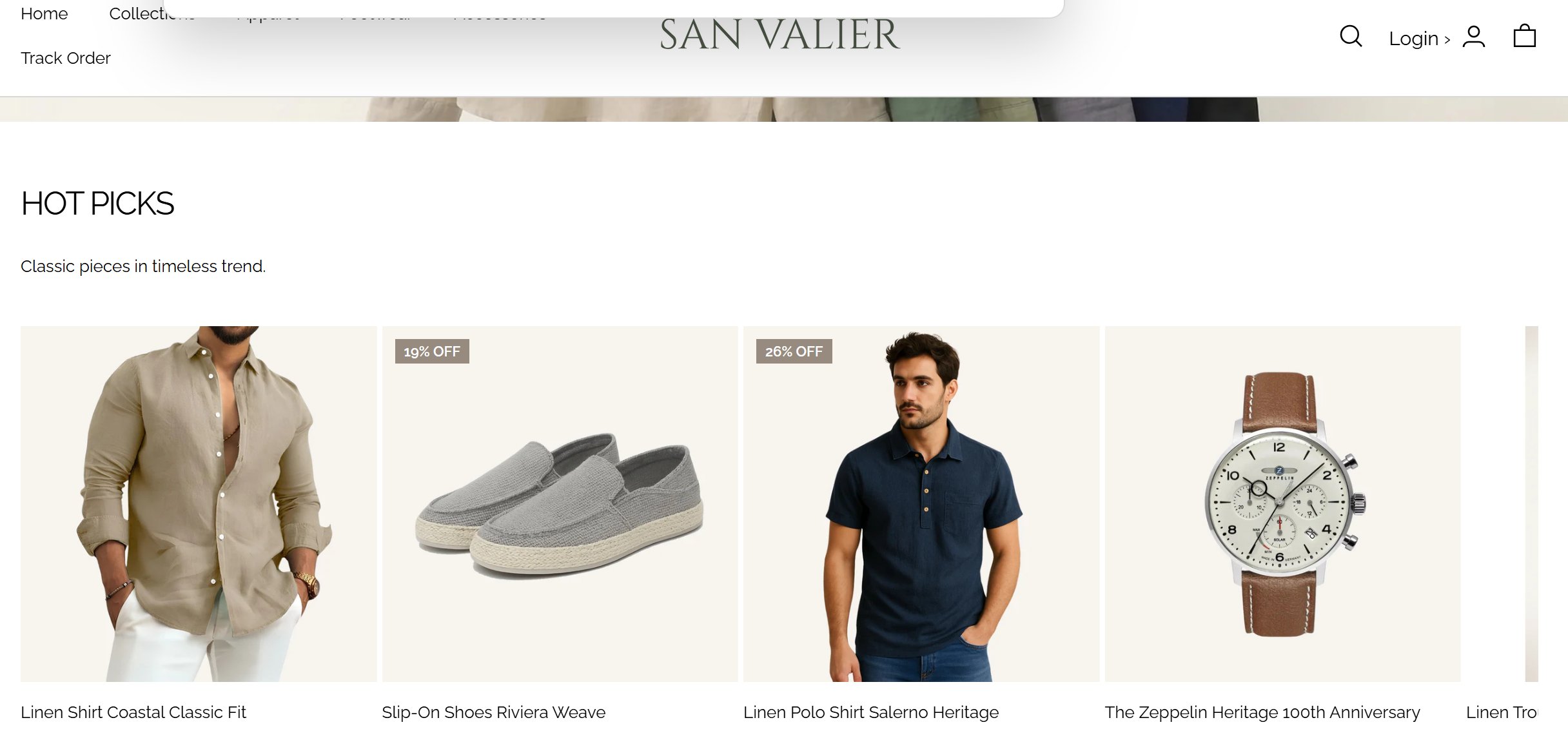

Have you come across SanValier.com while looking for old-money style menswear and wondered whether it’s actually a luxury brand or just another fashion store with polished marketing?
The website looks premium. The branding is clean. The clothing is styled around wealth, sophistication, and timeless fashion. But once I looked beyond the marketing, a few things started raising questions.
In this review, we’ll break down what stood out and whether San Valier looks like a store worth trusting.
Quick Takeaways
- Sells men’s clothing, footwear, and accessories
- Domain was created in February 2026 and expires in February 2027
- Markets itself around the “old money” lifestyle and luxury menswear
- Promotes 40% – 90% discounts and seasonal winter sales
- Very limited independent customer history due to the site’s age
- Early customer feedback includes scam accusations and quality complaints
- Overall risk lean: moderate to high caution

Table of Contents
- Quick Takeaways
- What Is San Valier Selling?
- Red Flags
- What You Ordered vs What You Got
- How The Scam Usually Works
- Why The Story Keeps Changing
- A Pattern I Keep Seeing
- What To Do If You’ve Ordered
- Is San Valier Legit or a Scam?
- Conclusion
- FAQ
What Is San Valier Selling?
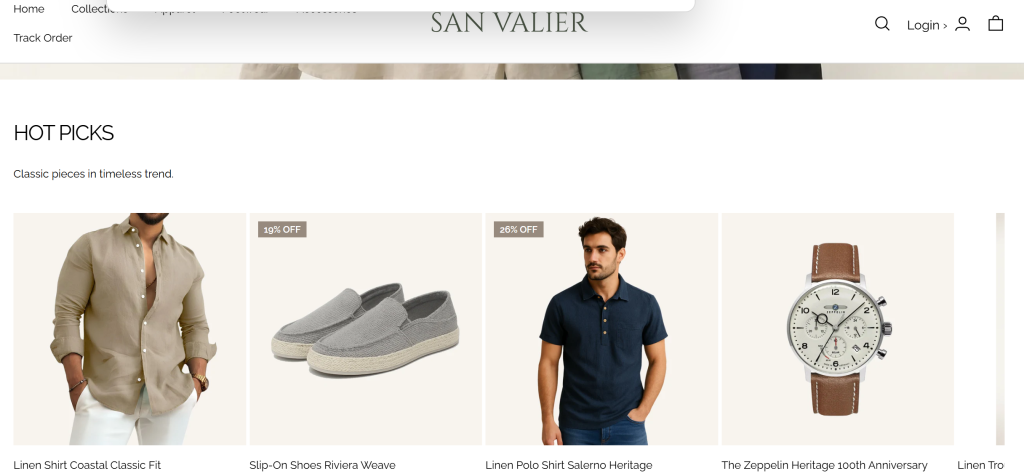
San Valier is built around the old-money aesthetic. The site focuses on menswear that looks inspired by European luxury fashion, including loafers, jackets, knitwear, polos, trousers, and accessories. Everything is presented as timeless, refined, and sophisticated. The messaging revolves around identity, status, and personal style rather than simply selling clothing.
The branding is probably the strongest part of the website. It knows exactly who it’s targeting. Someone looking for Ralph Lauren-inspired outfits, quiet luxury styling, and classic menswear will likely find the catalog appealing.
What caught my attention, though, is how new the business actually is compared to how established the brand tries to appear.
Red Flags
Weak Domain History
SanValier.com was registered in February 2026 and is currently set to expire in February 2027. That’s an extremely young domain.
A new domain doesn’t automatically mean a store is risky, but it does mean there hasn’t been much time for a reputation to develop. When a brand presents itself as a refined luxury menswear label, I expect to find more history, more customer discussion, and a larger independent footprint.
At the moment, that footprint is very limited.
Customer Experience Reports
One of the biggest challenges when researching San Valier is the lack of independent reviews. There is currently only a very small number of reviews available publicly. On Trustpilot, one reviewer described the company as a scam after receiving a jacket they considered poor quality and claimed the website used a logo that resembled Trustpilot branding in a misleading way.
A single review doesn’t prove anything by itself. The problem is that there aren’t enough genuine customer experiences available yet to balance it out.
The Review Numbers Feel Hard To Verify
Many product pages display claims such as “3,795 reviews” and ratings around 4.9 out of 5. Normally, that wouldn’t be unusual.
But for a domain registered in February 2026, those numbers immediately made me pause. A brand that young showing thousands of reviews across products naturally raises questions about where those reviews originated and whether they reflect verified purchases from this specific store.
Winter Sale and 40% – 90% Discounts
San Valier heavily promotes discounted pricing. Again, sales aren’t unusual in fashion. The issue is that discounts work best when shoppers have a clear understanding of the original value being discounted.
When a very new store launches with substantial discounts while simultaneously positioning itself as a luxury brand, it becomes harder to determine what the products are normally worth.
What You Ordered vs What You Got
This is still the biggest unknown. The product photos look polished and premium. The clothing is styled exceptionally well, and the overall presentation creates the impression of a much larger brand.
The challenge is that there isn’t enough independent customer feedback yet to confidently verify whether the actual products consistently match that presentation. That’s where uncertainty remains.
How The Scam Usually Works
The Brand Sells A Lifestyle
San Valier isn’t really selling shirts and loafers. It’s selling the idea of becoming the man shown in the photos.
The old-money branding is designed to communicate sophistication, confidence, and status. That’s a powerful emotional appeal because people aren’t just buying clothes. They’re buying the image attached to them.
Supplier-Based Fulfillment Questions
The site doesn’t provide much public information about manufacturing, sourcing, or production. That doesn’t mean anything improper is happening, but it does make it difficult to determine whether San Valier is a genuine fashion label or a retailer sourcing products from external suppliers.
Shipping and Return Unknowns
The website advertises returns and customer support, but with such limited independent customer feedback, it’s difficult to evaluate how those policies work in practice.
Why The Story Keeps Changing
The website tells a story about heritage, timeless style, and old-money elegance. The reality is that the business itself is only months old.
There’s nothing wrong with a new brand entering the market. The disconnect comes from the contrast between the established image being presented and the very limited operating history that currently exists.
A Pattern I Keep Seeing
San Valier reminds me of stores like Marlow & Quinn, Lozenda Fashion, Lenn Holland, and Sage Vell.
Different aesthetics, different audiences, but a similar pattern: strong branding, professional photography, a relatively new domain, and a public reputation that hasn’t yet caught up with the image being presented.
That doesn’t make them scams. It simply means shoppers are being asked to trust the storefront before a long track record exists.
What To Do If You’ve Ordered
- Save your order confirmation and payment receipt
- Screenshot product photos and descriptions
- Keep all shipping and support emails
- Monitor tracking updates closely
- Use your payment provider’s dispute process if significant issues arise
Is San Valier Legit or a Scam?
I don’t see enough evidence to call San Valier an outright scam. The website is professionally built, provides customer support information, and appears to operate like a functioning ecommerce store.
What gives me pause is the combination of an extremely young domain, very limited independent customer history, aggressive review counts displayed on product pages, and the lack of a proven track record.
For me, San Valier falls into the caution category. Not because there’s overwhelming evidence of wrongdoing, but because there simply isn’t enough evidence yet to fully trust the brand.
Conclusion
San Valier has done an excellent job building the image of an established luxury menswear brand. The question isn’t whether the marketing looks good.
The question is whether the business behind that image can build the reputation needed to support it. Right now, there’s still too little history to answer that confidently.
FAQ
Is San Valier legit?
The website appears operational, but the domain is very new and independent customer feedback is still limited.
When was SanValier.com created?
The domain was registered in February 2026.
What does San Valier sell?
Men’s clothing, footwear, and accessories inspired by the old-money fashion aesthetic.
Why are shoppers questioning San Valier?
The site’s young age, limited customer history, and unusually high review counts displayed on products have raised questions among some shoppers.
Does San Valier have customer reviews?
Very few independent reviews currently exist, making it difficult to evaluate long-term customer satisfaction.