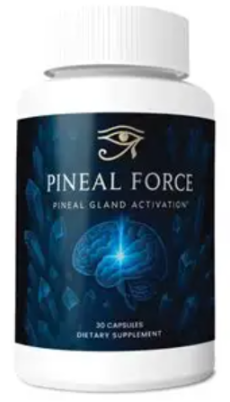

Have you come across Pineal Force and wondered whether it can actually “activate your pineal gland,” boost brain power, and unlock deeper mental clarity?
The name alone is doing a lot of heavy lifting here. Anything that talks about the “third eye,” pineal activation, or hidden brain potential tends to raise both curiosity and skepticism at the same time.
In this review, we’ll break down what Pineal Force claims to do, what’s inside it, what the science actually supports, and whether it looks like a real cognitive supplement or another over-marketed “pineal detox” product.
Quick Takeaways
- Marketed as a “pineal gland / third eye” activation supplement
- Also positioned as a brain health and cognitive support formula
- Uses common nootropic herbs like lion’s mane, turmeric, and haritaki
- No clinical trials on Pineal Force itself were identified
- Overall impression: ingredient list is familiar and reasonable, but “pineal activation” claims are not scientifically supported
What Is Pineal Force?
Pineal Force is a dietary supplement marketed for:
- Mental clarity
- Memory support
- Focus and cognitive performance
- “Pineal gland activation” and third-eye enhancement
It is sold in capsule form and typically positioned as a daily brain and wellness support supplement. The branding strongly leans into spiritual and neurological language at the same time, which is part of why it stands out in the supplement space.
First Things I Noticed
The first thing that stands out is how the marketing blends science-style wording with spiritual concepts. You’ll often see claims like:
- “Awaken hidden brain potential”
- “Unlock clarity and intuition”
- “Pineal gland support / third eye activation”
- “Detox mental blockages”
At the same time, the formula is presented like a standard nootropic blend. That mix usually signals one thing: a product trying to appeal to both wellness buyers and spiritual curiosity buyers. Another thing worth noting is that most of the supporting content focuses on general ingredient benefits, not clinical studies on the actual product itself.
How Pineal Force Is Supposed To Work
According to marketing explanations, Pineal Force works like this:
- Plant-based compounds support brain and nervous system function
- Antioxidants reduce oxidative stress
- Herbs support memory, focus, and cognitive clarity
- The body becomes more balanced neurologically
- “Pineal gland function” is enhanced over time
The cognitive-support part is reasonable in general wellness terms. The “pineal activation” part is where things move away from established science and into speculation.
Key Ingredients in Pineal Force
Lion’s Mane Mushroom
Lion’s mane is one of the better-known nootropic mushrooms. It is studied for potential support of nerve growth factor (NGF) and cognitive health.
Turmeric
Turmeric contains curcumin, widely studied for its antioxidant and anti-inflammatory properties. It’s often included in wellness supplements for general brain and body support.
Haritaki
Haritaki is used in traditional Ayurvedic medicine for digestion and general wellness. Evidence for cognitive effects in humans is limited.
Tamarind Extract
Tamarind is primarily known for digestive and antioxidant properties rather than direct brain effects.
Boro Extract
Often marketed for mineral support, but not strongly tied to cognitive enhancement in clinical literature.
What Does The Science Actually Say?
This is where we need to separate two very different ideas. There is some scientific support for ingredients like:
- Lion’s mane (cognitive support potential)
- Turmeric (anti-inflammatory and antioxidant activity)
- General plant-based antioxidants (cellular stress support)
However:
- There are no clinical trials on Pineal Force as a finished product
- No credible evidence shows supplements can “activate” the pineal gland in a meaningful way
- The pineal gland’s known primary role is melatonin production and sleep regulation
- Claims around “third eye awakening” fall outside established medical science
In short: cognitive support is plausible; pineal “activation” is not scientifically demonstrated.
What Realistically Can Someone Expect?
A realistic user might notice:
- Slight improvement in focus or mental clarity
- Mild reduction in mental fatigue
- General wellness or mood stability from herbal ingredients
- Subtle effects that build slowly over time
What I would not expect:
- “Third eye activation” or spiritual awakening effects
- Dramatic memory transformation
- Instant cognitive enhancement
- Strong, consistent results across all users
Most nootropic supplements in this category tend to produce subtle and variable effects rather than noticeable mental upgrades.
Biggest Concerns
A few clear concerns stand out:
- No clinical trials on the finished product
- Heavy reliance on spiritual/marketing language
- “Pineal gland activation” claims are not scientifically supported
- Ingredient transparency varies depending on the version being sold
- Benefits may be overstated compared to actual nootropic evidence
The biggest issue is expectation framing science-based ingredients wrapped in non-scientific claims.
A Pattern I Keep Seeing
Pineal Force fits the same pattern as products like GL-Defend, Core GLP, and Neuaura BloatBurn. Different niche, same structure: A real wellness ingredient base gets combined with trending or emotionally powerful health narratives, then marketed as a deeper transformation system than the evidence supports.
Who Is Behind Pineal Force?
Pineal Force appears to be sold through multiple branded sales pages rather than a single clearly documented manufacturer identity. That is common in affiliate-driven supplement funnels, where branding changes but the formula and marketing structure stay similar. Transparency around clinical validation and company background is limited compared to established pharmaceutical or clinically tested supplement brands.
Is Pineal Force Legit or a Scam?
Pineal Force appears to be a legitimate supplement in the sense that it contains real herbal and nootropic ingredients.
However, the marketing leans heavily into concepts like:
- Pineal gland “detox”
- Third eye activation
- Hidden brain potential unlocking
These claims are not supported by strong clinical evidence. So the most accurate classification is: A real supplement with familiar ingredients, packaged with highly speculative and overstated cognitive/spiritual claims.
What To Do If You Already Ordered
If you already bought Pineal Force:
- Treat it like a standard nootropic supplement, not a “pineal activator”
- Track focus, sleep, and mood instead of expecting dramatic changes
- Give it a few weeks before judging any effect
- Avoid stacking expectations around spiritual or cognitive transformation
- Check subscription settings if purchased through a funnel page
How To Avoid Similar Products
When evaluating “brain + pineal” supplements:
- Watch for spiritual/science blending in claims
- Look for real clinical trials on the finished product
- Be cautious with terms like “third eye activation”
- Focus on ingredient-level evidence, not marketing narratives
- Avoid products that promise neurological transformation without clinical backing
Bottom Line
After looking into Pineal Force, it’s clear the formula is built on familiar nootropic ingredients that may offer mild cognitive support for some users. But the more dramatic claims around pineal gland activation and “unlocking hidden brain potential” are not backed by scientific evidence.
If expectations are kept grounded, it may function as a basic herbal cognitive support supplement. If taken at face value from the marketing, it’s likely to disappoint.
Frequently Asked Questions
What is Pineal Force used for?
It is marketed for memory, focus, mental clarity, and “pineal gland activation.”
Does Pineal Force actually work?
Ingredients like lion’s mane and turmeric may support cognition mildly, but there is no clinical evidence for pineal activation claims.
Is Pineal Force legit or a scam?
It appears to be a real supplement, but many of its stronger claims are not scientifically supported.
Can it activate the pineal gland?
No credible scientific evidence supports the idea that supplements can activate the pineal gland in the way marketing suggests.
Is it safe?
It is generally positioned as plant-based, but individual reactions and sensitivities can vary.