I kept seeing ads for this thing pop up on social media, some hair growth supplement called Restolin promising to “eliminate baldness” and stop some mystery steroid from wrecking your scalp. After the third or fourth time it showed up in my feed I figured I’d actually look into it instead of just scrolling past. Here’s what I found, and why I’d tell you to slow down before buying.
Quick Verdict
Is Restolin a scam? Not exactly a “you’ll get an empty box” scam, but it’s built on overhyped claims and fake-looking reviews, so treat it as a hard pass.
- Claims: Blocks DHT, reverses baldness completely
- Evidence behind those claims: None that I could find
- “Reviews” online: Mostly copy-pasted marketing content, not real customers
- Price: Around $49 a bottle
- Safety: Ingredients themselves are probably fine for most people, but check with a doctor first
- Would I buy it: No
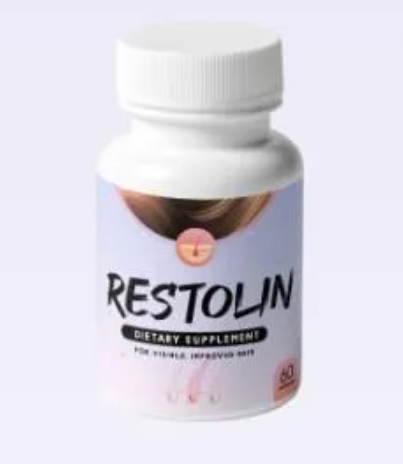
Table of Contents
- Quick Verdict
- What It Claims to Do
- The First Red Flag: Every “Review” Is the Same Review
- No Actual Proof It Works
- The Claims Are the Kind That Get Companies in Trouble
- Possible Side Effects
- What to Do If You Already Ordered It
- Tips to Avoid Supplement Scams
- How to Be Safe Shopping Online in General
- Smarter Alternatives
- Bottom Line
What It Claims to Do
Restolin is a $49-a-bottle capsule (two pills a day) that says it can block DHT, that’s the hormone that causes a lot of male pattern baldness, using a mix of vitamins, herbal extracts, and plant stuff like pine bark and cat’s claw. The sales pitch says it doesn’t just help hair grow, it actually reverses baldness completely. Big promise for a supplement.
The First Red Flag: Every “Review” Is the Same Review
I went looking for real reviews, actual people who bought it and posted honestly about their results. What I found instead was the same article, word for word or close to it, copy-pasted across a bunch of random sites. IPSNews, sponsored blog posts, some throwaway Yolasite pages that look like they were thrown together in five minutes. That’s not organic buzz, that’s a marketing campaign wearing a “review” costume. When you can’t find a single independent review that isn’t just repackaged sales copy, that’s usually your answer right there.
No Actual Proof It Works
Here’s the thing. Some of the individual ingredients in Restolin aren’t crazy. Stuff like quercetin and vitamin E show up in general nutrition research as decent antioxidants, and pine bark extract has some studies behind it for circulation. But that’s a long way from proving the actual Restolin formula, in these amounts, with these other ingredients mixed in, does what the ads say. I couldn’t find a single clinical trial on Restolin itself. No lab testing to confirm what’s actually in the capsules. Just a video on the sales page and a bunch of “customers” saying it changed their life.
The Claims Are the Kind That Get Companies in Trouble
“Eliminates baldness.” “Stops a bizarre steroid in its tracks.” This is the same overblown language the FTC has gone after supplement companies for before, because it promises a medical result no over-the-counter pill can actually guarantee. If a product could genuinely reverse baldness completely, it’d be a headline-making drug, not a $49 bottle sold through an affiliate funnel.
Possible Side Effects
Restolin isn’t marketed as a drug, so there’s no official side effect list backed by real trials, but that cuts both ways. A few general things worth knowing:
- Most of the ingredients (vitamins, pine bark, quercetin, cat’s claw) are common in supplements and generally considered low risk for most healthy adults in normal amounts
- Herbal extracts can still interact with medications, especially blood thinners or blood pressure meds, so don’t assume “natural” means “no risk”
- Since there’s no verified lab testing on the actual capsules, you can’t be 100% sure what’s really in them or in what amounts
- Anyone pregnant, breastfeeding, or managing a health condition should talk to a doctor before trying it
- Stop taking it and see a doctor if you notice any unusual reaction, upset stomach, rash, headaches, whatever feels off
What to Do If You Already Ordered It
If you already bought a bottle, don’t panic, here’s what I’d do:
- Check your bank or card statement for the actual charge amount. Some of these supplement sites sneak you into a subscription you didn’t realize you signed up for.
- Look for a “subscribe and save” or auto-ship option buried in the checkout. If you see recurring charges, cancel it before the next billing cycle.
- Read the refund policy on the site you bought from. Some of these offer a money-back guarantee, keep any confirmation emails and screenshots in case you need to make a claim.
- Dispute the charge with your bank or card company if the company won’t respond or refund you and you believe you were misled.
- Stop taking it if you experience any side effects, and don’t restock once the bottle runs out.
Tips to Avoid Supplement Scams
A few patterns to watch for next time something like this shows up in your feed:
- “Miracle” language. Words like “eliminate,” “reverse,” “cure,” or “secret” are marketing red flags, not medical ones.
- Countdown timers and “limited stock” warnings. These create fake urgency to stop you from doing research first.
- Reviews that all sound the same. If every “independent” review reads like it was written by the same copywriter, it probably was.
- No real clinical studies on the actual product. Studies on individual ingredients don’t count, the finished formula needs its own testing.
- Vague or made-up “doctors” and origin stories. A dramatic personal story about the founder’s own hair loss is a storytelling device, not proof.
- No easy way to contact the company. Real businesses have visible support emails, phone numbers, and return addresses.
How to Be Safe Shopping Online in General
Beyond supplements specifically, a few habits protect you across the board:
- Search the product name plus “reviews” or “complaints” on a separate search engine, not just the ones linked from the ad itself
- Check how long the website’s domain has been registered, brand new domains selling “breakthrough” products are a common scam pattern
- Use a credit card instead of a debit card for online purchases, since credit cards generally offer better fraud protection
- Never enter payment info on a site pushed by an urgent, emotionally manipulative ad without checking the company independently first
- If a “doctor” or celebrity is shown endorsing a product, search their name plus the product to see if it’s a known fake endorsement
Smarter Alternatives
If hair loss is genuinely bothering you, here are options that actually have real clinical research behind them:
- Minoxidil (Rogaine and generics): FDA-approved topical treatment with decades of clinical data
- Finasteride: Prescription oral medication that’s been studied extensively for male pattern hair loss
- Dermatologist consultation: A professional can identify the actual cause of your hair loss (which matters, since not all hair loss is the same) and recommend treatment that fits your situation
- Low-level laser therapy devices: Not miracle cures, but there’s more clinical research behind these than behind most supplement pills
Bottom Line
Not a scam in the sense that you’ll get nothing in the mail, but it’s marketing dressed up as science, and the “reviews” backing it up aren’t real. If hair loss is bothering you and you want something with real evidence behind it, talk to a dermatologist about options like minoxidil or finasteride. Those actually have clinical trials to back them up. Save your money on Restolin.
Read >>> How to Tell If a Supplement Is a Scam (The Patterns That Actually Matter)