
I kept seeing ads for this one pop up on social media too, “Kim’s Skincare Protocol,” promising a 21-day reset for glowing, balanced skin without expensive creams. The name and the glowing-skin promise made me wonder if this was somehow tied to Kim Kardashian’s skincare brand, so I went and actually looked at the site. Here’s what’s really going on.
Quick Verdict
- What it actually is: A downloadable guide/ebook, not a physical product
- Who “Kim” is: No last name, no photo, no credentials given anywhere on the site
- Price: $59, marked down from a “regular price” of $99
- Claims: Vague wellness language like “supports” and “encourages,” nothing specific or provable
- Reviews on the site: Look like stock testimonials, no way to verify they’re real customers
- Would I buy it: No
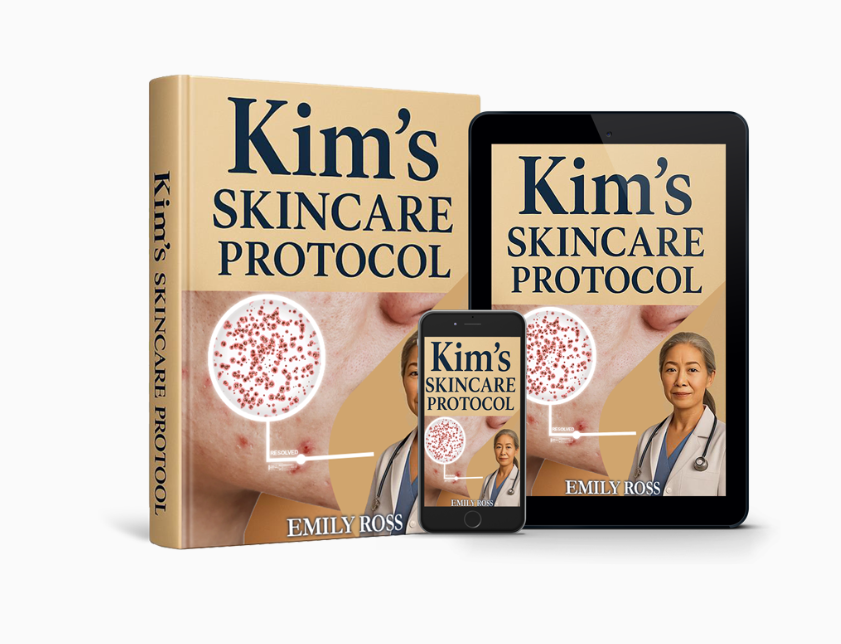
Table of Contents
- Quick Verdict
- What It Claims to Be
- First Red Flag: Who Is “Kim,” Exactly?
- The Reviews Look Fake
- What You’re Actually Paying For
- Fake Urgency Pricing
- Kim’s Skincare Protocol Possible Side Effects
- What to Do If You Already Bought It
- Tips to Avoid Skincare Scams Like This
- How to Be Safe Shopping Online in General
- Smarter Alternatives
- Bottom Line
What It Claims to Be
Kim’s Skincare Protocol is marketed as a “gentle 21-day skin reset” that’s supposedly education-focused instead of another product to sell you. The pitch is that it teaches you daily rituals, ingredient guidance, and routines to support your skin barrier, balance hydration, and get a natural glow, all without harsh treatments or pricey creams.
Sounds nice. Problem is, once you dig past the surface, there’s almost nothing concrete here.
First Red Flag: Who Is “Kim,” Exactly?
The whole site is built around “Kim,” but there’s no last name, no bio, no credentials, no photo of an actual person behind the brand. Given that the name and the glowing-skin pitch could easily make someone think of Kim Kardashian’s SKKN skincare line, that’s probably not an accident. This isn’t affiliated with her or any known skincare brand. It’s just a name attached to a generic digital product.
The Reviews Look Fake
The testimonials on the site (a woman in London, one in LA, one in Toronto) all read like the exact same template you see on dozens of similar sites: dramatic backstory, miracle transformation in 21 days, five stars, no way to verify any of them are real buyers. There’s no linked review platform, no outside source, nothing you can independently check.
What You’re Actually Paying For
This isn’t a cream, serum, or physical product. It’s a digital guide, sold and processed through ClickBank, a platform commonly used for exactly this kind of “protocol” or “hack” ebook funnel. You’re paying $59 for a PDF of general skincare advice, plus a few “free bonus” guides about diet and sleep that are the kind of content you could find for free with a bit of searching.
Fake Urgency Pricing
The site lists a “regular price” of $99 slashed down to $59, which is a pretty standard trick to make you feel like you’re getting a deal. There’s no evidence this product was ever actually sold at $99. It’s a manufactured discount designed to nudge you into buying now instead of thinking it over.
Kim’s Skincare Protocol Possible Side Effects
Since this is a digital guide and not a product you apply to your skin, there’s no direct side effect risk from the guide itself. That said:
- If the guide recommends specific ingredients, foods, or DIY treatments, always patch test anything new before applying it to your face
- Be cautious of any “detox” or ingredient advice that isn’t backed by a dermatologist, some DIY skincare tips circulating online can actually irritate skin or cause reactions
- If you have a diagnosed skin condition (eczema, psoriasis, rosacea, etc.), generic advice not tailored to your condition could do more harm than good, so check with a dermatologist before changing your routine based on this or any guide
What to Do If You Already Bought It
- Check your bank statement for the actual charge and confirm you weren’t signed up for any recurring billing you didn’t expect
- Save your purchase confirmation email, since the site claims a 60-day money-back guarantee
- Request a refund directly through the contact method listed on the site if you’re not satisfied, before the 60-day window closes
- Dispute the charge with your bank or card company if the company doesn’t respond or refuses a refund it advertised
- Read the guide with a critical eye rather than treating it as medical advice, and don’t make major changes to your skincare routine (especially with an existing skin condition) without checking with a professional first
Tips to Avoid Skincare Scams Like This
- Watch for a first name only, no last name, no credentials. Legitimate experts put their name and qualifications front and center.
- Be skeptical of “protocol” or “reset” language. These words sound clinical but aren’t regulated or backed by anything specific.
- Look for a “regular price” that was never actually charged. Fake discounts create urgency that isn’t real.
- Check where the checkout is processed. ClickBank itself isn’t inherently shady, but it’s the go-to platform for this exact style of low-effort digital guide.
- Search for the product name plus “review” on a totally separate search engine, not just links from the ad itself.
- If testimonials can’t be traced to a real platform (Trustpilot, Google Reviews, etc.), assume they’re not verifiable.
How to Be Safe Shopping Online in General
- Search the product name plus “reviews” or “complaints” independently before buying
- Check how new the website’s domain is, brand new “breakthrough” sites are a common scam setup
- Use a credit card over a debit card for better fraud protection on purchases you’re unsure about
- Don’t rush into a purchase because of a countdown timer or “today only” pricing
- If a product borrows the name or vibe of a celebrity or known brand without directly saying it’s affiliated, treat that as a warning sign, not a selling point
Smarter Alternatives
If you actually want to improve your skin, these routes have real evidence and real accountability behind them:
- A board-certified dermatologist consultation: They can identify what’s actually going on with your skin and recommend a routine that fits your specific situation
- Established skincare brands with published ingredient lists, like CeraVe, La Roche-Posay, or Paula’s Choice, which have transparent formulations and dermatologist input
- The National Institutes of Health or American Academy of Dermatology websites for free, science-backed skincare guidance instead of paying for a generic PDF
- A licensed esthetician if you want a more personalized, hands-on routine recommendation
Bottom Line
Kim’s Skincare Protocol isn’t a “you’ll never receive it” style scam, it’s a $59 digital guide sold through a sales funnel built on a vague, uncredited “Kim,” fake urgency pricing, and unverifiable testimonials. There’s nothing here you couldn’t find for free from a real dermatologist or a trustworthy skincare resource. Save your money.
Read Also >>> BreathEaseX Ingredients, Reviews, and the Deepfake Ad Nobody’s Talking About
