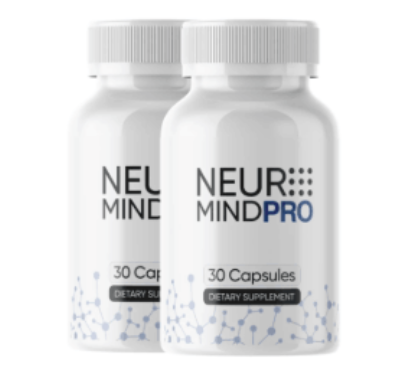

Neuro Mind Pro is being sold through some particularly deceptive memory-loss advertisements. One campaign promises a cheap Himalayan honey recipe that supposedly reverses Alzheimer’s disease, then leads visitors to a supplement costing as much as $87 for a single bottle. The promotion has appeared alongside a fake CNN Health article, supposed Harvard medical discoveries, and manipulated celebrity endorsements involving Bill Gates and Morgan Freeman. I looked into the advertising, the websites behind it, and the actual supplement claims. What stands out isn’t a breakthrough in brain health. It’s how a simple honey remedy becomes an expensive supplement purchase, with little verifiable evidence that the product can do what the ads promise.
Table of Contents
- About Neuro Mind Pro
- The Himalayan Honey Trick Advertisements
- Fake CNN Articles and Harvard Doctor Claims
- Celebrity Endorsements and AI-Generated Videos
- Neuro Mind Pro Ingredients and Dosage
- Does Neuro Mind Pro Work?
- Neuro Mind Pro Pricing and Checkout
- Manufacturer and Company Information
- Customer Reviews and Complaints
- Side Effects and Safety
- What to Do If You Already Ordered
- My Verdict
About Neuro Mind Pro
Neuro Mind Pro is marketed as a dietary supplement for memory, concentration, mental clarity, and age-related cognitive health. The advertising investigated in this review promotes capsules rather than a conventional prescription treatment, although some campaigns suggest that the product can reverse Alzheimer’s disease or dementia. The supposed discovery is presented as a natural alternative to established medical care, often involving honey, unusual plant extracts, or a secret formula that researchers allegedly overlooked. I also found websites using the NeuroMind Pro name to advertise different cognitive-support formulas, including one listing B vitamins and a proprietary blend of stimulants and botanical extracts. I couldn’t establish that these websites are all connected to the same manufacturer or that their bottles are identical. That distinction matters because the misleading Alzheimer’s advertisements are documented, but they shouldn’t automatically be attributed to every unrelated seller using a similar product name.
The Himalayan Honey Trick Advertisements
The advertising campaign begins with an offer that sounds nothing like a supplement sale. Viewers are told about a $12 golden honey recipe or Himalayan honey trick that supposedly restores lost memories and reverses Alzheimer’s disease. Some versions feature an elderly woman describing a dramatic recovery, while others suggest that a Harvard doctor discovered the remedy while helping a family member. The idea is to make the solution sound inexpensive, accessible, and overlooked by conventional medicine. But the recipe isn’t the real product being sold. Investigations of these advertisements have documented how visitors are led through a lengthy presentation before Neuro Mind Pro capsules appear as the recommended purchase. There is no credible clinical evidence that a honey recipe reverses Alzheimer’s disease, and the transition from a homemade remedy to a commercial supplement should immediately make viewers question the original promise.
Fake CNN Articles and Harvard Doctor Claims
One documented Neuro Mind Pro campaign directed visitors to memoryhealth.fun and news.memoryhealth.fun, where the pages imitated CNN Health. The presentation used a familiar news-style layout, medical categories, and a headline about a Harvard doctor discovering a golden honey recipe that supposedly saved his mother from Alzheimer’s disease. The story was attributed to Dr. William Li, borrowing the name of a real physician to make the claim appear credible. But a website displaying CNN’s logo isn’t a CNN publication, and a story hosted on an unrelated domain shouldn’t be mistaken for independent medical reporting. I found no credible evidence that Harvard University developed Neuro Mind Pro or that CNN published the claimed breakthrough. The page’s purpose was to give the supplement an appearance of medical authority before introducing the sales offer. This is more serious than exaggerated advertising because it disguises a commercial promotion as independent health news.
Celebrity Endorsements and AI-Generated Videos
The fake medical-news campaign isn’t the only documented problem. Scam investigator Jordan Liles examined Neuro Mind Pro advertisements using manipulated or AI-generated depictions of Morgan Freeman, Bill Gates, Steve Martin, and other recognizable figures. These promotions suggested that celebrities had discovered, used, or endorsed a remedy for dementia and memory loss. Liles found no genuine endorsement or connection between those public figures and Neuro Mind Pro. The celebrity material was used to make the supposed breakthrough seem trustworthy before the product was introduced. A familiar face can be especially persuasive when an advertisement concerns a frightening medical condition, but AI-generated video and cloned voices can make people appear to say things they never said. I would disregard any Neuro Mind Pro advertisement that relies on a celebrity testimonial unless the endorsement can be independently confirmed through that person’s own official channels.
Neuro Mind Pro Ingredients and Dosage
The supplement’s composition is much less clear than its advertising suggests. One website using the NeuroMind Pro name publishes a formula containing vitamin B1 at 6 mg, vitamin B6 at 8.5 mg, vitamin B12 at 24 micrograms, and a 151 mg proprietary blend. That blend lists caffeine from green coffee bean, L-tyrosine, theacrine, theobromine, bacopa monnieri, rhodiola rosea, and huperzia serrata. The individual quantities of those seven ingredients aren’t disclosed. However, I couldn’t verify that this particular formulation is the same Neuro Mind Pro sold through the Himalayan honey advertisements. The documented sales campaign does not provide enough independently verified product information to establish a consistent formula, manufacturer, or batch composition. I therefore wouldn’t use an ingredient list from one similarly named website to claim that every Neuro Mind Pro bottle contains those substances. For consumers, the immediate concern is that the advertisements make extraordinary medical promises without establishing exactly what is being sold.
Does Neuro Mind Pro Work?
I found no published clinical trial showing that Neuro Mind Pro reverses Alzheimer’s disease, treats dementia, or restores memory in people experiencing cognitive decline. Some ingredients advertised by similarly named supplement sellers, such as bacopa and rhodiola, have been studied for particular aspects of cognition, fatigue, or stress. However, those findings cannot establish that an unidentified Neuro Mind Pro formulation delivers the same results. More importantly, modest research into cognitive performance is fundamentally different from evidence that a product treats a progressive neurological disease. Alzheimer’s disease involves complex changes in the brain, and no honey mixture or over-the-counter supplement has been shown to reverse it. The marketing attempts to bridge that enormous scientific gap with personal stories, medical-sounding explanations, and claims of hidden discoveries. I found a related problem in my NeuroRecall review, where a reported Bill Gates deepfake advertisement and conflicting supplement formulas made the product’s marketing difficult to trust. The two products should not be assumed to have the same seller, but both illustrate why claims about dramatic memory recovery require independent evidence.
Neuro Mind Pro Pricing and Checkout
The documented Neuro Mind Pro sales campaign advertised one bottle for $87 plus shipping, three bottles at $67 each, and six bottles at $47 each. That means the three-bottle package would cost $201, while the six-bottle package would cost $282 before any additional charges. The larger bundles were accompanied by substantial claimed savings, limited-stock warnings, and countdown timers intended to encourage immediate purchases. The investigated checkout directed customers to a Neuro Mind Pro page hosted through Cartpanda. Using a third-party checkout service doesn’t itself prove fraud, but buyers should know which merchant will process their payment and what terms they are accepting. The promotional material also displayed a 180-day money-back guarantee, although I couldn’t independently verify how reliably that promise was honored. Some reports about similar supplement funnels describe unexpected upsells and recurring charges, but those broader complaints should not be presented as proof that every Neuro Mind Pro customer experienced unauthorized billing. The established concern is the high-pressure purchasing process attached to unsupported medical claims.
Manufacturer and Company Information
I couldn’t establish a clearly identified manufacturer responsible for the Neuro Mind Pro capsules promoted through the fake CNN and Himalayan honey campaign. The promotional material relies heavily on medical authority, regulatory-looking badges, and claims about manufacturing standards, but those graphics don’t substitute for a verifiable business identity or independent product testing. Claims such as FDA approved are especially misleading when applied to an ordinary dietary supplement. The FDA doesn’t approve dietary supplements for safety and effectiveness before they reach the market in the same way it approves prescription drugs. Likewise, a claim about manufacturing in an FDA-registered facility wouldn’t establish that the supplement treats Alzheimer’s disease. Without a verifiable manufacturer, a consistent Supplement Facts panel, and independent testing documentation, customers have little basis for confirming what the advertised product contains.
Customer Reviews and Complaints
The Neuro Mind Pro campaign uses dramatic recovery stories rather than independently verified clinical outcomes. The testimonials suggest that people regained memories, recovered from severe cognitive problems, or experienced improvements that conventional treatment supposedly couldn’t provide. I couldn’t independently substantiate those accounts or establish that the reported improvements resulted from taking the supplement. Investigations of the campaign have also identified misleading endorsements and news-style presentations, which undermine the credibility of the promotional material. Although some scam reports describe billing and refund problems associated with aggressive memory-supplement funnels, I couldn’t verify a comprehensive set of Neuro Mind Pro-specific customer transactions establishing how frequently those problems occur. The documented fake endorsements and impersonated news coverage are already sufficient reasons to distrust the advertising without adding unverified customer complaints.
Side Effects and Safety
The most serious health risk is that someone experiencing memory loss may delay medical evaluation because an advertisement promises an easy cure. Alzheimer’s disease and other forms of dementia require proper assessment, and some memory problems can result from medication effects, vitamin deficiencies, thyroid conditions, sleep disorders, or other potentially treatable causes. Taking an unidentified supplement also introduces uncertainty about ingredients and interactions. For example, the separate NeuroMind Pro formula listing caffeine-related compounds and huperzia serrata would raise different safety questions from a product containing only vitamins or herbal extracts. Older adults may also take medications that interact with certain supplement ingredients. Without confirming the actual bottle’s formula, it isn’t possible to give a reliable product-specific safety assessment. Sudden confusion or rapidly worsening cognitive symptoms should receive prompt medical attention rather than being managed with an online supplement.
What to Do If You Already Ordered
If you purchased Neuro Mind Pro after seeing a honey recipe, fake news article, or celebrity video, save screenshots of the advertisement and the checkout page, along with your order confirmation and payment receipt. Identify the merchant named on the transaction and contact it in writing if you want to cancel or request a refund. Ask for confirmation of the cancellation, any applicable return instructions, and whether the purchase included recurring billing. Review your bank or card statements for charges you didn’t authorize. If the seller doesn’t resolve a legitimate dispute, contact your payment provider promptly to discuss chargeback or other available protections. You can also report impersonated news pages and misleading celebrity advertisements to the platform displaying them. If you bought the supplement for yourself or a relative experiencing memory problems, don’t let the promised results delay appropriate medical care.
My Verdict
I would avoid Neuro Mind Pro as promoted through the Himalayan honey and fake Alzheimer’s cure campaigns. The documented advertising uses impersonated news coverage, fabricated medical authority, manipulated celebrity endorsements, and unsupported claims about reversing a serious neurological disease. I couldn’t establish that every similarly named supplement comes from the same company, so I wouldn’t automatically classify every NeuroMind Pro product as part of one operation. But the specific marketing campaign investigated here is deceptive, and there is no credible evidence that the advertised supplement reverses Alzheimer’s disease or justifies its extraordinary promises.