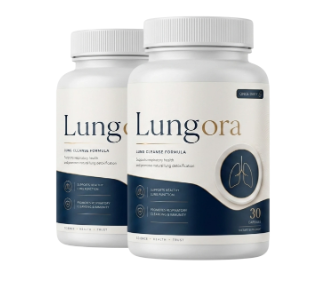

Lungora is being promoted as a daily supplement for people who want to improve their lung health, breathe more comfortably, and protect their respiratory system from everyday damage. Its advertised ingredients include magnesium glycinate, turmeric extract, and Coenzyme Q10, which are commonly associated with general health and antioxidant support. However, questions have been raised about Lungora’s promotional videos, particularly reports that AI-generated footage of well-known doctors and television personalities is being used to make the supplement appear credible. In this review, we’ll examine what Lungora contains, whether its ingredients have been shown to improve lung function, and what buyers should know about the advertising methods associated with the product.
Quick Takeaways
- Product: Lungora, a dietary supplement marketed for lung health and respiratory cleansing.
- Ingredients: Advertised ingredients include magnesium glycinate, turmeric extract, and CoQ10.
- Main concern: Reports of AI-generated celebrity endorsements and CNN-style promotional pages.
- Scientific evidence: No verified clinical trials showing that Lungora cleanses the lungs or improves breathing.
- Customer reviews: Limited reliable independent feedback about the product’s effectiveness.
- Verdict: I would approach Lungora with caution and wouldn’t recommend buying it based on its current advertising claims.
Table of Contents
- Quick Takeaways
- What Is Lungora?
- Lungora’s Celebrity Endorsements Raise Serious Questions
- Why Does the Promotional Website Resemble CNN?
- What Do Lungora’s Ingredients Actually Do?
- Can Lungora Really Cleanse the Lungs?
- Several Websites Are Selling Lungora Under Similar Names
- Price and Money-Back Guarantee
- Are There Genuine Lungora Customer Reviews?
- Lungora Side Effects and Safety Concerns
- Is Lungora a Scam or Legit?
- Should You Buy Lungora?
- Conclusion
What Is Lungora?
Lungora is a capsule supplement marketed to adults who want to maintain healthy lungs and support their respiratory system. Its advertising focuses on problems such as breathing discomfort, exposure to pollutants, and oxidative stress, which may appeal to people concerned about the long-term effects of smoking or environmental pollution. The product is presented as a convenient way to support lung health without making major changes to a person’s daily routine. However, there’s an important difference between providing nutritional support and actually improving respiratory function. Lungora’s promotional descriptions don’t clearly establish how the capsules would remove harmful substances from the lungs or produce measurable improvements in breathing. These are benefits that would need to be demonstrated through reliable testing rather than assumed from the ingredients alone.
Lungora’s Celebrity Endorsements Raise Serious Questions
One of the biggest concerns surrounding Lungora is the reported use of AI-generated promotional videos featuring recognizable public figures. Names associated with these advertisements include Dr. Sanjay Gupta, Dr. Drew Pinsky, Pat Sajak, and Anderson Cooper. The videos allegedly make it appear as though these individuals are discussing or recommending Lungora, which could easily convince someone that the supplement has been reviewed by a trusted medical professional or television personality. Unfortunately, AI technology can now produce realistic videos that imitate a person’s voice, facial expressions, and manner of speaking. This means a familiar face appearing in an advertisement doesn’t necessarily mean the person participated in it. I couldn’t independently verify genuine endorsements from the individuals reportedly featured in Lungora’s promotions. Until such endorsements can be confirmed through their official channels, I wouldn’t treat these videos as reliable evidence that the supplement works.
Why Does the Promotional Website Resemble CNN?
Another issue associated with Lungora is the reported use of promotional pages designed to resemble CNN news coverage. This type of advertising can be particularly convincing because readers may believe they’re looking at an independent health report rather than a page created to sell a supplement. Familiar news-style layouts, photographs of journalists, and references to medical discoveries can make the information appear more trustworthy, especially when the advertisement is shared on social media without much context. However, a website resembling CNN doesn’t mean the news organization investigated or endorsed the product. Anyone who encounters a Lungora advertisement presented as a news story should check whether that story actually appears on CNN’s official website. If a commercial page is deliberately presented in a way that makes people mistake it for genuine journalism, that raises serious questions about the seller’s advertising practices.
What Do Lungora’s Ingredients Actually Do?
Lungora is advertised as containing magnesium glycinate, turmeric extract, and Coenzyme Q10, although some websites using the Lungora name describe additional ingredients or different formulations. Magnesium is an essential mineral involved in muscle and nerve function, but taking extra magnesium hasn’t been shown to cleanse the lungs in people who already get enough of it. Turmeric contains compounds such as curcumin, which have been studied for their antioxidant and anti-inflammatory properties. However, results from laboratory studies or research involving other formulations don’t establish that turmeric capsules can improve breathing. CoQ10 plays a role in cellular energy production and has also been studied for its antioxidant effects, but it isn’t an established treatment for respiratory damage. Another difficulty is that the advertised information doesn’t consistently provide the exact quantities of these ingredients. Without a verified Supplement Facts label, it’s difficult to assess whether the formula contains meaningful doses or whether it is suitable for people taking other medications.
Can Lungora Really Cleanse the Lungs?
The idea of cleansing the lungs sounds attractive, especially to someone who has smoked for years or regularly breathes polluted air. However, the lungs already have natural mechanisms for removing mucus and inhaled particles, including the movement of tiny hair-like structures called cilia. A supplement would need to demonstrate that it improves these processes before claiming to cleanse the respiratory system. I couldn’t establish that Lungora has undergone a reliable human clinical trial showing improvements in lung capacity, airflow, oxygen levels, or other recognized measures of respiratory health. There is also no convincing evidence that taking Lungora can reverse smoking-related lung damage or treat conditions such as asthma and COPD. While antioxidants have legitimate roles in the body, that doesn’t mean swallowing an antioxidant supplement will remove accumulated pollutants or repair damaged lung tissue. For now, Lungora’s lung-cleansing benefits remain unproven.
Several Websites Are Selling Lungora Under Similar Names
Another thing buyers should be aware of is the number of websites presenting themselves as official Lungora sellers. These include lungora.com, lungoran.com, laungora.com, and other similarly named domains. Some promote the same six-ingredient formula, while others describe different ingredients and respiratory benefits. For example, one Lungora-branded website discusses NAC and bromelain as ingredients that help clear mucus, even though those substances aren’t included in the six-ingredient formula advertised elsewhere. This makes it harder to know exactly which version of Lungora someone is purchasing. I also found manufacturing claims involving FDA registration and GMP certification, but these don’t mean the FDA has approved the supplement or confirmed its effectiveness. In fact, one promotional page displays an FDA-approved label, which is misleading for a dietary supplement. Before ordering, buyers should be able to identify the actual manufacturer and verify that the ingredients on the bottle match those advertised online.
Price and Money-Back Guarantee
Lungora is advertised in packages of two, three, and six bottles. The two-bottle package costs $178, the three-bottle package costs $216, and the six-bottle package costs $294, bringing the advertised price down to $49 per bottle. The larger packages include free shipping, and the seller promotes a 60-day money-back guarantee. However, the refund period begins on the purchase date, and the published conditions require customers to contact support, return the bottles, and cover return shipping. This is worth considering because the website encourages consistent use over several months while offering a refund window of only two months. Someone purchasing six bottles could still have most of their supply left when the guarantee expires. The advertised savings are also calculated against much higher reference prices, so I wouldn’t assume the discounts represent genuine reductions from prices customers normally pay.
Are There Genuine Lungora Customer Reviews?
There are positive testimonials on websites promoting Lungora, including comments about easier breathing, improved energy, and satisfaction with the capsules. Some pages also display impressive customer ratings and purchasing figures. However, I couldn’t independently verify those figures or establish that the testimonials came from confirmed purchasers. I also didn’t find enough reliable third-party feedback to determine how customers generally experience the product after several weeks of use. This doesn’t mean every testimonial is fabricated, but reviews published by a seller should be treated differently from independent customer feedback. Even when someone genuinely reports feeling better after taking a supplement, that experience doesn’t establish that the product improved their lung function. Symptoms can change for many reasons, and a personal account cannot replace medical testing.
Lungora Side Effects and Safety Concerns
Although Lungora is marketed as a natural supplement, its ingredients aren’t necessarily suitable for everyone. Alpha-lipoic acid may affect blood sugar levels, which is particularly relevant for people taking diabetes medication. Turmeric extracts can cause digestive discomfort and may interact with certain medicines, while CoQ10 can interfere with warfarin. Magnesium supplements can also cause gastrointestinal side effects, depending on the dose. The exact amounts of the ingredients matter when assessing these risks, especially because some Lungora pages describe a proprietary blend rather than disclosing every individual quantity. Anyone taking prescription medication or managing an existing health condition should discuss the formula with a healthcare professional before using it. Lungora should not replace prescribed inhalers or treatment for asthma, COPD, or other respiratory conditions.
Is Lungora a Scam or Legit?
I wouldn’t call Lungora a confirmed scam simply because its advertised respiratory benefits haven’t been proven. It appears to be a supplement offered through established online payment and fulfillment services, and I couldn’t establish a pattern of customers paying for orders that never arrive. However, there are good reasons to question the way the product is being marketed. The reported use of AI-generated celebrity videos and news-style promotional pages is particularly concerning because these methods can make an ordinary supplement appear to have medical or media endorsements it hasn’t earned. The uncertainty surrounding the different websites and formulations also makes it difficult to assess the offer with confidence. My assessment is that Lungora may be a real product, but the evidence doesn’t justify trusting its lung-cleansing promises or purchasing it on the strength of its advertisements.
Should You Buy Lungora?
I wouldn’t recommend buying Lungora specifically to improve breathing, remove toxins, or repair damage caused by smoking. If you’re considering it as a general wellness supplement, there are still basic questions worth resolving before placing an order. You should know exactly what is in the capsules, how much of each ingredient they contain, who manufactures them, and whether the seller can provide credible quality-testing information. It’s also sensible to check the merchant name at checkout and keep a copy of the refund terms. If you’ve already purchased Lungora and want to return it, contact the seller within the stated guarantee period and keep your order confirmation and correspondence. Anyone experiencing persistent coughing, wheezing, or shortness of breath would be better served by getting those symptoms assessed rather than trying to manage them with an unproven supplement.
Conclusion
Lungora is another example of a health supplement whose advertising raises expectations that the available scientific evidence doesn’t support. Its ingredients have recognized uses in general nutrition and wellness, but that isn’t enough to establish meaningful respiratory benefits. I would be especially cautious about advertisements that appear to feature doctors, celebrities, or familiar news organizations without independently verifiable endorsements. Until Lungora’s seller can provide stronger evidence for the finished product and greater clarity about its marketing, I don’t see a convincing reason to spend money on it.
Read also >>> Aurastepslady.com Review: A Suspicious Shoe Store Using Blowfish Malibu’s Name