
Rust remover ads are some of the most satisfying videos on the internet. A rusty wrench goes in. A clean-looking tool comes out. Years of corrosion disappear in minutes. No scrubbing. No effort. No mess.
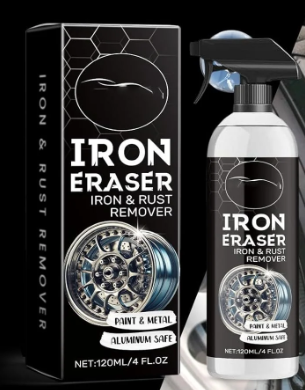
The Iron Eraser Rust Remover leans heavily into that kind of marketing. The product is presented as a simple solution that can restore rusty tools, hardware, automotive parts, and metal surfaces without the hard work people usually associate with rust removal.
The idea is appealing because rust is one of those problems most people eventually deal with. The question is whether Iron Eraser is actually doing something special or simply repackaging a process that has existed for decades.
Quick Take
- Marketed as a fast-acting rust removal solution for metal surfaces
- Rust removal chemistry is a real and established category
- Can help loosen and dissolve surface rust under the right conditions
- Deep corrosion still usually requires manual work and realistic expectations
- Overall impression: useful if used correctly, but not the miracle transformation shown in many ads
What Is Iron Eraser?
Iron Eraser is sold as a rust-removal treatment designed to break down oxidation on metal surfaces.
The marketing focuses on:
- removing rust quickly
- restoring old tools
- reducing scrubbing
- extending the life of metal equipment
- bringing corroded items back to a cleaner condition
Nothing about that concept is unusual. Products designed to dissolve or loosen rust have existed for years. The actual effectiveness depends less on the name on the bottle and more on the chemistry inside, the severity of the corrosion, and how the product is used.
That last part is important because a lot of rust-removal marketing skips over it.
Why The Ads Look So Impressive
Most rust-removal videos use the perfect type of demonstration.
You start with something ugly.
You end with something clean.
The before-and-after contrast is dramatic, which makes the product look almost magical.
What those videos often don’t show is how long the process actually took, whether scrubbing happened off-camera, whether multiple treatments were needed, or whether the rust was mostly surface-level to begin with.
Surface rust and deep corrosion are very different problems. A chemical treatment can help break down oxidation. It cannot magically replace metal that has already been eaten away. That’s where many expectations start getting unrealistic.
Independent Reviews
Looking across rust-removal products in general, the feedback pattern is fairly consistent.
People tend to be happiest when they’re treating:
- light rust
- hand tools
- hardware
- garden equipment
- small automotive components
The complaints usually start when heavily corroded items are involved.
A lot of users expect a severely rusted object to come out looking factory-new. In reality, deep pitting, staining, and metal damage often remain even after the rust itself has been removed.
That doesn’t necessarily mean the product failed. It means corrosion already caused permanent damage. That’s a distinction many advertisements blur together.
When It Can Be Useful
Iron Eraser makes the most sense for maintenance rather than miracles. If you catch rust early, products like this can be genuinely useful. Removing oxidation before it spreads can extend the life of tools, hardware, outdoor equipment, and other metal items.
I can see it being helpful for:
- hand tools
- fishing equipment
- garden tools
- automotive hardware
- metal fixtures with light-to-moderate rust
The earlier rust is treated, the better the results usually are.
Red Flags I Noticed
The biggest red flag isn’t the product itself. It’s the way rust-removal marketing often treats corrosion as if it’s dirt. Rust isn’t dirt. Rust is damage. Once metal has been eaten away, no chemical solution can restore the missing material.
Another thing that stood out is the frequent use of extreme before-and-after demonstrations. Those examples create the impression that every rusty item can be fully restored with minimal effort. Real-world results are usually more gradual than that.
Many projects still require:
- brushing
- soaking
- repeat applications
- protective coatings afterward
That’s normal, but it rarely makes it into the ads.
A Pattern I Keep Seeing
This reminded me of products like the Lazzda Fast Degreaser Spray, RestoraBowl Toilet Cleaner, and PurePod Produce Cleaner.
Different categories, same basic formula. Take a frustrating household problem and package the solution as something dramatically faster and easier than traditional methods.
Sometimes the product genuinely helps. The exaggeration usually shows up in how effortless the process is made to look. That’s exactly what I see here.
Is It Legit?
From what I found, Iron Eraser appears to be a legitimate rust-removal product rather than a fake or non-functional item.
The chemistry behind rust removers is real. Similar products have been used for years by mechanics, restorers, and hobbyists.
The more important question is whether expectations match reality. If you’re expecting rust reduction and cleanup, it may help. If you’re expecting heavily corroded metal to look brand new after one treatment, you’re probably setting yourself up for disappointment.
Conclusion
The Iron Eraser Rust Remover looks like a real solution to a real problem, but it’s still fighting chemistry, not performing magic. Products like this can be genuinely useful when rust is caught early and expectations stay realistic. They can loosen oxidation, improve appearance, and help save tools that might otherwise get worse over time.
What they can’t do is reverse years of corrosion or rebuild metal that’s already been damaged. The biggest gap here isn’t between the product and reality. It’s between the marketing videos and what rust removal actually looks like in the real world.
FAQ
Does Iron Eraser completely remove rust?
It may help remove or loosen surface rust, but deep corrosion and pitting often remain because the metal itself has already been damaged.
Does it work without scrubbing?
Some rust may loosen during soaking or treatment, but many projects still require brushing or additional cleaning.
Can it restore heavily rusted tools?
It may improve them significantly, but severely corroded tools rarely return to like-new condition.
Is Iron Eraser better than traditional rust removers?
That depends on the formulation. The overall effectiveness is usually determined by the chemistry and severity of the rust rather than the branding.
Is Iron Eraser worth trying?
If you’re dealing with light-to-moderate rust and understand its limitations, it may be worth considering as part of a maintenance routine.