PurePod Produce Cleaner Review: Useful Kitchen Gadget or Another Overhyped Produce “Purifier”?

Have you seen PurePod being advertised as a device that removes pesticides, wax, and bacteria from fruits and vegetables and wondered if it’s genuinely useful or just another kitchen gadget using fear-based marketing to go viral?
That’s exactly what I wanted to figure out.
Quick Take
- PurePod is marketed as a reusable produce-cleaning device that works with water
- Claims to remove pesticides, wax, bacteria, and surface residue using “OH-Ion” or water-activation technology
- The core idea of soaking and agitating produce is legitimate
- The dramatic “molecular cleaning” marketing feels heavily overstated
- Overall impression: probably useful for improving produce washing routines, but not the revolutionary purifier the ads imply
Table of Contents
- Quick Take
- What It Is and Claims To Do
- Why The Ads Look So Convincing
- First Impressions
- What Using Something Like This Is Actually Like
- Independent Reviews
- Red Flags I Noticed
- A Pattern I Keep Seeing
- Is PurePod Legit?
- Better Alternatives To Consider
- Conclusion
- FAQ
What It Is and Claims To Do
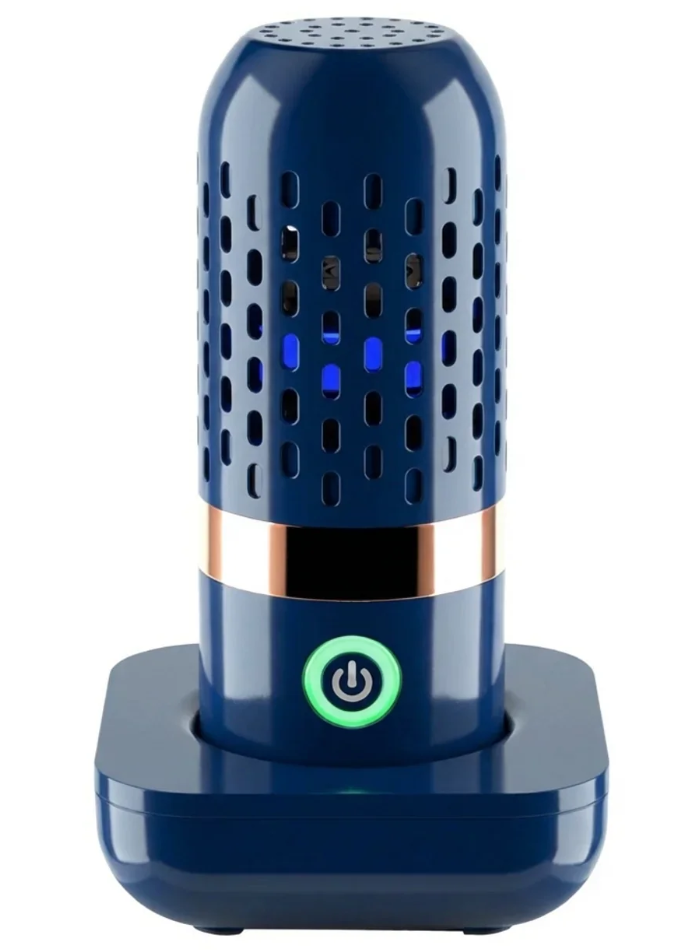
PurePod is a small rechargeable device placed into a bowl or sink filled with water and produce. According to the company, it uses “OH-Ion Technology” and water activation to help remove pesticides, wax coatings, dirt, and bacteria from fruits and vegetables.
The marketing pushes it as a deeper-cleaning alternative to simple rinsing. You’ll see phrases like:
- “removes what water leaves behind”
- “molecular-level cleaning”
- “chemical-free purification”
- “breaks down pesticides and wax”
The concept itself isn’t completely unrealistic. Produce soaking methods, agitation, and certain cleaning approaches can help loosen dirt, residue, and surface contaminants better than a quick rinse alone. But the advertising starts sounding much more dramatic than the science actually supports.
Why The Ads Look So Convincing
This is one of those products that taps directly into food anxiety.
The ads are designed to make you question whether your fruits and vegetables are ever truly clean. You’ll see cloudy water after soaking produce, close-ups of residue floating around, and phrases suggesting ordinary rinsing barely works.
And honestly, visually, it’s effective. Watching dirty-looking water appear after cleaning strawberries or grapes instantly makes people feel like the device is doing something extraordinary. But here’s the thing: soaking produce in water alone can already loosen dirt, sediment, and debris depending on the produce type. That doesn’t automatically prove a device is removing dangerous amounts of pesticides or bacteria at the level the marketing implies. A lot of the emotional power comes from the fear that your food is secretly contaminated unless you own this gadget.
First Impressions
My first impression was that PurePod actually looks more polished than a lot of random viral kitchen gadgets. The setup is simple, rechargeable, portable, and visually clean. I can absolutely see why health-conscious shoppers and parents would find it appealing.
But I also noticed the wording quickly drifts into very aggressive “advanced technology” territory. Terms like “hydroxyl radicals,” “molecular cleaning,” and “water activation” are used heavily throughout the marketing.
That immediately made me more cautious because wellness-style gadgets often use scientific language to create the impression of breakthrough technology without clearly proving the real-world difference.
What Using Something Like This Is Actually Like
Realistically, I can see PurePod being useful for people who already care a lot about washing produce thoroughly.
The biggest benefit honestly seems to be convenience and consistency. Instead of quickly rinsing fruits under a tap for five seconds, people are more likely to soak produce properly and clean larger batches more thoroughly.
That alone can improve cleaning habits. Some independent reviewers also reported seeing more sediment and debris left behind in the water after using it, especially with leafy greens and herbs.
But I think expectations need to stay realistic. No home gadget can magically sterilize produce or completely remove systemic pesticides that exist inside the fruit or vegetable itself. Even broader discussions online around produce washes show a lot of skepticism about whether these products dramatically outperform normal washing methods. So the realistic experience is probably:
better produce washing routine, not miracle purification technology.
Independent Reviews
The feedback pattern around PurePod is interesting because it’s more positive than many viral gadgets I research.
Some users genuinely liked:
- the convenience
- reusable design
- hands-off cleaning
- visible debris in the water afterward
- improved produce-cleaning habits
Independent reviewers testing leafy greens, berries, herbs, and grapes often described produce feeling cleaner or less waxy after soaking.
But there’s also an important limitation here. A lot of the strongest reviews come directly from highly promotional-style blogs or retailer pages tied closely to the product itself. That makes it harder to separate genuine performance from marketing-driven enthusiasm.
I also noticed broader online discussions about produce washes in general tend to be divided. Some people swear by them, while others believe water, vinegar, or baking soda already do most of the job well enough.
Red Flags I Noticed
The biggest red flag for me is how strongly the marketing leans into fear and scientific-sounding claims. The device is often presented almost like a high-tech purification system rather than a produce-cleaning aid. Phrases about molecular cleaning and pesticide removal sound impressive, but there’s very little easily accessible independent clinical verification attached directly to the product itself.
I also noticed many of the claims focus heavily on what you “can’t see,” which naturally makes the product harder for consumers to evaluate objectively.
And whenever a product depends heavily on fear of hidden contamination, I usually become more cautious about the marketing angle.
A Pattern I Keep Seeing
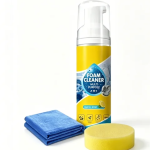
PurePod reminded me a lot of what I noticed while researching products like, ZiloPod, RestoraBowl Toilet Cleaner and Lazzda Fast Degreaser Spray.
Different category, same strategy.
Take an ordinary task people already do, then market a new product as the “missing solution” that finally does it properly.
In this case:
washing produce becomes “unsafe unless deeply purified.”
That doesn’t mean the product itself is fake. But it does explain why the marketing often feels much bigger than the actual day-to-day experience users are likely to have.
Is PurePod Legit?
I don’t think PurePod looks like a scam. The device appears real, functional, and capable of helping people clean produce more thoroughly than a rushed rinse under tap water.
What I think gets exaggerated is the transformation language surrounding it. The marketing makes it sound like a near-essential food purification system, when realistically it’s probably best viewed as a convenience-focused produce-cleaning gadget.
Useful? Potentially.
Scientifically revolutionary? Probably not.
Better Alternatives To Consider
- Veggie Wash
- Fit Organic Produce Wash
- Biokleen Produce Wash
- Force of Nature Cleaner
Conclusion
After researching PurePod, my overall impression is that it’s a real kitchen gadget wrapped in very aggressive health-focused marketing.
It may genuinely encourage better produce-cleaning habits and help remove surface dirt and residue more effectively than a quick rinse alone. But the bigger “molecular purification” and pesticide-removal messaging feels much more dramatic than the evidence clearly supports.
At the end of the day, PurePod seems more like a convenience upgrade than a breakthrough food-safety device.
FAQ
Does PurePod actually remove pesticides?
It may help reduce some surface residue and contaminants, but there’s limited independent evidence proving dramatic pesticide removal beyond other thorough washing methods.
Is PurePod better than rinsing produce with water?
Possibly for convenience and soaking consistency, though the difference may not be as dramatic as the ads suggest.
Does PurePod use chemicals?
The product claims to work using only water and electro-activation technology.
Is PurePod scientifically proven?
I could not find strong independent clinical evidence fully validating the broader “molecular cleaning” marketing claims.
Is PurePod worth buying?
If you already care deeply about produce washing and want a more hands-off process, you may find it useful. Expectations around “deep purification” should probably stay realistic.