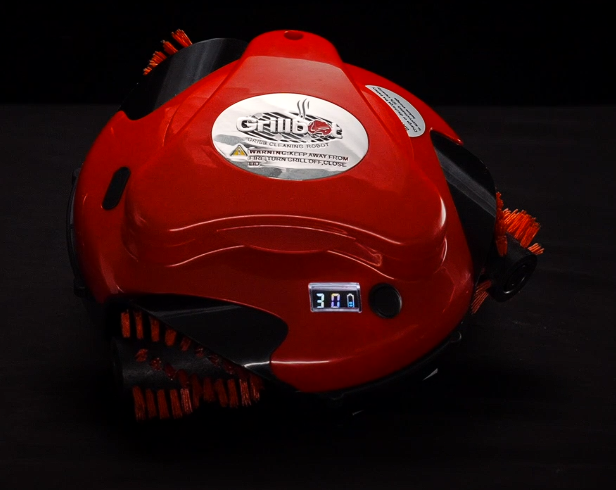

Cleaning a grill is one of those chores most people tolerate rather than enjoy. After a cookout, you’re left staring at greasy grates covered in burnt food, carbon buildup, and residue that never seems to come off as easily as it should. That’s exactly where the Grillbot comes in. The idea sounds brilliant. Drop a small robot onto your grill, press a button, and let it scrub the grates for you while you do something else. It’s basically a Roomba for your barbecue. The concept gets people’s attention immediately.
The question is whether it actually saves enough work to justify the price.
Quick Take
- Robotic grill-cleaning device with rotating brushes
- Cleans surface-level grime reasonably well
- Often misses corners, edges, and stubborn buildup
- Noisy during operation
- Reports of charging and durability issues from some owners
- Usually works best as a maintenance tool rather than a complete replacement for manual cleaning
- Overall impression: interesting gadget with a real purpose, but far less revolutionary than the marketing suggests
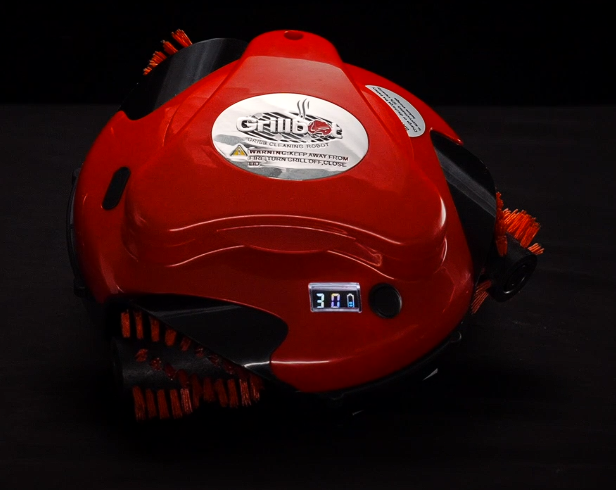
Table of Contents
- Quick Take
- What Is the Grillbot Robot Grill Cleaner?
- Why The Idea Is So Appealing
- What It’s Like in Real Use
- The Biggest Limitation Nobody Talks About
- What Owners Seem To Agree On
- Durability Concerns Start Appearing
- The Part That Made Me Laugh
- A Pattern I Keep Seeing
- Is the Grillbot Legit?
- Better Alternatives to the Grillbot
- Conclusion
- FAQ
What Is the Grillbot Robot Grill Cleaner?
The Grillbot is a battery-powered robot designed to move around grill grates while three rotating brushes scrub away residue.
The marketing focuses on:
- hands-free grill cleaning
- less scrubbing
- easier grill maintenance
- automatic operation
- cleaner grill grates with minimal effort
It’s an easy product to understand. If robot vacuums can clean floors, the Grillbot aims to do something similar for barbecue grills.
Why The Idea Is So Appealing
The appeal is obvious. Most grill owners don’t mind cooking. It’s the cleanup afterward that gets old. The Grillbot promises to remove one of the least enjoyable parts of grilling. The advertisements make it look like you can simply place it on the grates, walk away, and return to a clean grill. That’s where expectations start getting ahead of reality.
What It’s Like in Real Use
The good news is that the Grillbot does actually clean. It moves around the grill, the brushes rotate, and it removes a noticeable amount of debris from the surface of the grates. Independent testing found that it cleaned enough residue from the top of the grates to make the grill usable again, though burnt spots and grime underneath remained. Reviewers consistently found that it provided a decent surface clean rather than a deep clean. The key phrase here is “surface clean.” That’s where many buyers seem to land after using it.
The Biggest Limitation Nobody Talks About
Pressure. When people clean grills manually, they’re applying force. They’re scraping, pushing, and attacking stubborn buildup directly. The Grillbot can’t do that. It relies entirely on rotating brushes and movement patterns. That’s fine for routine maintenance, but heavily baked-on grease and carbon deposits are a different story. The dirtier the grill gets, the harder it becomes for the robot to keep up.
What Owners Seem To Agree On
After digging through user discussions, one pattern showed up repeatedly. People who expected the Grillbot to replace grill cleaning were usually disappointed. People who expected it to reduce grill cleaning were generally happier. One owner reported that it removed roughly 80% of the buildup but missed corners and edges. Another described the cleaning as adequate but not exceptional. Several users mentioned that it primarily cleans the top surface while leaving deeper residue behind.
That’s a much more realistic picture than the one shown in most advertisements.
Durability Concerns Start Appearing
The cleaning performance isn’t the only issue that comes up. A surprising number of owners report problems involving:
- charging failures
- batteries not holding charge
- motors failing
- units stopping after limited use
- customer service frustrations
Recent user reports include devices that stopped charging, motors burning out, and products failing after only a handful of cleaning cycles. Complaints about support and warranty experiences appear repeatedly across customer review sites and discussion forums.
That doesn’t mean every Grillbot fails. But reliability concerns show up often enough to be worth mentioning.
The Part That Made Me Laugh
The Grillbot solves one cleaning problem by creating another. After scrubbing grease, soot, and burnt food from your grill, the robot itself ends up dirty. The brushes need cleaning. The robot needs maintenance. One Reddit user joked that the only downside is eventually having to clean the Grillbot itself. It’s funny because it’s true.
A Pattern I Keep Seeing
This reminds me of products like the Bcdroid A10 Ultra Robot Vacuum and the SuperHandy Leaf Vacuum. The automation is real. The marketing simply makes it look more complete than it actually is. The robot performs part of the job. The human usually finishes the rest. That’s not necessarily a failure. It just isn’t the fully hands-free experience many buyers expect.
Is the Grillbot Legit?
Yes. The Grillbot is a real product that performs real cleaning. The issue isn’t whether it works. The issue is how much work people expect it to eliminate. Most evidence suggests it’s best viewed as a maintenance tool rather than a replacement for traditional grill cleaning.
Better Alternatives to the Grillbot
If the goal is simply a cleaner grill with less frustration, a few manual tools actually outperform the Grillbot in real-world use.
A heavy-duty stainless steel grill brush like those from Weber remains the most effective option for most users. It gives direct scraping pressure, works faster after cooking, and handles burnt-on residue far better than any automated system.
For tougher buildup, abrasive grill scrapers or cleaning blocks work well when the grill is still warm. They help break down carbon more efficiently and require less repeated scrubbing.
Nylon-bristle brushes are a safer choice for porcelain-coated grates, especially if you want to avoid metal scraping while still keeping up with regular maintenance.
A simple steam-cleaning method also works surprisingly well. Heating the grill and using steam to loosen grease before scraping often makes manual cleaning much easier and faster than expected.
Compared to all of these, the Grillbot mainly removes surface residue but doesn’t match the cleaning pressure or precision of direct manual tools.
Conclusion
The Grillbot is one of those products that makes perfect sense until you remember how stubborn grill grime can be. For light maintenance cleaning, it does a respectable job. It removes loose debris, scrubs the surface, and reduces some of the effort involved in keeping a grill clean. Once heavy carbon buildup enters the picture, the limitations become much harder to ignore. The Grillbot works best when you think of it as an assistant. The moment you expect it to completely replace a grill brush, the experience starts looking very different.
FAQ
Does the Grillbot actually work?
Yes. It removes a noticeable amount of debris and residue from grill grates, though most users report it performs better on light-to-moderate buildup than heavily soiled grills.
Can the Grillbot replace a grill brush?
For most people, no. It often reduces the amount of manual cleaning required but doesn’t eliminate it completely.
Is the Grillbot worth the money?
That depends on your expectations. People looking for maintenance cleaning tend to be more satisfied than those expecting fully automated grill cleaning.
Is the Grillbot noisy?
Yes. Noise is one of the most common complaints mentioned by owners and reviewers.
Are there durability concerns?
Some owners report charging problems, motor failures, and reliability issues after limited use.