
Searching for Gluco Cleanse Tea because the ads promise it can fix your type 2 diabetes? Just like you, I saw that exact word. Fix. Not “support.” Not “help manage.” Fix. For a tea made from 19 herbs, brewed at home, no prescription needed.
If you’re living with type 2 diabetes, or love someone who is, I understand why that word grabs you. Managing blood sugar is exhausting, medication is expensive, and the idea of one daily cup solving it sounds like relief you’ve been waiting years for.
Here’s the problem. That word “fix” isn’t just optimistic marketing. It’s the exact kind of claim the FTC and FDA have already taken multiple supplement companies to court over, and cost some of them millions.
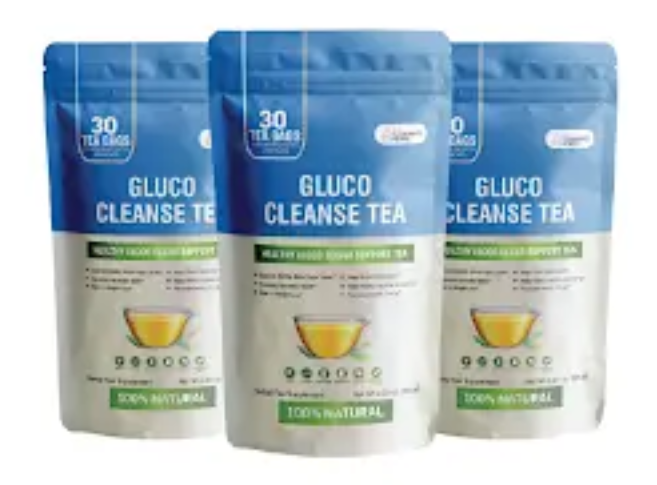
Table of Contents
- What Is Gluco Cleanse Tea?
- Does Gluco Cleanse Tea Actually “Fix” Type 2 Diabetes?
- Why “Fix Your Diabetes” Is a Legal Red Flag, Not Just a Marketing Red Flag
- Possible Side Effects
- The Reviews Online Don’t Look Real Either
- About That Himalayan Village
- Is Gluco Cleanse Tea a Scam?
- Conclusion
- Gluco Cleanse Tea FAQ
What Is Gluco Cleanse Tea?
Gluco Cleanse Tea is an herbal tea supplement sold across more than a dozen near-identical websites, built around a blend of 19 ingredients including Gymnema Sylvestre, bitter melon, white mulberry leaf, green tea, and oolong tea. Some of these do have real, if modest, research behind them for blood sugar support in general, that’s actually part of why the marketing feels credible at first glance. The origin story attached to it involves a remote village in the Himalayan foothills where elders supposedly live disease-free into their 90s and beyond.
The pitch: drink a few cups daily, and within weeks your blood sugar stabilizes. By six months, sellers claim regular drinkers report lower blood pressure, sharper thinking, and fewer aches and pains, on top of reversing diabetes itself.
Does Gluco Cleanse Tea Actually “Fix” Type 2 Diabetes?
No. Type 2 diabetes is a chronic condition. It is managed, sometimes very successfully, through medication, diet, exercise, and monitoring. It is not “fixed” by a tea, and no herbal blend has been shown in real clinical research to reverse it.
What makes this different from typical supplement oversell is how explicit the claim gets. Across multiple Gluco Cleanse Tea websites, the language isn’t vague. One site tells buyers they’ll “FIX your type 2 diabetes within weeks.” Another says the tea will “reignite your pancreas and fix your type 2 diabetes.” A third calls itself the tea that helps people “live a healthier, diabetes-free life.”
This is the same claim structure the federal government has already gone after, repeatedly, for this exact product category.
Why “Fix Your Diabetes” Is a Legal Red Flag, Not Just a Marketing Red Flag
In 2021, the FDA and FTC jointly sent warning letters to 10 different supplement companies for illegally marketing products that claimed to cure, treat, mitigate, or prevent diabetes. Their reasoning was direct: any product intended to treat or cure a disease is legally a drug, whether or not it’s sold as a supplement, and none of these products had gone through the approval process that real diabetes drugs require.
That 2021 sweep wasn’t an isolated event. The FTC has taken this same fact pattern to court multiple times. Nobetes Corporation paid $182,000 to settle FTC charges after advertising its pill as something that “treats diabetes” and reduces the need for insulin. Dia-Cope, a supplement marketed the same way, had its sellers’ assets seized after the FTC found they’d falsely claimed FDA approval on top of the false cure claims. Wellness Support Network was ordered to pay nearly $2.2 million after marketing its supplement as a “Diabetes Breakthrough” with a supposed 90% success rate.
Gluco Cleanse Tea’s marketing uses the same core promise as every one of these cases. Fix, reverse, breakthrough, diabetes-free. That’s not a coincidence in phrasing. That’s the exact claim regulators have spent over a decade prosecuting companies for making.
Possible Side Effects
This is the part I think actually matters more than the marketing copy, and it’s the part barely anyone selling this tea talks about. Ingredients like Gymnema Sylvestre and bitter melon aren’t neutral herbs. They’re included specifically because they can lower blood sugar. If you’re already managing type 2 diabetes with insulin, metformin, or another blood-sugar-lowering medication, stacking a supplement that does the same thing on top of your regular treatment isn’t automatically a bonus. It can push glucose down further than intended, and low blood sugar (hypoglycemia) is a real medical emergency, not a mild side effect. Shakiness, confusion, sweating, and in severe cases loss of consciousness are all possible.
Green tea and oolong tea also both carry caffeine, which is easy to overlook in a product marketed as a gentle herbal ritual. Drinking several cups a day, as the sellers recommend, adds up, and can affect sleep, heart rate, or blood pressure for some people.
None of this means every ingredient here is dangerous in isolation. It means combining an unregulated 19-herb blend with an existing diabetes treatment plan isn’t something to do without talking to the doctor who’s actually managing your care.
The Reviews Online Don’t Look Real Either
Once the “fix diabetes” claim caught my attention, I wanted to see what actual customers were saying. This is where things got stranger. Instead of finding real customer feedback, I found a sprawling network of near-identical “review” articles, hosted on random cloud storage links and file-sharing services, with scrambled reference codes in the URLs instead of normal website addresses. Multiple of these pages reuse the exact same sentences word for word, swapped into slightly different templates, “Gluco Cleanse Tea Reviews and Complaints,” “Gluco Cleanse Tea Scam or Real,” over and over across supposedly unrelated sites.
One page included a testimonial written like a personal blog post, a detailed 90-day glucose log, a doctor’s disapproving look, a specific drop from 118 to 96. It read like a real story. It was posted to a general fitness forum with no way to verify the poster exists, using the exact kind of emotionally specific detail that makes fabricated testimonials convincing.
This matters because it means the “reviews” you find when researching this product aren’t independent verification. They’re part of the same marketing operation, built to make the product look more trusted than it’s earned.
About That Himalayan Village
Picture it: a hidden village tucked into the Himalayan foothills, where grandparents in their 90s and 100s wander around with perfect blood sugar, never having heard of a glucose meter in their lives.
Nice image. Doesn’t hold up to a single Google search.
No village is named. No region, no population, no local reporting, no tourism board mentioning it, nothing. I looked. If a real place like this existed, exactly as described, it would be one of the most written-about longevity hotspots on earth, right up there with Okinawa or Sardinia. Instead it exists only inside Gluco Cleanse Tea’s own marketing copy.
I’ve seen this move before. Give the product an origin story instead of a data sheet, same trick we caught in our NervoLyn review, where a fabricated neurologist’s backstory did the same job a fake village does here. A story is warmer, harder to fact-check on the spot, and a lot more convincing at 11pm scrolling through ads than a table of clinical trial numbers would be.
Is Gluco Cleanse Tea a Scam?
Yes, and this one crosses a more serious line than most products. Overhyped marketing oversells a product’s benefits. What’s happening with Gluco Cleanse Tea is a company making the exact type of disease-cure claim federal regulators have already fined and shut down other companies for making, wrapped in an unverifiable origin story, and defended online by a network of fake-looking review content instead of real evidence. For a chronic, serious medical condition, that combination isn’t just misleading. It’s the kind of claim that could genuinely convince someone to delay real treatment.
Conclusion
If you have type 2 diabetes, please don’t let a tea’s marketing copy replace your doctor’s advice or your actual treatment plan. The word “fix” in Gluco Cleanse Tea’s ads isn’t a harmless exaggeration. It’s the same promise federal regulators have spent years, and millions of dollars in settlements, trying to shut down. A real cure for type 2 diabetes would be front-page medical news, not a tea bag sold across a dozen lookalike websites.
Gluco Cleanse Tea FAQ
Can Gluco Cleanse Tea really fix type 2 diabetes? No. Type 2 diabetes is a chronic condition managed through medical treatment, not reversed by an herbal tea. Claims like this have led to FTC and FDA enforcement action against multiple other supplement companies making nearly identical promises.
Has the FDA approved Gluco Cleanse Tea for diabetes? No dietary supplement is FDA-approved to treat, cure, or prevent diabetes. Any product making that claim is operating outside what supplements are legally allowed to promise.
Are the positive reviews of Gluco Cleanse Tea real? Many of the “review” pages found in a search for this product appear to be part of a coordinated content network, reusing identical phrasing across supposedly independent sites rather than reflecting real, verifiable customer experiences.
Is the Himalayan village story about Gluco Cleanse Tea true? No specific village, location, or independent source verifies this origin story. It follows a familiar supplement-marketing pattern of an emotionally compelling but unverifiable backstory.
Are there side effects to Gluco Cleanse Tea? Ingredients like Gymnema Sylvestre and bitter melon can lower blood sugar, which may be risky combined with existing diabetes medication and could increase the risk of hypoglycemia. The tea also contains caffeine from green and oolong tea. Anyone on diabetes medication should talk to their doctor before adding this or any similar supplement.
You might also see this listed as: Gluco Cleanse Tea diabetes tea, Glucose Cleanse Tea, Gluco Cleanse blood sugar tea.

[…] third-party feedback so it reads like independent verification instead of advertising. Our Gluco Cleanse Tea review ran into the same trick, fake-sounding testimonials built to look sourced from real forums when […]