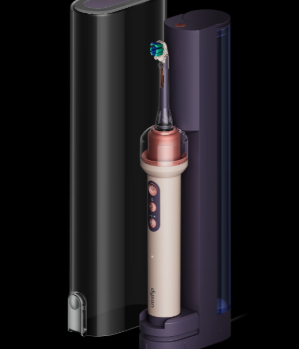

When I first came across the Dyson CameraJet, I had to look twice. Dyson has taken an electric toothbrush, added a tiny camera, and found a way to shoot liquid between your teeth while you brush. It even uses AI to identify the gaps that need cleaning. The idea is that you won’t have to guess whether you’re brushing properly because the CameraJet can show you what’s happening. Sounds pretty clever, doesn’t it? But then I saw the price. At $499.99, this is one very expensive toothbrush. And after looking into its performance, customer complaints and the technology behind it, I’m not convinced it gives you enough extra value to justify spending that much.
Table of Contents
- About the Dyson CameraJet
- How Does the Dyson CameraJet Work?
- Does the Dyson CameraJet Actually Clean Better?
- What Is It Like to Use?
- Dyson CameraJet Reliability Problems
- Dyson CameraJet Price and Running Costs
- Dyson CameraJet Privacy and App Features
- Is the Dyson CameraJet Worth Buying?
- Frequently Asked Questions
About the Dyson CameraJet
The Dyson CameraJet launched in September 2026 as the company’s first electric toothbrush. It combines sonic brushing with a small camera and a liquid-flossing system, so you can clean your teeth and the spaces between them without switching between different devices. The brush head has two types of bristles designed to clean along the gumline and lift surface stains, while the handle contains the camera, liquid tank and pump. It also connects to the MyDyson app, which lets you see your teeth up close and follow your cleaning progress. Dyson’s idea is simple: give people a better view of their mouths and help them clean areas they might normally miss.
How Does the Dyson CameraJet Work?
The little camera inside the brush head is what makes this product different. It captures close-up images of your teeth, while an AI system called Gap Optical Targeting looks for spaces between them. When it detects a gap, the toothbrush automatically releases a small jet of mouthrinse into that area. Dyson says the camera processes 28 images per second and that the system can trigger a jet in around 100 milliseconds. The technology was trained using 470,000 dental images.
There’s also a 12.5ml liquid tank and a special pump designed to deliver the rinse even when you tilt the toothbrush to reach awkward areas. You can use the sonic brushing function on its own, activate the jet separately or let both work together. The MyDyson app shows the camera feed and provides guidance on where to brush. It’s an ambitious idea, although I kept coming back to one question: does all this technology actually leave your teeth noticeably cleaner?
Does the Dyson CameraJet Actually Clean Better?
Some early reviewers were impressed with the results. TechRadar tested the CameraJet for a week and reported that it left their teeth and gums feeling clean. The reviewer also liked the camera feedback, although getting used to the brushing technique took some time. Other testers reported positive cleaning experiences too, which suggests the liquid jet can be useful when everything works properly.
However, Dyson’s own cleaning claims need a little more scrutiny. The company says its specially designed jet removes plaque more effectively than conventional needle-shaped water jets. It has also published findings from a six-week clinical study involving 204 participants, comparing the CameraJet’s brushing and automatic jetting mode with a manual toothbrush. That’s useful, but it doesn’t answer the question I’d really want answered before spending $500: does it clean better than a good electric toothbrush used with ordinary floss or interdental brushes? Dyson’s laboratory work, including tests using specially developed artificial plaque, doesn’t settle that question either. So while the technology looks promising, there’s not enough evidence yet to say that most people will get a meaningful improvement in their dental health.
What Is It Like to Use?
This is where things get a little less impressive. The camera is a genuinely interesting feature because you can see parts of your teeth that are difficult to inspect in an ordinary mirror. The app also gives you a better idea of which areas you’re brushing and where you may be missing spots. For someone who tends to rush through their brushing routine, that feedback could be helpful.
But the CameraJet isn’t always as straightforward as using a normal electric toothbrush. Some reviewers complained about splashing, while others found that toothpaste foam and debris could block the camera. When that happens, the automatic jet may struggle to identify gaps properly. Expert Reviews also found that the system could have trouble around certain areas, including the inside of the lower front teeth. Using a low-foaming toothpaste helps, but it means you have to pay more attention to what you’re putting on your brush. I can see the appeal of watching your teeth on a phone screen, but I don’t think most people want their morning brushing routine to become another gadget they have to troubleshoot.
Dyson CameraJet Reliability Problems
The reliability complaints are probably the part of this product’s launch that caught my attention most. Not long after the CameraJet went on sale, some customers began reporting problems with water entering the device, charging difficulties and toothbrushes that stopped working. Consumer Reports also had trouble with its test unit, which stopped working within 24 hours. A replacement lasted longer, but the reviewer still wasn’t happy with the overall experience.
Dyson eventually addressed the problem in a September 30, 2026 update. The company said one production batch of jet tubes had a manufacturing issue that could cause water seepage and affect performance. It isolated the affected products and temporarily experienced stock shortages before saying production and shipping had resumed. Dyson apologised but didn’t reveal how many toothbrushes were affected. This wasn’t announced as a formal product recall, but it’s still a disappointing problem for a device that costs this much. If you’re considering buying one, I’d check that you’re getting a unit covered by Dyson’s current warranty and return policy rather than assuming the early problems are completely behind it.
Dyson CameraJet Price and Running Costs
The CameraJet launched at $499.99 in the US, £419.99 in the UK and AU$799 in Australia. That’s already a lot to spend on a toothbrush, but you’ll also need to think about what happens after the first few months. Dyson sells replacement brush heads in packs of two for $29.99 in the US and £25 in the UK, and recommends changing them every three months. The system also works best with low-foaming toothpaste and mouthrinse because too much foam can interfere with the camera. You may be able to use other suitable products, but you’ll need to check that they work properly with the device. These aren’t huge expenses individually, but they add to the cost of owning an already expensive toothbrush.
Dyson CameraJet Privacy and App Features
Having a camera inside a toothbrush may sound strange, and I imagine some people will wonder where those images go. Dyson says the camera operates during live viewing or automatic jetting, and that images aren’t recorded or stored on the toothbrush or in the cloud. The MyDyson app provides the live camera view, brushing guidance and cleaning feedback. Those features could be useful, but don’t mistake the camera for a dental examination. It can help you see parts of your teeth more clearly, but it can’t diagnose cavities, gum disease or other dental problems.
Is the Dyson CameraJet Worth Buying?
I like the idea behind the Dyson CameraJet. Having a camera show you where you’re missing spots and a liquid jet clean between your teeth sounds useful, especially for people who struggle to maintain a consistent brushing routine. But there’s a difference between an impressive invention and a product worth $500. The cleaning results are encouraging, but there’s still not enough independent evidence to show that it offers a major advantage over a good electric toothbrush and regular flossing. The early reliability complaints and extra cost of replacement products also make it harder to recommend. If you’re interested in other high-end electric toothbrushes, take a look at our TAO Clean UMMA Diamond review for another look at premium dental-cleaning technology. Personally, I’d rather spend less on a dependable Philips Sonicare or Oral-B toothbrush and use it alongside ordinary floss or interdental brushes. The CameraJet may appeal to people who enjoy expensive new technology, but I’d wait for stronger long-term reliability reports and better evidence of its dental benefits before buying one.
Frequently Asked Questions
Does the Dyson CameraJet replace dental floss?
Not necessarily. Its liquid jet is designed to clean between teeth, but that doesn’t mean everyone should throw away their floss or interdental brushes. Different people have different dental needs, so it’s best to follow your dentist’s advice about what works for your teeth and gums.
Can I use ordinary toothpaste with the Dyson CameraJet?
Dyson recommends low-foaming, SLS-free toothpaste because excessive foam can block the camera and interfere with automatic jetting. You should check whether a toothpaste is suitable before using it rather than assuming your regular toothpaste will work just as well.
How often should I replace the brush heads?
Dyson recommends changing the brush heads every three months. The heads also contain RFID technology that tracks usage and can notify you through the app when it’s time for a replacement.
Is the Dyson CameraJet waterproof?
Dyson lists the device as IPX7 water-resistant on its US product information. However, the company did acknowledge an early manufacturing problem involving water seepage through faulty jet tubes. Water resistance doesn’t mean a device is immune to manufacturing defects.
Where can I buy the Dyson CameraJet?
You can check Dyson’s official website and selected retailers. Availability has been affected by the early production problems, so check current stock, warranty coverage and the return policy before placing an order.
Read also >>> Willis Judd Copper Bracelet Review: Can It Really Help With Joint Pain?