
A small cordless vacuum sounds useful until you discover it can barely pick up the crumbs you bought it to clean. DustaClean is advertised as a convenient solution for car seats, sofas, pet hair, and dusty corners, with powerful suction, HEPA filtration, and discounts that make it look like a bargain. The idea is appealing because nobody wants to drag out a full-sized vacuum every time there’s a little mess. But the complaints surrounding DustaClean suggest that convenience may be the least of a buyer’s worries. Customers have described disappointing suction, unexpected charges, and difficulty obtaining refunds. I wanted to know whether these were isolated experiences or signs of a product being sold with promises it cannot consistently deliver.
Table of Contents
- What I Could Confirm About DustaClean
- Suction Power and Cleaning Performance
- Everyday Use and Maintenance
- Build Quality and Reliability
- DustaClean Customer Reviews
- Price, Checkout, and Refund Problems
- DustaClean vs Other Handheld Vacuums
- What Would Change My Mind
- My Verdict
What I Could Confirm About DustaClean
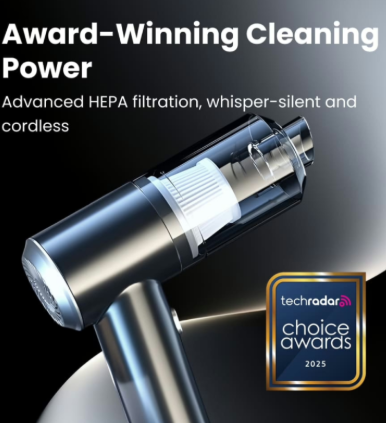
DustaClean is marketed as a lightweight, USB-rechargeable handheld vacuum with a removable dust container, washable filter, and two interchangeable attachments. One is a narrow nozzle for gaps around car seats, dashboards, and furniture, while the other has a brush intended for upholstery and delicate surfaces. The company description on its Trustpilot profile lists 3,500Pa of suction, a weight below one pound, and up to 30 minutes of battery life. Other promotional websites advertise 3,600Pa, while a separate DustaClean sales page claims as much as 60 minutes of operation. That inconsistency makes it difficult to establish which specifications apply to the exact device a customer will receive. The advertising also refers to HEPA filtration, but I couldn’t verify an independent filtration test, filter classification, or detailed technical manual establishing its performance. Another complication is the number of websites promoting the DustaClean name, including dustaclean.com, dusta-clean.com, and thedustaclean.net. Their marketing descriptions overlap, but I couldn’t establish that every domain is operated by the same company or supplies an identical model. The product itself appears to be a basic portable vacuum rather than a newly developed cleaning technology. Without a clearly identified manufacturer and model number, buyers have limited information for comparing its components or obtaining replacement parts.
Suction Power and Cleaning Performance
The most important thing about a vacuum is whether it actually removes dirt, and this is where DustaClean’s reputation becomes difficult to ignore. The advertised 3,500Pa suction rating describes a pressure difference, not the complete cleaning performance of the machine. Airflow, nozzle design, motor efficiency, and the ability to maintain suction as the filter collects dirt also matter. A small vacuum can produce a respectable pressure reading while still struggling to move enough air to collect heavier debris or embedded pet hair. DustaClean’s advertising promises effective cleaning across carpets, upholstery, and hard surfaces, with some promotional material claiming it removes 99% of dust and allergens. I couldn’t find an independently documented test supporting that percentage for the finished product. Customer feedback is considerably less encouraging. On Trustpilot, reviewers have described receiving vacuums that struggle with ordinary crumbs, feel underpowered, or perform nothing like the demonstrations. One July 2026 reviewer specifically complained that the machine could barely pick up breadcrumbs. An October 2026 review published on Ibisik also described very weak suction after the writer purchased and used the device. These are individual experiences rather than controlled laboratory measurements, and some buyers report satisfactory performance on very small messes. Nevertheless, the pattern suggests DustaClean may be adequate for loose surface dust while being unreliable for the more demanding cleaning jobs used to promote it. I wouldn’t buy it expecting to replace a household vacuum or thoroughly clean heavily soiled car upholstery.
Everyday Use and Maintenance
DustaClean’s compact design is its most practical advantage. A vacuum small enough to keep in a drawer or glove compartment is easier to reach for occasional crumbs than a large machine that needs assembling or plugging into a wall socket. USB charging also removes the need for a dedicated charging station, although the advertised 30-minute runtime hasn’t been independently verified under consistent test conditions. The device is intended for dry debris, so it shouldn’t be used to collect spilled drinks or other liquids. After cleaning, users are expected to empty the dust container and remove accumulated material from the filter. The filter can reportedly be washed, but it needs to dry completely before being reinstalled. Otherwise, moisture could affect airflow or damage the motor. This is an important ownership detail because small vacuum filters can clog quickly, particularly when collecting fine dust. DustaClean’s narrow nozzle should help with accessible crevices, but a compact vacuum won’t necessarily reach deeply into thick upholstery or carpeting. The limited dust-container capacity also means more frequent emptying than with a conventional vacuum. None of these characteristics is inherently a defect. They’re ordinary compromises associated with portable cleaning equipment. The problem is that DustaClean’s advertising sometimes presents the convenience of a miniature vacuum as though it comes with the cleaning capability of a much larger machine.
Build Quality and Reliability
I couldn’t verify detailed information about DustaClean’s motor construction, battery chemistry, housing materials, or expected service life. That makes it difficult to assess long-term reliability from the specifications alone. However, customer accounts provide some useful observations about the units delivered. The Ibisik reviewer who purchased DustaClean for £84, including shipping, described a lightweight but flimsy device whose nozzle attachment repeatedly fell off during use. That is a specific reported fault rather than an unavoidable limitation of small vacuums. An attachment that doesn’t remain securely fitted can interrupt cleaning and reduce the effectiveness of whatever suction the motor produces. Other Trustpilot customers have described cheap-feeling construction and disappointing product quality, although their experiences don’t establish that every unit has identical problems. I also couldn’t confirm that replacement batteries, filters, nozzles, or motors are readily available through a dependable parts programme. A washable filter may reduce routine consumable costs, but it won’t last indefinitely, and the usefulness of a rechargeable vacuum depends partly on whether its battery can be replaced when capacity declines. At the prices being charged, I’d expect clearer information about spare parts and warranty support. Without that, DustaClean looks more like a disposable budget appliance being sold at a premium than a product designed for years of maintainable use.
DustaClean Customer Reviews
The independent customer feedback is one of the strongest reasons for caution. As of October 2026, the DustaClean profile associated with dustaclean.com has approximately 221 Trustpilot reviews and a rating of 2.2 out of 5. Around 68% of the reviews are one-star ratings. That distribution doesn’t prove every complaint is accurate, and the profile includes positive feedback, but it is a poor result for a product promoted through enthusiastic customer testimonials. More importantly, several positive reviews focus on how easy it was to place an order rather than whether the vacuum works. One five-star reviewer in October explicitly said they were still waiting to receive the product. That’s not meaningful evidence of cleaning performance. The negative accounts are more detailed, with buyers describing the delivered product, the problems they encountered, and their attempts to resolve them. Some customers report receiving their orders eventually, while others describe substantial delivery delays. One reviewer said their order took five months and was eventually refunded after the shipment failed to reach them. DustaClean has responded publicly to many complaints, sometimes disputing the customer’s interpretation and offering further assistance. Those responses show that the company is engaging with at least some reviewers, but they don’t independently establish that every issue was resolved. I would give greater weight to documented ownership experiences than to promotional ratings displayed on the sales pages.
Price, Checkout, and Refund Problems
DustaClean’s pricing is another area where I would be especially careful. One promotional retailer lists the vacuum at $59.75 against a crossed-out price of $139.98, while another sales page advertises discounts of up to 65%. I couldn’t verify that the higher reference prices represent established previous selling prices, so the claimed savings shouldn’t be accepted without question. A customer who pays around $60 to $80 for this device is entering a price range where established handheld vacuum brands offer alternatives with clearer specifications. But the more concerning issue is what some buyers say happens during checkout. Multiple Trustpilot reviewers report being charged for more items than they intended to purchase or seeing a final payment substantially higher than expected. One October reviewer claimed their card was charged $65 more than the invoiced amount, while another said they intended to order two units but received an invoice for three. DustaClean disputes the suggestion that items are added without authorisation and says additional offers are optional. The company also acknowledges presenting extra offers during checkout. Regardless of how those disagreements arose, buyers should review the final order summary carefully and keep a copy of the amount they approved. Refund experiences are similarly mixed. Some customers say they eventually received their money, while others describe unanswered messages and prolonged delays. Different promotional websites also advertise different guarantee periods, including 30 and 60 days, so I wouldn’t assume a guarantee shown on one domain applies to an order placed through another. The exact seller’s return address, refund conditions, and payment terms need to be established before purchase.
DustaClean vs Other Handheld Vacuums
The sensible alternative to DustaClean isn’t necessarily an expensive cordless stick vacuum. It’s a properly documented handheld cleaner designed for the same small jobs. Models from established manufacturers such as Black+Decker and Shark offer compact options for car interiors, furniture, and occasional household messes. Their exact prices and capabilities vary, but buyers can usually identify the model, locate operating instructions, compare independent tests, and find information about replacement filters or warranty service. Those advantages matter more than a dramatic promotional discount. A slightly larger handheld may be less convenient to keep in a glove compartment, but it can offer a bigger dust container, more usable attachments, or better performance on upholstery. I’d compare actual pickup demonstrations involving crumbs, fine dust, and pet hair rather than relying on suction figures alone. A vacuum with a higher advertised pressure rating isn’t automatically superior, but a model with documented cleaning results is easier to judge than one whose specifications change across promotional pages. For someone who only wants to remove occasional dust from a desk or keyboard, an inexpensive miniature vacuum may be sufficient. For cleaning car seats, floor mats, and embedded debris, I’d rather spend money on a proven handheld than gamble on DustaClean’s marketing.
What Would Change My Mind
I’d reconsider DustaClean if the seller identified the exact manufacturer and model, published consistent specifications, and provided independent demonstrations showing what the vacuum can collect under realistic conditions. I’d also want evidence that checkout complaints have been addressed and that customers can obtain refunds without prolonged disputes. A lower price might improve its value as a basic dust collector, but it wouldn’t resolve concerns about unreliable performance or poor customer service.
My Verdict
I would avoid DustaClean. The product itself isn’t imaginary, and some customers have received functioning handheld vacuums, so I wouldn’t claim that every order is fraudulent. But the combination of weak reported performance, uncertain hardware quality, and serious purchasing complaints makes it difficult to recommend. Someone who needs a small vacuum for occasional cleaning can find alternatives with better-documented capabilities and more dependable support. DustaClean’s portability is appealing, but convenience means little when buyers cannot confidently establish what they’ll receive or how easily problems will be resolved.
Read Also >>> Xodbrakes.com EXPOSED: Scam or Legit?