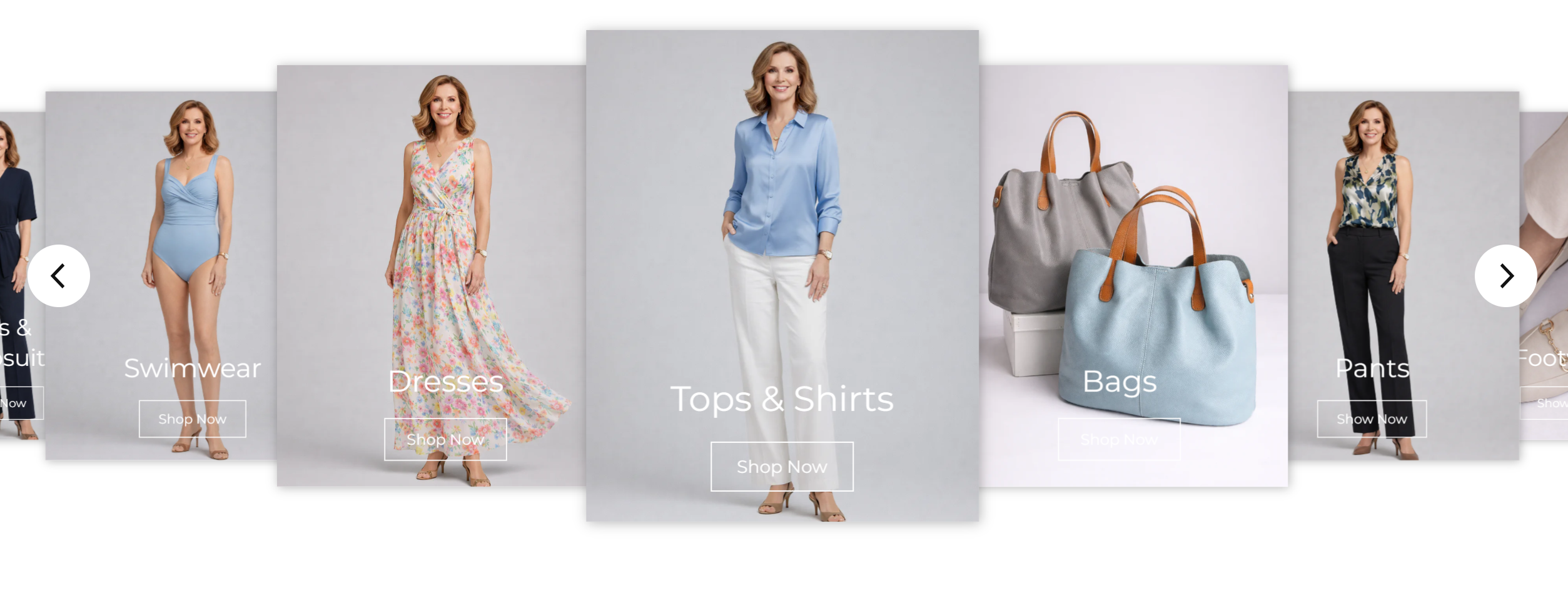

Caroline & Grace is one of those online fashion stores that immediately tries to create a sense of comfort and trust. The branding focuses on timeless style, quality fabrics, and clothing designed for confident women, while the ongoing Spring Sale advertises discounts of up to 70% off.
The question is whether you’re looking at an established fashion boutique or a newer online store relying heavily on branding and promotional pricing. I spent some time digging into Caroline & Grace to see what sits behind the storefront.
Quick Takeaways
- Caroline & Grace sells women’s fashion and casual clothing.
- The store heavily promotes a 70% OFF Spring Sale.
- The domain was created in March 2026 and expires in March 2027.
- WHOIS ownership information is hidden through a privacy service.
- The brand’s independent reputation appears limited.
- Proceed with caution before placing an order.
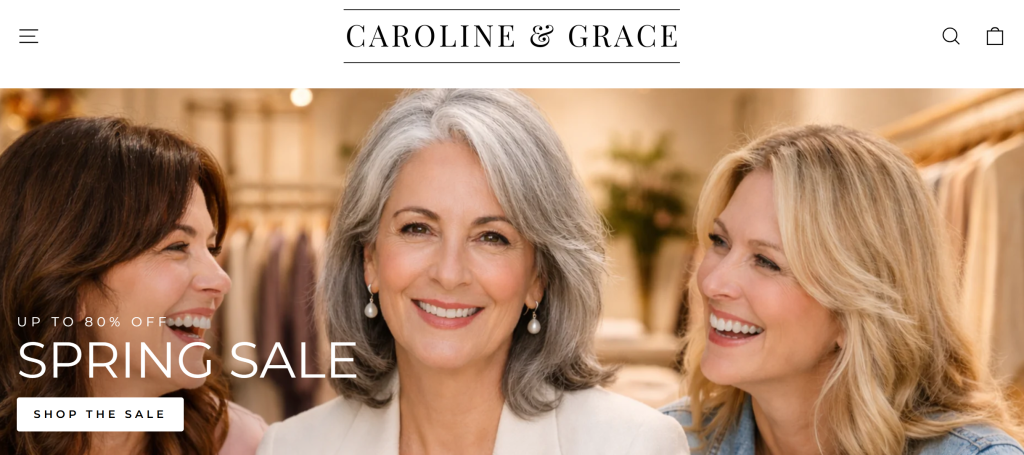
Table of Contents
- Quick Takeaways
- What Is Caroline & Grace Selling?
- Red Flags
- What Happens After You Place An Order?
- The Expectation Gap
- Why The Story Starts To Feel Thin
- A Pattern I Keep Seeing
- What To Do If You’ve Ordered
- Is Caroline & Grace Legit or a Scam?
- Conclusion
- FAQ
What Is Caroline & Grace Selling?
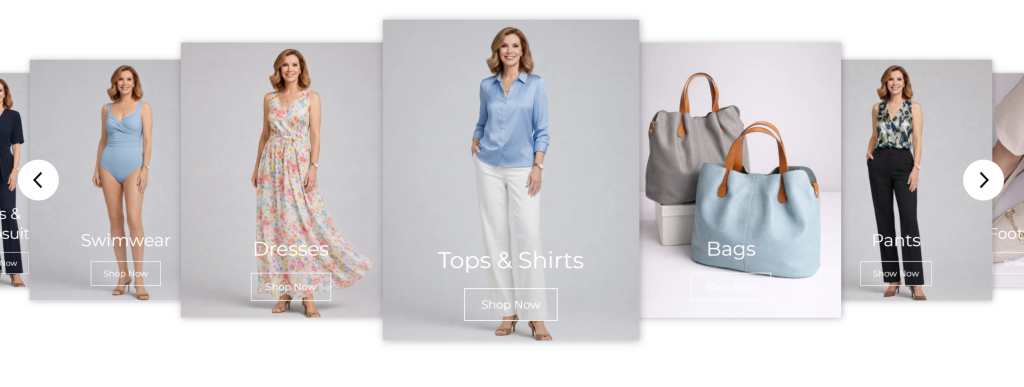
Caroline & Grace focuses on women’s fashion, including dresses, tops, casual wear, and everyday clothing designed around comfort and timeless styling.
The branding revolves around simplicity and emotional appeal. Rather than selling trends, the store positions itself as a destination for women who already know their style and want clothing that feels comfortable, flattering, and easy to wear. What stood out to me wasn’t necessarily the products themselves. It was how much emphasis was placed on feelings. Confidence, comfort, elegance, lifestyle, and personal connection appear throughout the site’s messaging.
There’s nothing wrong with that. The concern is when emotional branding starts carrying more weight than verifiable business history.
Red Flags
Weak Domain History
One of the first things I check with online stores is how long they’ve been operating. The Caroline & Grace domain was created in March 2026 and is currently set to expire in March 2027.
That’s a very short operating history for a fashion brand presenting itself as an established boutique. Most long-running retailers leave behind years of customer feedback, social engagement, media mentions, and a visible reputation trail. Here, that footprint appears relatively limited.
Hidden Ownership Details
WHOIS records show the registrant is protected through Contact Privacy Inc. in Toronto, Canada. Privacy protection is common and not automatically suspicious. However, when combined with a recently registered domain and limited brand history, it becomes more difficult to verify who is actually operating the business.
Emotion-Driven Marketing
Much of the Caroline & Grace story focuses on how women should feel when wearing the clothing. The store talks extensively about confidence, comfort, timeless elegance, and lifestyle rather than providing much background about the company itself.
As I read through the site, I learned far more about how the brand wants customers to feel than who is actually behind the business.
Heavy Promotional Pricing
The 70% OFF Spring Sale is one of the first things visitors see. Large discounts aren’t automatically a red flag, but when aggressive promotions become one of the strongest selling points, it’s worth slowing down and looking deeper before purchasing.
What First Made Me Suspicious
A few things kept pulling my attention back:
- 70% discounts across large portions of the store
- A very recent domain registration
- Hidden ownership information
- Heavy reliance on emotional branding
- Limited independent brand history
Individually, none of these prove anything. Together, they create a pattern I’ve seen many times before.
What Happens After You Place An Order?
This is usually where online stores separate themselves from their marketing. The purchase itself is often straightforward. You place an order, receive a confirmation email, and everything appears normal. The real test comes afterward. For newer online stores with limited transparency, customer concerns often begin during the waiting stage. Shipping delays, inconsistent communication, or difficulty obtaining updates can become more noticeable after payment has already been made. That doesn’t mean every order results in problems. It simply means the risk becomes harder to evaluate beforehand.
The Expectation Gap
One issue that frequently appears with heavily advertised fashion stores is the gap between expectation and reality. Professional product photography can create expectations about fabric quality, fit, color, and overall finish.
When the delivered product doesn’t fully match those expectations, disappointment follows quickly. That’s often where customer trust starts to weaken.
Why The Story Starts To Feel Thin
The more established a fashion brand is, the easier it usually becomes to verify its history. With Caroline & Grace, I found plenty of messaging about comfort, confidence, quality, and timeless style.
What I found less of was a verifiable track record showing how long the business has actually been serving customers. That doesn’t automatically make the store fraudulent. It does make independent verification more difficult.
A Pattern I Keep Seeing
Caroline & Grace reminds me of several fashion stores I’ve reviewed recently, including Audrey and Evelyn, Élise de Vancouver, and Lucy and Claire Charleston Boutique.
The storefront looks polished, the discounts create urgency, and the branding focuses heavily on emotional connection. But once you start looking for deeper trust signals, the picture becomes less clear. That doesn’t mean they’re the same business. It means they’re following a very similar playbook.
What To Do If You’ve Ordered
If you’ve already placed an order, don’t panic.
Keep copies of:
- Your order confirmation
- Payment receipts
- Product page screenshots
- Email conversations with support
If problems arise later, this documentation can make disputes and refund requests much easier to handle.
Is Caroline & Grace Legit or a Scam?
After reviewing the store, I wouldn’t place Caroline & Grace in the same category as established fashion brands with long, verifiable histories. The biggest concern isn’t one major red flag.It’s the combination of a newly registered domain, hidden ownership information, heavy discount marketing, and a relatively limited reputation footprint.
At the very least, shoppers should approach carefully and avoid impulse purchases.
Conclusion
By the end of my research, Caroline & Grace felt more like a marketing-driven fashion storefront than a clothing brand built around a long-established reputation. The products may look appealing, but there isn’t enough transparency behind the business to inspire strong confidence.
FAQ
Is Caroline & Grace a legitimate clothing store?
It operates as an online fashion retailer, but there are enough trust concerns that shoppers should proceed carefully.
When was Caroline & Grace created?
The domain was registered in March 2026 and is currently set to expire in March 2027.
Why is Caroline & Grace offering 70% off?
The store uses large discounts as a major part of its marketing strategy to encourage purchases.
Who owns Caroline & Grace?
The ownership information is hidden through a WHOIS privacy service, making independent verification difficult.
Should I buy from Caroline & Grace?
Only after doing your own research and understanding the potential risks involved.