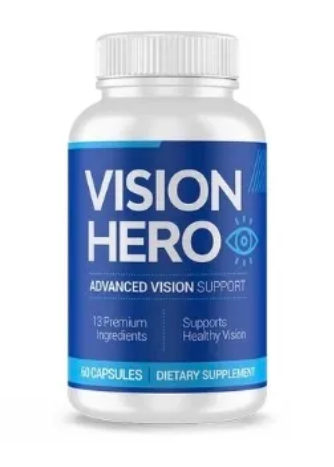

Vision Hero is being advertised as a natural way to improve eyesight, reduce floaters, and restore clear vision without expensive treatments. Some promotions go even further, suggesting that people struggling with age-related vision problems can regain the eyesight they had years ago simply by taking a daily capsule.
I became interested in Vision Hero after coming across reports of advertisements using Dr. Phil and Steve Harvey to promote it. When I looked into the product, I found several websites claiming to be its official seller, different descriptions of the ingredients, and promises that don’t match the available medical evidence. The supplement itself appears to exist, but there’s considerably more to this story than the advertisements suggest.
Quick Takeaways
- Product: Vision Hero, a daily eye-health supplement.
- Celebrity ads: Apparent AI-generated endorsements involving Dr. Phil and Steve Harvey.
- Claims: Clearer eyesight, improved night vision, reduced floaters, and retinal protection.
- Ingredients: Lutein, zeaxanthin, antioxidants, vitamins, and botanical extracts.
- Price: Advertised from $49 per bottle in selected packages.
- Verdict: A real supplement offering with unproven vision-restoration claims and misleading promotions.
Table of Contents
- Quick Takeaways
- What Is Vision Hero?
- The Dr. Phil and Steve Harvey Videos Aren’t Genuine Endorsements
- The Hidden Eye Toxin Story Makes the Claims Sound Scientific
- Vision Hero’s Ingredients Aren’t Consistent Across Its Websites
- Multiple Websites Claim to Be the Official Vision Hero Store
- Pricing and Refund Terms
- Side Effects and Safety Concerns
- Is Vision Hero Legit or a Scam?
- What To Do If You Already Ordered Vision Hero
- Conclusion
What Is Vision Hero?
Vision Hero is a dietary supplement marketed primarily to adults experiencing blurry vision, eye strain, difficulty reading small print, and other changes associated with aging. Its sales pages describe a once-daily capsule containing nutrients intended to support the retina and protect the eyes from oxidative damage. Some versions of the marketing focus on general eye health, while others suggest the product can help people see clearly again without relying on glasses or conventional treatments.
The advertisements are particularly appealing to older adults worried about losing their independence. Testimonials describe people returning to night driving, reading comfortably, and noticing dramatic improvements after several weeks. One promotional page even suggests that a 77-year-old customer regained eyesight comparable to someone decades younger. These are powerful claims, but the stories presented by the seller aren’t independently verified medical results.
The Dr. Phil and Steve Harvey Videos Aren’t Genuine Endorsements
Vision Hero has been associated with advertisements featuring apparent AI-generated videos of Dr. Phil and Steve Harvey. These promotions use recognizable faces and voices to make the supplement look like something recommended by trusted television personalities. The presentation may resemble a television interview, a health discussion, or a celebrity revealing an overlooked medical discovery.
I couldn’t verify any genuine endorsement of Vision Hero from either Dr. Phil or Steve Harvey. The videos should therefore not be treated as evidence that either person has used, tested, or recommended the capsules. Celebrity impersonation is particularly troubling in health advertising because viewers may trust the familiar personality without realizing that the footage has been manipulated. A convincing voice or facial expression doesn’t establish that the person actually said those words.
The Hidden Eye Toxin Story Makes the Claims Sound Scientific
Several Vision Hero sales pages promote a theory involving lipofuscin, a pigment that can accumulate in cells with age, and the retinal pigment epithelium, a layer of cells that supports the retina. According to the marketing, Vision Hero helps eliminate harmful buildup, repair the eye’s protective structures, and restore visual clarity. Some versions describe this process as rebuilding a damaged “vision wall.”
Lipofuscin and the retinal pigment epithelium are real subjects of eye research, but the advertisement turns complicated biology into a remarkably simple treatment story. Age-related vision problems have many causes, including cataracts, glaucoma, macular degeneration, diabetic eye disease, and ordinary changes in focusing ability. There is no convincing published clinical evidence that Vision Hero removes retinal lipofuscin in humans or reverses these conditions. I also couldn’t find a controlled trial demonstrating that the finished supplement restores 20/20 vision.
Vision Hero’s Ingredients Aren’t Consistent Across Its Websites
One version of the Vision Hero formula lists alpha-lipoic acid, lutein from marigold extract, zeaxanthin, grape seed extract, taurine, eyebright, and other antioxidants. Another website advertises vitamin A, zinc, bilberry, quercetin, and additional plant compounds. Some descriptions refer to a proprietary blend, making it difficult to determine the exact amount of each botanical ingredient.
Lutein and zeaxanthin have legitimate roles in eye health because they are pigments found in the macula. Certain nutritional formulations, particularly AREDS2, have also been shown to reduce the risk of progression to advanced age-related macular degeneration in specific groups of patients. However, that research doesn’t mean every supplement containing lutein can improve eyesight, and it certainly doesn’t prove that Vision Hero can reverse established eye disease. Without one consistent Supplement Facts label and clear ingredient quantities, it’s difficult to assess exactly what customers are purchasing.
Multiple Websites Claim to Be the Official Vision Hero Store
I found several websites using the Vision Hero name, many with nearly identical layouts, promotional claims, and 180-day money-back guarantees. Some describe different ingredient combinations, while others use the same $49-per-bottle offer. One page advertises almost 48,000 verified customer reviews and a perfect five-star rating, but doesn’t provide enough independent evidence to substantiate those numbers.
The websites also contain mistakes that make me question how carefully they’re maintained. One page accidentally tells customers to order “NervEase” instead of Vision Hero, while another describes a 60-day refund period in the same explanation that promises 180 days. Several pages claim the supplement is manufactured in an FDA-registered facility, but one also displays an “FDA Approved” label. Facility registration is not FDA approval of a supplement. These inconsistencies make it difficult to identify the original seller and determine which purchasing terms actually apply.
Pricing and Refund Terms
Vision Hero is advertised at different prices depending on the website and package. One sales page offers two bottles at $79 each, three at $69 each, or six at $49 each. That means the cheapest advertised price requires purchasing six bottles for $294, rather than spending just $49 to try the product. Shipping charges may also apply to smaller orders.
The advertised 180-day guarantee sounds reassuring, but a refund promise is only useful when the company handling the payment can be identified and contacted. Some Vision Hero pages identify ClickBank as the retailer, which provides a recognizable payment intermediary. Others are less clear about the business behind the sale. I would verify the checkout provider, actual order total, and refund conditions before entering payment information, rather than assuming every website displaying the Vision Hero name offers the same protections.
Side Effects and Safety Concerns
Vision Hero is promoted as natural, but natural ingredients can still cause side effects or interact with medication. Alpha-lipoic acid may cause nausea or lower blood sugar, while grape seed extract and some other botanicals may affect bleeding risk or interact with medicines. High doses of certain vitamins and minerals can also be harmful, particularly when combined with other supplements.
Anyone taking medication for diabetes, blood pressure, or blood clotting should check the complete formula with a healthcare professional. More importantly, new floaters, flashes of light, sudden blurred vision, or a dark shadow across the visual field should never be treated with supplements alone. These symptoms can indicate an urgent eye problem requiring prompt medical assessment.
Is Vision Hero Legit or a Scam?
Vision Hero appears to be an actual supplement being offered for sale, so I wouldn’t describe it as a completely imaginary product. However, the advertising campaigns using fabricated endorsements from Dr. Phil and Steve Harvey are deceptive. The sales process has also involved fake news-style pages designed to make promotional claims appear like independent medical discoveries.
I wouldn’t trust Vision Hero as a treatment for vision loss. The lack of convincing product-specific clinical evidence, conflicting information across websites, and questionable promotional tactics give me enough reason to avoid buying it through these offers.
What To Do If You Already Ordered Vision Hero
Check your receipt to identify the company that processed your payment, especially if you purchased through a promotional link rather than a recognizable store. Save the advertisement, order confirmation, refund terms, and any correspondence with customer support. If you want a refund, contact the seller or payment processor within the stated guarantee period and request written confirmation.
If you were charged more than you authorized, received an unwanted recurring payment, or cannot resolve a legitimate refund dispute, contact your card provider. Don’t discontinue prescribed eye treatment because of the supplement’s advertisements, and arrange an eye examination if your vision has been deteriorating.
Conclusion
After investigating Vision Hero, I found a supplement promoted through fake celebrity videos, exaggerated vision-restoration claims, and a confusing collection of sales websites. Some of its advertised nutrients have legitimate roles in eye health, but that doesn’t establish the dramatic improvements promised in the advertisements.
I wouldn’t recommend purchasing Vision Hero based on these promotions. Anyone experiencing vision problems would be better served by finding out what’s causing them and discussing evidence-based treatment with an eye specialist.
Check Out // Tmrw Daily Reviews 2026: Does This Longevity Supplement Really Work?