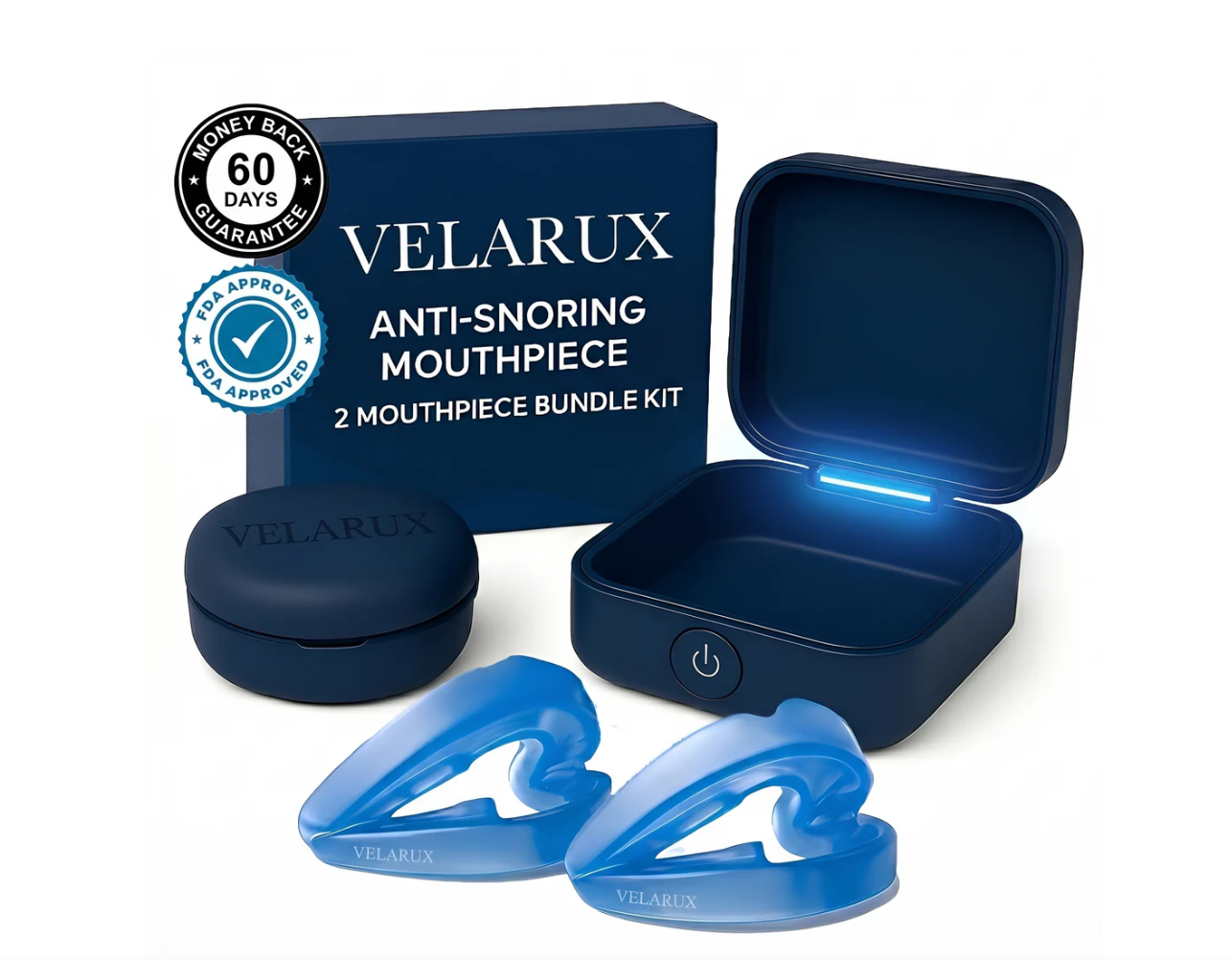

If you’ve seen the Velarux Anti-Snoring Mouthpiece popping up in ads lately, you’ve probably noticed how convincing the marketing looks. Better sleep. Quiet nights. Happy couples. “Scientifically designed” airflow support. The whole thing is packaged like a breakthrough solution for snoring.
But after digging into how these products are usually marketed, the real question becomes this:
Is Velarux actually a good anti-snoring device, or is it another generic mouthpiece wrapped in strong advertising?
Quick Takeaway
- The Velarux Anti-Snoring Mouthpiece is likely a standard jaw-advancing device with familiar mechanics
- It may reduce snoring for some users, especially mild cases, but results are not guaranteed
- Comfort is the biggest deciding factor, and many users struggle with long-term wear
- The marketing feels stronger and more polished than the actual brand credibility behind it
- Limited independent reputation and weak transparency raise caution flags
- Overall impression: potentially useful product, but not as “miracle-level” as the ads suggest
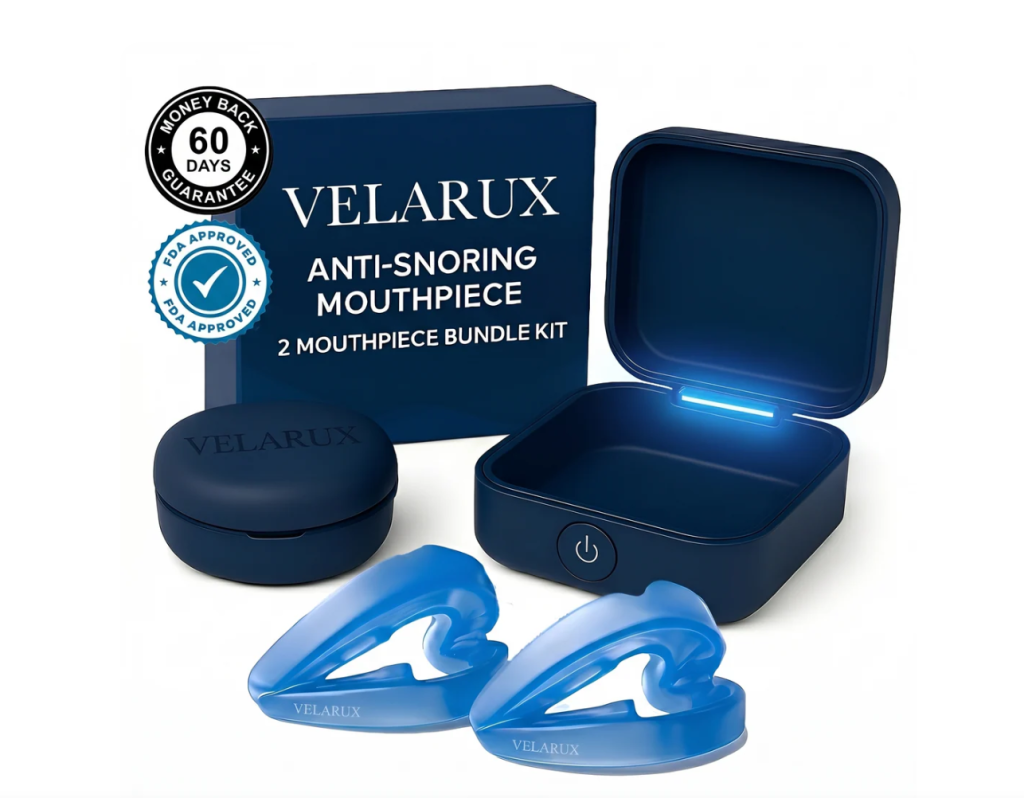
Table of Contents
- Quick Takeaway
- What It Is and Claims To Do
- Why The Ads Look So Powerful
- First Impressions
- What Using This Type of Mouthpiece Is Actually Like
- Independent Reviews
- When It Can Actually Be Useful
- Red Flags I Noticed
- Is Velarux Legit?
- Alternatives Worth Considering
- Final Take
- FAQ
What It Is and Claims To Do
The Velarux Anti-Snoring Mouthpiece is essentially a mouth guard designed to reposition the lower jaw slightly forward while you sleep. The goal is to help keep the airway more open and reduce vibration in the throat that causes snoring.
This type of device is commonly called a mandibular advancement device (MAD), and the science behind the concept is real. Established anti-snoring products like SnoreRx use the same general mechanism.
The problem is that effectiveness with these products varies massively from person to person. Some people experience noticeable improvements. Others stop using them after a few nights because of jaw pain, discomfort, drooling, headaches, or poor fit.
Why The Ads Look So Powerful
This is honestly one of the most interesting parts. The Velarux ads follow a marketing formula I keep seeing across viral wellness gadgets:
- emotional sleep-deprivation storytelling
- tired partner frustration angles
- dramatic “before and after” promises
- medical-style graphics
- urgency discounts
- “limited stock” pressure
- phrases like “clinically designed” or “doctor inspired”
The site tries hard to make the product feel premium and medically advanced even though the actual device appears very similar to many generic anti-snoring mouthpieces already sold online.
A pattern I noticed is that these brands often market the experience more aggressively than the product itself. The ads sell the fantasy of finally sleeping peacefully again, which is emotionally powerful if someone has been dealing with loud snoring for years.
First Impressions
My first impression was that the branding looked polished, but once I dug deeper, it started feeling more like a short-term ecommerce operation than a long-established sleep company.
One thing that immediately raised my eyebrows was the domain reputation. According to Scam Detector, velaruxstore.com had a very low trust score and was flagged as suspicious, unsafe, and doubtful. The domain itself also appeared extremely new.
That doesn’t prove the product is a scam on its own, but newer domains combined with aggressive advertising and limited brand history always make me more cautious.
What Using This Type of Mouthpiece Is Actually Like
This is where expectations need to be realistic. Anti-snoring mouthpieces are not magical “works overnight for everyone” products no matter how the ads frame them.
From broader user experiences with similar products, the biggest issue usually isn’t whether the jaw-forward concept works. It’s comfort.
A lot of people report:
- jaw soreness
- tooth pressure
- waking up to adjust the device
- excessive drooling
- difficulty sleeping naturally with it in
Some eventually adapt and get decent results. Others give up after a week. One Reddit user discussing similar mouthpieces said the first nights were “horrible” because of teeth pain and discomfort before partial improvement later.
Another recurring complaint with anti-snoring devices is bulkiness. People often discover they technically reduce snoring but are too uncomfortable to wear consistently.
Independent Reviews
This is where things became mixed. I could not find a strong volume of long-term verified customer feedback specifically for Velarux itself, which is already something I pay attention to.
What I did find was a very familiar pattern across similar anti-snoring mouthpiece brands:
- complaints about discomfort
- refund frustrations
- exaggerated marketing
- poor durability
- inconsistent results
For example, reviews for SnoreRx on Trustpilot show many complaints about jaw pain, poor comfort, and refund issues despite some users reporting reduced snoring. Similar criticism appears across other aggressively marketed anti-snoring brands as well.
That tells me the issue may not just be one company. It’s the entire category of heavily advertised “miracle sleep” mouthpieces.
When It Can Actually Be Useful
I do think these devices can help certain people. Based on the overall research, anti-snoring mouthpieces seem most useful for:
- mild to moderate snoring
- people whose snoring is linked to jaw position
- users willing to go through an adjustment period
- people looking for a cheaper alternative before considering CPAP or custom dental devices
Some Reddit users genuinely reported reduced snoring with mandibular advancement devices after adjusting to them. But expectations matter. If someone has severe sleep apnea, major airway issues, or expects instant perfect sleep after one night, disappointment is probably more likely.
Red Flags I Noticed
This is the part that would personally stop me from rushing to order. The biggest red flags were:
- very new domain registration
- weak online reputation
- low trust scores from scam-detection sites
- lack of established company history
- heavy emphasis on emotional advertising
- very little transparent information about manufacturing or clinical backing
The domain velaruxstore.com was reportedly registered in March 2026 and scored poorly on scam-analysis platforms. That alone doesn’t automatically make the product fraudulent, but it definitely weakens trust.
Another thing I noticed is how common rebranded anti-snoring devices are. Several investigations into similar products found many were essentially cheap generic mouthpieces marketed as premium medical-grade innovations.
Is Velarux Legit?
I’d describe Velarux as “possibly functional but not fully trustworthy.”
The actual mouthpiece concept is legitimate because mandibular advancement devices are real and can reduce snoring for some users.
But the company behind Velarux does not currently give me the same confidence as more established sleep-device brands.
So my honest impression is:
- the product itself may work for some people
- the marketing likely oversells the experience
- the brand trust signals are currently weak
- buyers should be cautious about expectations and refund policies
Alternatives Worth Considering
If someone is serious about reducing snoring, I’d personally feel safer researching more established options like:
- SnoreRx
- ZQuiet
- professionally fitted dental devices
- proper sleep apnea testing if symptoms are severe
Even then, comfort and consistency still seem to be the biggest deciding factors. This also ties into something I covered in my review of other aggressively marketed wellness gadgets where emotional advertising often creates expectations the product can’t fully live up to.
Final Take
After researching the Velarux Anti-Snoring Mouthpiece, I don’t think it looks like an outright fake product. The jaw-forward mechanism behind anti-snoring mouthpieces is legitimate and does help some people.
What concerns me more is the branding and trust side of things. The site feels very new, the marketing feels extremely polished compared to the amount of independent reputation available, and the overall pattern reminds me of many short-term ecommerce wellness brands that rely heavily on ads and emotional selling.
Could it help reduce snoring? Possibly. Would I blindly trust the dramatic promises in the ads? Definitely not.
FAQ
Does the Velarux Anti-Snoring Mouthpiece actually work?
It may help reduce snoring for some people, especially mild snorers, but results with mandibular advancement devices are inconsistent.
Is Velarux FDA approved?
I could not find strong independent verification of FDA approval claims tied specifically to Velarux.
Why do anti-snoring mouthpieces hurt?
Many users report jaw soreness, teeth pressure, and discomfort because the device physically shifts the jaw position during sleep.
Is Velarux a scam?
I wouldn’t call it a confirmed scam, but the low trust signals and new domain history make it a product I’d approach cautiously.
Are there better anti-snoring alternatives?
More established brands and professionally fitted dental devices generally appear more trustworthy and better supported long term.
Also Read >>> NeuroPrime Drops Exposed: What You Should Know Before Buying