
SodaFit is being promoted through a baking soda weight loss trick that supposedly helps people lose stubborn belly fat without dieting or taking weight loss injections. Some of the advertisements feature Dr. Oz, Oprah Winfrey, and Kelly Clarkson, making it look like they’ve discovered or endorsed a cheap homemade recipe. But the recipe isn’t really what the advertisers want people to buy. After watching a lengthy presentation, viewers are directed to SodaFit, a liquid weight loss supplement that costs considerably more than a box of baking soda. I looked into the advertisements and the product being sold, and the biggest problem isn’t just whether SodaFit works. It’s how people are being persuaded to buy it.
Table of Contents
- What Is SodaFit?
- The Baking Soda Trick Is Being Used to Sell Supplements
- The Dr. Oz, Oprah, and Kelly Clarkson Videos
- There Is No Clinical Trial Showing SodaFit Causes Weight Loss
- SodaFit Ingredients and Dosage
- Can Baking Soda Really Help You Lose Weight?
- Side Effects and Safety Concerns
- SodaFit Pricing and Refund Policy
- Customer Reviews and Complaints
- My Verdict: Is SodaFit a Scam?
What Is SodaFit?
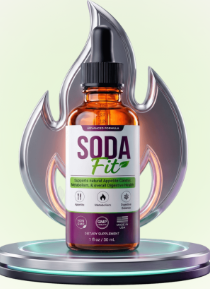
SodaFit is a liquid dietary supplement advertised for appetite control, metabolism, and digestive support. The website at soddafit.com sells it in 30mL bottles and recommends taking one full dropper daily, either under the tongue or directly into the mouth. Despite the name and the baking soda advertisements, the formula doesn’t list sodium bicarbonate, which is the chemical name for baking soda. Instead, it contains chromium, African mango seed extract, green tea leaf extract, guarana seed extract, maca root extract, and grape seed extract. The website describes SodaFit as an American-made supplement produced according to GMP quality standards, but I couldn’t establish the identity of the actual manufacturer or verify those production claims through an independent laboratory report. The site also contains an affiliate commission disclosure, so the page promoting the product may not be operated directly by its manufacturer. That’s worth knowing because several websites and advertising pages use the SodaFit name, and their claims aren’t always consistent.
The Baking Soda Trick Is Being Used to Sell Supplements
The advertising is the main reason I don’t trust this offer. One documented SodaFit promotion starts with a Facebook advertisement about a simple baking soda recipe. It then takes viewers to a long video that supposedly explains how an ordinary kitchen ingredient can help them lose weight quickly. The presentation includes claims about someone going from 208 pounds to 134 pounds and suggests that more than 115,000 American women have already used the method. But the recipe itself keeps changing. Different parts of the promotion mention baking soda, apple cider vinegar, lemon, honey, water, and an unidentified white powder. Instead of giving viewers a clear, tested recipe, the presentation eventually leads to a purchase offer for SodaFit. I also found reports of a countdown timer on the checkout page and customer comments that couldn’t be independently verified. A countdown timer isn’t automatically fraudulent, but if it resets when the page is refreshed, it isn’t a reliable indication that an offer is about to expire. The whole arrangement is misleading because people are drawn in by the promise of a cheap homemade solution and end up being asked to spend money on a supplement with no demonstrated connection to the supposed trick.
The Dr. Oz, Oprah, and Kelly Clarkson Videos
SodaFit has also been associated with promotional videos featuring Dr. Oz, Oprah Winfrey, and Kelly Clarkson. These celebrities are regularly used in weight loss advertising because people recognize them and may assume they wouldn’t recommend something without good reason. However, I couldn’t find an authentic statement or official endorsement showing that any of them recommended SodaFit. Investigations of the wider baking soda weight loss campaign have identified AI-generated celebrity videos, altered interviews, and fake television-style reports. The same basic story has appeared under different product names, sometimes using Oprah and a Yale obesity specialist, Dr. Ania Jastreboff, and sometimes using other famous people. Not every SodaFit advertisement has been independently examined to establish exactly how its footage was made, but the endorsements being suggested are not credible. Interestingly, the current soddafit.com website says it doesn’t claim any celebrity or media endorsement. That makes the advertisements using famous faces even more questionable. If a video claims Dr. Oz or Oprah has discovered a baking soda weight loss secret, I wouldn’t treat it as genuine simply because their face or voice appears in the recording.
There Is No Clinical Trial Showing SodaFit Causes Weight Loss
I couldn’t find a published clinical trial testing the finished SodaFit drops for weight loss, appetite control, or changes in body fat. The seller’s own website acknowledges that the research it discusses concerns individual ingredients rather than the completed formula. That is an important limitation because a supplement containing researched ingredients doesn’t automatically produce the same results as those ingredients did in separate studies. The dramatic weight loss stories in the advertising also lack the information needed to judge them properly. There’s no reliable explanation of how the results were measured, what else the people involved were doing, or whether their experiences were independently verified. Even if someone genuinely lost weight while taking SodaFit, that wouldn’t establish that the drops caused it. Weight loss can result from changes in food intake, physical activity, medication, or underlying health conditions. Without controlled testing, the company can’t reliably separate the effects of its supplement from those other factors.
SodaFit Ingredients and Dosage
The six advertised ingredients have different purposes, but none establishes that SodaFit can produce the weight loss described in the videos. Chromium is involved in normal blood sugar metabolism, although studies have found little evidence that supplementing with it causes meaningful weight loss. African mango extract has been investigated for appetite and body weight, but the available studies are small and have limitations. Green tea extract contains catechins and may contain caffeine, both of which have been studied for their effects on metabolism. Any weight loss benefits seen in research have generally been modest. Guarana is another source of caffeine, so it may increase alertness or energy rather than directly causing fat loss. Maca is more commonly studied for sexual health and general well-being, while grape seed extract is associated with antioxidant compounds and cardiovascular research. What makes the formula difficult to assess is that the website doesn’t publish the individual ingredient amounts. It openly states that the exact caffeine content isn’t disclosed either. Without knowing the quantities, I can’t establish whether the product contains doses comparable to those used in studies or assess how much caffeine someone would consume with each dropper. The ingredients may sound familiar, but the label information isn’t enough to make a convincing case for buying the product.
Can Baking Soda Really Help You Lose Weight?
Baking soda doesn’t have a proven fat-burning effect, regardless of what the advertisements suggest. Sodium bicarbonate is an alkaline compound commonly used in cooking and sometimes in medicine for specific purposes. It can temporarily neutralize stomach acid, but that doesn’t mean it changes the body’s metabolism in a way that causes fat loss. Your body already regulates its blood pH through several systems, particularly the lungs and kidneys. Drinking an alkaline mixture won’t make stored belly fat disappear. There’s also no reliable evidence that combining baking soda with lemon, vinegar, or honey produces a special weight loss reaction. Someone might notice temporary changes in bloating or digestion after changing what they drink, but that isn’t the same as losing body fat. The baking soda story is particularly misleading when used to advertise SodaFit because baking soda isn’t even among the product’s listed ingredients. For a more detailed explanation of the homemade drink itself, I previously covered the baking soda water shot weight loss recipe and why the claims behind it don’t hold up.
Side Effects and Safety Concerns
There are two separate safety issues here: taking SodaFit and trying the baking soda recipe advertised alongside it. SodaFit contains green tea and guarana, both of which can supply caffeine. Depending on the amount, caffeine may cause restlessness, palpitations, anxiety, or sleep problems, particularly in people who are sensitive to stimulants. Concentrated green tea extracts have also been associated with liver injury in uncommon cases. Chromium may interact with certain diabetes medications, while other botanical extracts can cause digestive discomfort or allergic reactions. The missing dosage information makes it harder to judge the overall risk. Baking soda has its own problems when consumed in excessive amounts. Large doses can cause nausea, vomiting, electrolyte disturbances, and metabolic alkalosis, a potentially serious condition in which the blood becomes too alkaline. People with kidney disease, high blood pressure, or conditions requiring sodium restriction may face additional risks. I wouldn’t recommend experimenting with either the homemade mixture or the supplement as a shortcut to weight loss.
SodaFit Pricing and Refund Policy
The current SodaFit website advertises three packages. Two bottles cost $158, or $79 each, with shipping charged separately. Three bottles cost $207, while six bottles cost $294, bringing the price down to $49 per bottle. The three- and six-bottle packages include free US shipping and several digital guides that the seller describes as bonuses. All packages are advertised with a 60-day money-back guarantee. The website says customers should use the drops consistently for at least 30 days before deciding whether they’re satisfied, and that they can contact the seller within 60 days of purchase to request a refund. It also states that orders are one-time purchases rather than automatic subscriptions. I found no basis for claiming that this particular storefront automatically enrolls every buyer in recurring payments. However, that doesn’t establish what happens on every other website promoting SodaFit. Buyers should check the final checkout page carefully, including the merchant name, total payment, quantity, and any recurring terms. I also wouldn’t describe the guarantee as risk-free without confirming the return procedure, shipping costs, and whether opened bottles qualify. Spending $294 on a six-month supply makes little sense when the refund period lasts only 60 days.
Customer Reviews and Complaints
The SodaFit advertisements have used customer stories to suggest that the product has already helped large numbers of people lose weight. One presentation reportedly claims more than 115,000 American women have tried the method, while another includes dramatic before-and-after weight figures. I couldn’t find reliable independent records supporting those numbers. The current website also features testimonials labelled as verified purchases, but it doesn’t provide enough information to independently establish how those reviews were collected or authenticated. That doesn’t prove every testimonial is invented, but it means readers are being asked to rely on the seller’s own selection of positive feedback. Independent investigations of the advertising have also reported comments displayed as ordinary text rather than genuine interactive reviews. I didn’t find enough verified customer transaction records to make specific claims about widespread failed deliveries, unauthorized renewals, or refund refusals. Those problems shouldn’t be attributed to SodaFit without supporting evidence. The concerns I can establish are the questionable advertising, unsupported weight loss claims, and limited independent verification of customer results.
My Verdict: Is SodaFit a Scam?
I consider the baking soda weight loss promotion connected to SodaFit deceptive, and I wouldn’t buy the supplement through it. The advertising uses an unproven homemade remedy to attract attention, connects the story to celebrity endorsements that haven’t been authenticated, and eventually asks people to purchase expensive drops. The actual product doesn’t contain baking soda, and its manufacturer hasn’t demonstrated through a published clinical trial that the formula produces meaningful weight loss. I can’t say that every SodaFit order is fraudulent or that the bottles contain nothing, but a real product can still be sold through misleading advertising. For anyone who wants to lose weight, a properly assessed nutrition and activity plan, and medical treatment when appropriate, offers a much more dependable starting point than a secret recipe video. If you’ve already ordered after watching one of these advertisements, keep your receipt and screenshots of the offer, contact the seller in writing about cancellation or a refund, and speak to your payment provider if you notice charges you didn’t authorize.