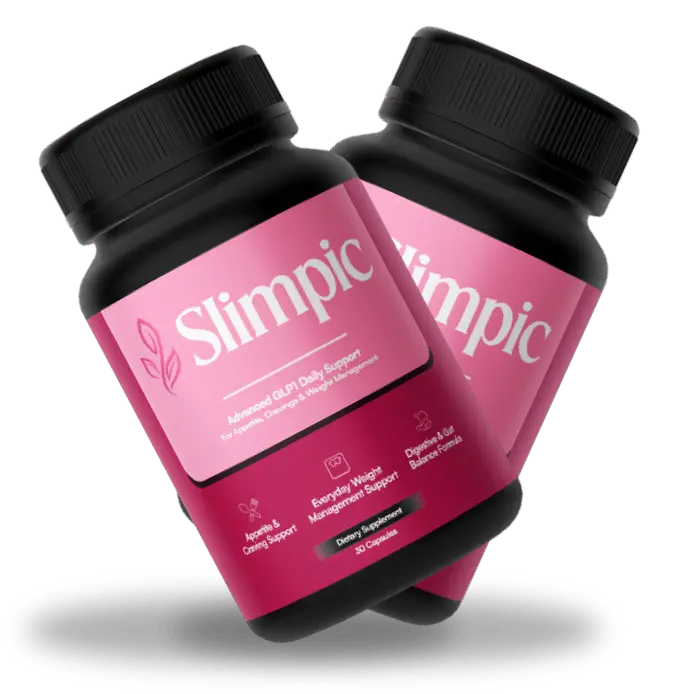
SlimPic Supplement Review: I Looked Into This “Metabolic Weight Loss Formula” and It Felt Familiar Fast

Every now and then, a supplement starts showing up everywhere at once. Ads, short videos, blog posts, all pushing the same idea. Recently, that product was SlimPic.
It’s being sold as a gut-health and metabolism formula that helps with fat loss, appetite control, and energy balance. Depending on where you see it, it shifts slightly, but the core promise stays the same: easier weight loss without much effort.
So I took a closer look.
And honestly, within a few minutes of digging, the pattern felt very familiar.
Quick verdict
- SlimPic is a real supplement, but heavily marketing-driven
- Uses gut health and hormone (GLP-1-style) messaging to position itself as a metabolic breakthrough
- Relies on emotional weight loss storytelling more than product-specific clinical evidence
- Funnel-style promotion with urgency discounts and bundled offers
- Likely mild effects at best (digestion or appetite support), not dramatic fat loss results
Table of Contents
- Quick verdict
- What SlimPic Claims To Do
- Domain Age and What Stood Out Early
- The Marketing Angle That Drives It
- The Ingredient Positioning Trick
- The Science Language Layer
- Funnel Style Selling
- Authority Signals and Trust Positioning
- What Real Feedback Looks Like
- Red Flags That Kept Repeating
- My Final Take
What SlimPic Claims To Do
The claims are fairly consistent across all the pages I checked.
SlimPic is described as a metabolic and gut-health supplement that can:
- support fat burning
- reduce cravings
- improve energy levels
- balance hormones linked to weight gain
- help reset metabolism over time
Some versions lean heavily into the idea of GLP-1-style support, which is interesting because it ties into current weight-loss drug conversations.
But that’s also where expectations start to stretch.
Domain Age and What Stood Out Early
One of the first things I checked was the domain setup behind SlimPic. What I noticed is that most of the promotional pages tied to it are relatively new, with some appearing around Feb 2026. The main product domain seems older, around July 2024, but the traffic push is clearly happening through newer funnel-style pages.
That usually tells me one thing. The product isn’t just being sold as a brand. It’s being pushed through rotating campaign pages designed to capture attention quickly.
There’s also very little transparency about who actually owns or runs it. Most of the information is kept vague or hidden behind sales pages.
That combination is something I’ve seen before.
The Marketing Angle That Drives It
What stood out more than the supplement itself is how it’s being sold.
SlimPic is framed almost like a “hidden metabolic fix” that most people don’t understand. The messaging usually builds like this:
you struggle with weight → there’s a hidden internal cause → SlimPic fixes it
It’s a simple emotional loop, and it works well in ads.
The language often leans into:
- “metabolic dysfunction”
- “fat-burning gut bacteria”
- “hormone imbalance reset”
- “hidden reason you can’t lose weight”
It sounds scientific, but it’s really just storytelling wrapped in health terms.
The Ingredient Positioning Trick
SlimPic is mainly built around probiotics, prebiotics, and plant-based compounds. On their own, these ingredients are not unusual. They’re commonly linked to digestion and gut support.
Some pages also highlight specific strains and compounds connected to gut health research. But the marketing takes a big step further.
It connects:
gut health → hormone balance → fat loss
That jump is where things become less grounded.
Gut support and fat loss are not the same thing, and the connection is often overstated in supplement marketing.
The Science Language Layer
Another thing I kept noticing is how the product is described.
You’ll see phrases like:
- metabolic activation support
- gut-brain weight connection
- cellular energy optimization
- hormonal fat regulation
None of this is outright false in a general biological sense, but it’s very broad. And importantly, there’s no clear product-specific clinical proof showing SlimPic itself produces the effects being described.
That gap is doing most of the marketing work.
Funnel Style Selling
SlimPic also follows a very familiar structure when it comes to sales:
- emotional weight loss frustration
- explanation of a “hidden cause”
- scientific-sounding solution
- urgency discounts
- bundle offers
It’s not subtle.
The goal is to move people quickly from curiosity to purchase without much pause in between.
Authority Signals and Trust Positioning
Like many supplements in this space, SlimPic leans on credibility cues such as:
- GMP-certified facility claims
- “FDA-registered manufacturing” language
- research-backed ingredient statements
These sound reassuring, but they don’t necessarily mean the product itself has been clinically tested or approved for weight loss.
That distinction is often blurred in marketing.
What Real Feedback Looks Like
Outside the promotional pages, feedback is mixed.
Some people report:
- slight appetite changes
- small energy shifts
Others say:
- no noticeable weight loss at all
That kind of variation is common with supplements that rely on general gut or probiotic support. Nothing dramatic or consistent stands out.
Red Flags That Kept Repeating
A few patterns stood out clearly during the research:
- heavy use of GLP-1-style marketing language
- emotional weight loss storytelling
- lack of product-specific clinical trials
- funnel-based promotional domains
- broad ingredient claims stretched into fat loss promises
None of these individually proves anything is wrong, but together they form a very familiar pattern.
My Final Take
After looking through everything, SlimPic feels less like a breakthrough and more like a well-structured marketing system built around current weight-loss trends. The science language, gut-health framing, and hormone references all create a strong narrative, but the actual clinical backing for the product itself is limited. It may support digestion or appetite in a mild way, but the bigger weight loss claims don’t appear strongly supported. What stood out most to me is not what the product does, but how it’s being positioned.
Also Read >>> Adora Delight Weight Loss Patch Review: Can a Simple Patch Really Melt Fat Without Diet or Exercise?