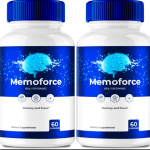
The “Shark Tank Alzheimer’s episode” scam is one of the most emotionally manipulative supplement funnels circulating online right now. These ads claim a brain supplement or natural formula was featured on Shark Tank and revealed as a breakthrough for Alzheimer’s, dementia, or memory loss.
The videos usually look convincing at first glance. They use Shark Tank branding, emotional stories about memory decline, and “doctor-backed” explanations to push a so-called cognitive breakthrough product.
But once you break down how the funnel actually works, it becomes clear this has nothing to do with the real TV show and everything to do with recycled supplement marketing tactics.
In this review, we’ll break down how the Shark Tank Alzheimer’s scam works, why the endorsement claims are fake, and what makes this type of marketing so effective online.
Quick Takeaways
- Fake Shark Tank endorsements are used to promote Alzheimer’s and memory supplements
- No real Shark Tank episode features any Alzheimer’s cure or memory supplement breakthrough
- Ads rely on emotional fear around dementia and memory loss
- The funnel typically uses fake interviews, staged news pages, and exaggerated health claims
- Products change constantly, but the marketing structure stays the same
- The goal is selling supplements through emotional manipulation, not medical evidence
What Is The Shark Tank Alzheimer’s Scam?
This scam is not a single product. It is a repeatable advertising system. The ads claim a supplement or “natural brain formula” was: featured on Shark Tank, endorsed by investors, or discovered after a “shocking TV episode.”
The product names change constantly, but the storyline stays the same. The pitch usually targets Alzheimer’s, dementia, or severe memory loss, presenting the supplement as a simple solution that doctors supposedly overlooked. This creates immediate emotional pressure, especially for families dealing with cognitive decline.
The Fake Shark Tank Connection
The core hook is always Shark Tank. The ads imply: a special episode revealed a breakthrough, the Sharks invested in a memory cure, or the product was “too powerful for mainstream medicine.” But there is no verified Shark Tank episode involving Alzheimer’s cures or supplement-based memory restoration products.
Instead, scammers borrow the show’s credibility because people already trust it as a legitimate business platform. This is the trust shortcut the entire funnel depends on.
How The Scam Funnel Actually Works
Once someone clicks the ad, they are usually taken through a structured sequence: A dramatic health story is introduced, often involving memory loss, confusion, or Alzheimer’s symptoms. Then a “discovery” narrative appears, framed like a medical or TV investigation.
Next comes a supposed expert explanation filled with scientific-sounding language about brain plaques, neurons, and memory pathways. After that, the supplement is revealed as the missing solution.
Finally, the page shifts into a sales funnel with urgency timers, discount bundles, and “limited availability” messaging. The goal is not education. It is conversion.
Why The Alzheimer’s Claims Are So Effective
These campaigns work because they target fear and urgency. Memory loss is one of the most emotionally sensitive health concerns. When ads suggest a hidden cure or reversal method exists, it creates instant attention.
The messaging often includes ideas like:
reversing memory loss naturally,
clearing brain fog permanently,
or restoring lost memories with a simple daily formula.
These claims sound hopeful, but they are not supported by credible clinical evidence.
Fake News Pages And Staged Interviews
A major part of the scam involves fake article pages that mimic news websites or TV interviews.
These pages often include:
fake “investigation” formats,
staged doctor interviews,
before-and-after testimonials,
and repeated call-to-action buttons.
The structure is designed to look informative while actually guiding the reader toward a purchase. Everything is built to feel official without actually being verifiable.
Why The Product Doesn’t Matter
One of the most important patterns in this scam is that the product name is interchangeable. A single funnel can promote multiple different supplements over time while keeping the same Shark Tank story.
This means:
the branding changes,
the bottle changes,
the website changes,
but the script stays identical.
That is a strong sign the focus is on marketing rather than the product itself.
Who These Ads Target
These campaigns are especially aggressive because they target people dealing with:
aging-related memory concerns,
family members with dementia,
brain fog and cognitive decline fears,
and general anxiety about mental health.
The emotional framing is intentional. It increases the likelihood of impulse purchases.
A Pattern I Keep Seeing
This “Shark Tank Alzheimer’s” funnel follows the same structure I’ve already seen with products like Gluco Thrive Blood Optimizer, Glycotide Drops, and Memoforce.
It always uses a trusted authority angle, a serious health fear, and then pushes a simple supplement as the solution. The names change, but the marketing system stays the same.
Is The Shark Tank Alzheimer’s Product Legit?
There is no legitimate Shark Tank-backed Alzheimer’s cure or memory supplement breakthrough. The advertising is built on false associations, emotional storytelling, and repetitive supplement funnel tactics.
Even if a physical supplement exists behind the ads, the marketing approach itself is deceptive and not connected to any verified medical endorsement or clinical breakthrough.
Conclusion
The Shark Tank Alzheimer’s episode scam is a textbook example of how modern supplement funnels operate. It takes a real fear, attaches a trusted TV brand to it, and wraps everything in emotional storytelling designed to bypass skepticism.
The result is a marketing system that looks credible on the surface but falls apart quickly under scrutiny.
There is no hidden Shark Tank cure for Alzheimer’s. There is only recycled advertising designed to sell supplements through urgency and emotional pressure.
Frequently Asked Questions
Is there a real Shark Tank Alzheimer’s episode?
No. There is no verified Shark Tank episode featuring an Alzheimer’s cure or memory supplement breakthrough.
Are Shark Tank Alzheimer’s ads real?
No. These ads use fake or misleading edits of the show to promote unrelated supplements.
What is being sold in these ads?
Usually generic brain or memory supplements that change names but follow the same funnel-style marketing.
Can these supplements treat Alzheimer’s or dementia?
No. There is no clinical evidence that over-the-counter supplements can treat or reverse Alzheimer’s disease.
Why do these scams use Shark Tank?
Because Shark Tank is widely trusted, scammers use its branding to create instant credibility and emotional urgency.
What is the safest way to approach these ads?
Treat them as marketing funnels, not medical information, and verify any health claims through trusted medical sources.