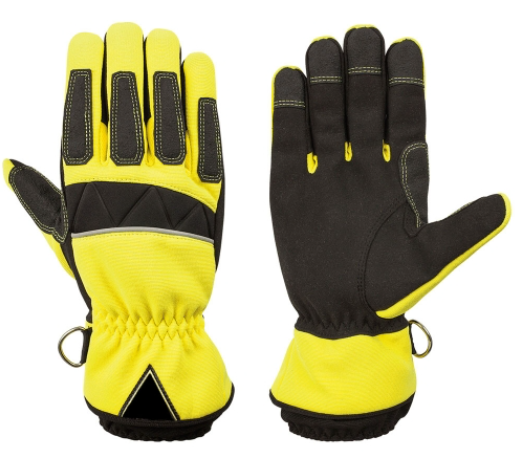

Gloves are one of those products that don’t seem important until you actually need them. That’s especially true for rescue gloves. Whether it’s vehicle extrication, rope work, search and rescue, or general emergency response, the marketing usually promises the same thing: maximum protection without sacrificing dexterity. The problem is that protection and dexterity rarely coexist perfectly. The more protection you add, the bulkier the glove becomes. The more flexibility you want, the more protection you usually give up. That’s what made me curious about Rescue Gloves and the claims surrounding them.
Quick Take
- Marketed as high-protection gloves for rescue and emergency situations
- Focus on cut resistance, puncture resistance, and hand protection
- Protection appears to be the primary selling point
- Dexterity varies significantly depending on glove design
- Overall impression: useful safety equipment, but no rescue glove excels at everything
Table of Contents
- Quick Take
- What Are Rescue Gloves Supposed To Do?
- Why The Marketing Gets Attention
- What They’re Like in Real Use
- Where Expectations Usually Go Wrong
- What People Tend To Like
- What People Tend To Complain About
- A Pattern I Keep Seeing
- Are Rescue Gloves Legit?
- Conclusion
- FAQ
What Are Rescue Gloves Supposed To Do?
Rescue gloves are designed to protect hands during high-risk work involving sharp metal, broken glass, ropes, debris, tools, and other hazards commonly encountered during emergency response.
Many rescue gloves emphasize:
- cut resistance
- puncture resistance
- abrasion resistance
- impact protection
- rope handling capability
Some rescue-specific gloves are certified to technical rescue standards and are designed to provide higher levels of cut, abrasion, and puncture protection than ordinary work gloves. The concept is straightforward. Keep your hands protected while still allowing enough movement to perform detailed tasks.
Why The Marketing Gets Attention
The advertisements often focus on extreme demonstrations. Knives scraping across gloves. Sharp metal. Glass shards. Heavy-duty rescue scenarios. Those demonstrations make the gloves look nearly indestructible. The reality is a little more nuanced. A glove can be highly resistant to cuts and punctures without being invincible. Even professionals regularly point out that protection levels and real-world performance are not always the same thing.
What They’re Like in Real Use
This is where the trade-offs start showing up. Heavier rescue gloves generally provide better protection but reduce fine motor control. Lighter gloves improve dexterity but may sacrifice durability and protection.
That’s why many firefighters and rescue personnel end up using different gloves for different tasks instead of expecting one glove to do everything. Community discussions frequently highlight the balance between protection, grip, comfort, and dexterity as the deciding factor. The ideal glove depends heavily on the job. Rope rescue, vehicle extrication, and search-and-rescue operations all place different demands on hand protection.
Where Expectations Usually Go Wrong
The biggest mistake is expecting a single pair of gloves to be perfect. A highly protective glove won’t feel like a thin work glove. A glove designed for rope handling won’t necessarily be ideal for extrication. A glove built for maximum durability may not offer the dexterity needed for delicate tasks. That’s not a flaw. It’s simply the reality of protective equipment.
What People Tend To Like
Most positive feedback around rescue gloves focuses on:
- increased hand protection
- durability
- confidence when working around hazards
- better grip than standard work gloves
- long-term wear resistance
When matched to the right task, they can be a valuable piece of equipment.
What People Tend To Complain About
Common complaints include:
- reduced dexterity
- stiffness during break-in periods
- bulkier feel than expected
- higher prices compared to regular work gloves
- discomfort during extended wear
Interestingly, many experienced users seem willing to accept these drawbacks if the protection level is high enough.
A Pattern I Keep Seeing
This reminds me of products like the Ion Core Belt and the Borneau Pillow. The product category itself is legitimate. The marketing often creates the impression that one product has solved every compromise in the category. With rescue gloves, the promise is usually maximum protection and maximum dexterity at the same time.
In practice, every glove sits somewhere on that spectrum. The best choice depends more on the task than the advertisement.
Are Rescue Gloves Legit?
Yes. Unlike many heavily marketed gadgets, rescue gloves serve a real purpose and address real workplace hazards. The main question isn’t whether they work. It’s whether a particular pair matches the type of work you’re actually doing.
Conclusion
Rescue gloves are one of those products where realistic expectations matter. Good gloves can absolutely improve safety, grip, and confidence in hazardous situations. What they can’t do is eliminate the trade-off between protection and dexterity. The strongest gloves tend to be less flexible. The most flexible gloves tend to offer less protection.
The best rescue glove is usually the one designed for your specific task rather than the one making the biggest promises.
FAQ
Are rescue gloves worth buying?
If you regularly work around sharp objects, ropes, tools, debris, or emergency situations, they can provide valuable protection.
Do rescue gloves prevent cuts?
They can significantly improve cut resistance, but no glove is completely cut-proof.
Are rescue gloves waterproof?
Some models are, while others prioritize breathability and grip instead.
Are rescue gloves good for rope work?
Certain models are specifically designed for rope rescue and rappelling applications.
Can one pair of rescue gloves do everything?
Usually not. Different rescue tasks often require different glove designs.