
You’re scrolling Instagram and Sanjay Gupta is suddenly talking to you about your lungs. Same calm CNN voice, same face you’ve seen a thousand times. He’s explaining a spray. It looks like an interview clip, not an ad, which is exactly the point.
According to Gupta himself, that’s not him. He said as much on CNN’s own podcast, after friends of his parents started emailing to ask if the product in the video was real. A BBB Scam Tracker complaint filed in August ties that exact ad style to a product called Pure Lung, naming Gupta alongside Clint Eastwood and Sean Penn, with $180 gone from one buyer’s account.
Here’s where it gets messier. There’s a second product also called Pure Lung, capsules instead of a spray, sold through a completely different site that has nothing to do with any of that. That site actually tells you upfront it’s an affiliate page and that no trial has ever tested its own formula. Same name, two different operations, and only one of them has a fraud complaint attached to it.
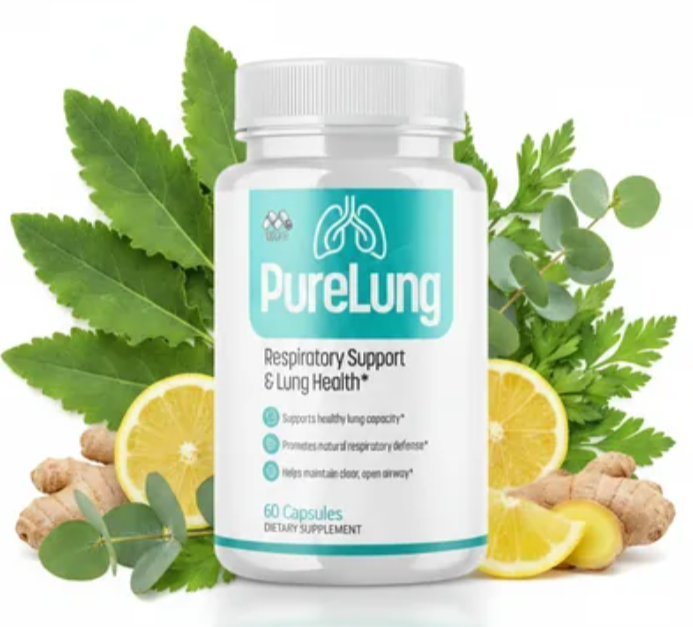
Table of Contents
- What’s Actually in the Bottle
- Why Gupta, Specifically
- The Two Products Aren’t Playing the Same Game
- The Complaint on Record
- So Is It a Scam?
- Final Verdict
- FAQ
What’s Actually in the Bottle
The spray from the ad campaign: mullein leaf, ginger root, bromelain, lemon extract, cordyceps. Four sprays a day. The label talks about “lung capacity” and “clear airways,” then quietly admits it’s not meant to treat asthma or COPD.
The capsule version shares nothing with that list. Green tea extract, bilberry leaf, ginkgo, bacopa, lutein, zeaxanthin, cinnamon, choline, Himalayan pink salt, B6, B12, taken twice a day. Not one ingredient overlaps.
Why Gupta, Specifically
Doctors get faked in these ads because trust is the whole product. Nobody clicks “buy” off a stranger’s word, but a familiar face saying “this is real medicine, trust me” skips the part where you’d normally think twice.
Gupta’s not a random pick either. He’s spent years on air debunking exactly this kind of health claim, which makes borrowing his face more effective, not less. He’s since said publicly that any video showing him personally endorsing a supplement should be treated as fake unless he’s confirmed it somewhere that isn’t the ad itself. That’s not a scam site’s opinion. That’s the man in the video telling you it wasn’t him.
The Two Products Aren’t Playing the Same Game
The capsule site does something rare in this space: it tells you plainly it earns a commission, that nobody’s tested the finished formula, and that it has no customers to survey, so it’s not publishing a star rating it can’t back up.
It also flags a real interaction. Ginkgo thins blood. Anyone on anticoagulants needs to run this past a doctor first, and the site says so itself instead of burying it.
Search “Pure Lung” and both of these show up with no clear signal about which one you’re looking at. Confirm the actual bottle and the actual site before assuming anything about either.
For the broader patterns we look for across supplement scams like this one, see our full breakdown here.
The Complaint on Record
Dated. Named. A specific ad tactic, a specific dollar amount. That’s a real filing with the Better Business Bureau’s Scam Tracker, not a review site’s summary of one.
So Is It a Scam?
The ad campaign is fraudulent. Gupta already said so. The spray sold behind that campaign inherits the problem, fairly or not, just by being the product those ads point to. The capsule sold under the same name isn’t part of that story. It’s upfront about what it doesn’t know, which puts it closer to overhyped-but-honest than anything resembling the ad campaign.
Final Verdict
If Gupta, Eastwood, or Penn brought you here through a video, that ad is fake, confirmed by the person it borrowed. Don’t buy through it, and if you already did, screenshot it, keep the receipt, watch your card statement. The capsule sold under the same name is run more honestly, but honesty about uncertainty isn’t the same as proof it works. Either way, a real breathing problem needs a doctor before it needs a bottle.
FAQ
Did Dr. Sanjay Gupta endorse Pure Lung?
No. He’s publicly confirmed scammers use AI-generated videos of him to sell products he has no connection to. A BBB complaint names a fake Gupta endorsement tied specifically to Pure Lung.
Is Pure Lung a scam?
The video ad campaign is. A separate capsule product using the same name discloses its affiliate status and the lack of finished-product testing, a genuinely different situation, even though neither version has clinical proof behind the full formula.
What are the real ingredients in Pure Lung?
Depends which product you’re on. The spray lists mullein, ginger, bromelain, lemon extract, and cordyceps. The capsule lists a completely different 11-ingredient blend led by green tea extract. Check the site and the bottle before trusting either list.
Does Pure Lung interact with any medications?
The capsule version contains ginkgo biloba, which can thin blood and interact with anticoagulants like warfarin or aspirin. Talk to a doctor first if you’re on blood thinners or have surgery coming up.
Where can I buy Pure Lung?
Both versions sell direct-to-consumer only. Neither is on Amazon, Walmart, or in pharmacies. Buying elsewhere puts you outside whatever refund guarantee either seller offers.

[…] Read >>> Pure Lung Review: The Fake Dr. Sanjay Gupta Ads Are the Reason to Slow Down […]