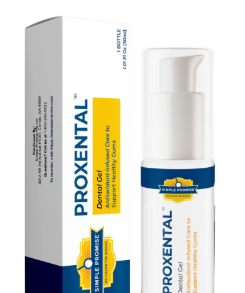

ProXental Dental Gel is marketed as a natural solution for bleeding gums, tooth sensitivity, bad breath, and damaged enamel. Some advertisements even claim it can repair gum tissue, remineralize teeth, and help people avoid expensive dental procedures.
I looked into ProXental because those promises sound more like dental treatment than everyday oral care. The gel contains familiar ingredients such as xylitol, aloe vera, sage, and clove oil, but I couldn’t find clinical evidence showing that ProXental itself can repair damaged teeth or reverse gum disease.
Quick Takeaways
- ProXental is a topical dental gel sold under the Simple Promise brand.
- It contains xylitol, aloe vera, and several botanical extracts.
- Some advertisements claim it repairs teeth and gums without dental procedures.
- I couldn’t find clinical trials supporting those stronger claims.
- ProXental appears to be a real product, but its marketing exaggerates what it can do.
Table of Contents
- Quick Takeaways
- What Is ProXental Dental Gel?
- The Ingredients in ProXental
- The Hollywood Smile Method
- The Claims About Enamel Repair
- The Gum Regeneration Claims
- The FDA Approved Claim
- What Customers Say About ProXental
- Pricing and Refund Policy
- Does ProXental Dental Gel Have Side Effects?
- Before You Buy ProXental, Ask Yourself This
- Safer Alternatives
- Pattern I Keep Seeing
- What To Do If You Already Ordered ProXental
- Is ProXental Dental Gel Legit or a Scam?
- Conclusion
What Is ProXental Dental Gel?
ProXental is an oral care gel designed to be applied directly to the teeth and gums. The seller recommends using a small amount twice daily after brushing, either with a clean fingertip, cotton swab, or soft toothbrush.
It’s sold by Simple Promise, a supplement and wellness retailer. The product is promoted for gum comfort, fresher breath, reduced sensitivity, and general dental hygiene.
Those are reasonable goals for an oral care product. The problem starts when the advertising suggests ProXental can do the work of a dentist.
The Ingredients in ProXental
ProXental contains a combination of plant extracts, essential oils, and xylitol. None of these ingredients is particularly unusual in oral care, although their effectiveness depends on the formulation and how they’re used.
Xylitol
Xylitol is a sugar alcohol commonly found in sugar-free chewing gum and dental products. It doesn’t feed cavity-causing bacteria the way ordinary sugar does, and researchers have investigated its potential benefits for oral health.
However, the presence of xylitol doesn’t prove that ProXental can rebuild damaged enamel or reverse cavities.
Aloe Vera
Aloe vera is included for its soothing properties. Some studies have explored aloe-based oral products for gum irritation and inflammation, but the results don’t establish ProXental as a treatment for periodontal disease.
Sage, Thyme, and Clove Oil
These botanical ingredients have traditionally been used in oral care. Clove oil contains eugenol, a compound associated with temporary soothing effects, while sage and thyme contain substances with antimicrobial activity in laboratory research.
That doesn’t mean they can permanently relieve toothache or eliminate an established dental infection.
Peppermint Oil, Cucumber Extract, and Ferulic Acid
Peppermint oil can provide a cooling sensation and temporarily fresher breath. Cucumber extract is commonly used for its soothing properties, while ferulic acid is an antioxidant. They’re understandable additions to a botanical dental gel, but none proves the product’s more ambitious claims.
The Hollywood Smile Method
Some ProXental advertisements describe the product as using a special “Hollywood Smile Method” to restore oral health naturally. The wording makes the gel sound like a new dental discovery, but I couldn’t find a recognized clinical treatment or published research establishing this method as a proven way to repair damaged teeth.
The advertising also suggests ProXental can reduce the need for expensive dental procedures. That’s a claim I would be particularly careful with because someone dealing with cavities, persistent gum bleeding, or tooth pain may need professional treatment. A dental gel can complement a cleaning routine. It cannot replace a filling, root canal, or periodontal treatment.
The Claims About Enamel Repair
Tooth enamel can undergo remineralization when early mineral loss is addressed through appropriate oral care. Fluoride toothpaste has strong evidence supporting its role in preventing cavities and helping remineralize early enamel damage. But there’s a difference between supporting remineralization and repairing a tooth that already has a cavity, crack, or significant structural damage.
ProXental’s advertised formula doesn’t establish that it can rebuild lost tooth structure. I also couldn’t find a clinical trial showing that the finished gel repairs cavities or restores damaged enamel. If you’re buying it because an advertisement says you can fix your teeth without visiting a dentist, I’d reconsider.
The Gum Regeneration Claims
Another promise involves repairing gum tissue and reducing bleeding or swelling. Certain botanical ingredients may provide temporary comfort, but persistent gum bleeding can be a sign of gingivitis or periodontal disease. Those conditions require proper assessment and treatment.
Receding gums are another concern. Once significant gum recession has occurred, rubbing a herbal gel onto the area isn’t a proven way to regenerate the lost tissue. I wouldn’t rely on ProXental to reverse gum recession or treat advanced gum disease.
The FDA Approved Claim
This was another issue I found while researching the product. Some ProXental promotional websites display an “FDA Approved” heading, then explain that the gel is manufactured in an FDA-registered facility. Those are two different things. FDA facility registration doesn’t mean the agency has reviewed and approved ProXental as a treatment for cavities, gum disease, or enamel damage. The wording can easily leave buyers with the wrong impression about the product’s medical credibility.
What Customers Say About ProXental
ProXental’s sales pages feature positive testimonials from customers who say their breath improved, their gums felt healthier, or their teeth became less sensitive. Some reviews go further, describing reduced bleeding and improvements that supposedly helped them avoid dental treatment. I couldn’t independently verify those experiences, and the testimonials don’t establish that the gel caused the reported changes. The company’s product information also indicates that some customers featured in its advertising were compensated for their time. That’s something I’d consider when deciding how much weight to give the reviews.
Pricing and Refund Policy
Simple Promise has advertised ProXental at $69 for one bottle, $147 for three bottles, and $234 for six bottles. Other promotional websites display different discounts, so the price may depend on which sales page you visit. The company also advertises a 365-day money-back guarantee.
I wouldn’t rush into a multi-bottle purchase simply because the discount looks attractive. If you decide to try the gel, read the refund conditions and check the final checkout amount before paying.
Does ProXental Dental Gel Have Side Effects?
ProXental contains essential oils and botanical extracts that may irritate sensitive oral tissues in some people. Peppermint and clove oil, for example, can cause burning, discomfort, or allergic reactions. Anyone with mouth sores, significant gum inflammation, or known sensitivities to the ingredients should be cautious.
If the gel causes persistent irritation, stop using it. And if you’re experiencing tooth pain, swelling, or ongoing gum bleeding, arrange a dental examination rather than trying to manage the symptoms with a cosmetic oral care product.
Before You Buy ProXental, Ask Yourself This
Are you looking for something to freshen your breath and make your gums feel more comfortable, or are you hoping to repair an existing dental problem? If it’s the former, ProXental may be an optional addition to your routine. The ingredients aren’t particularly unusual, and there are less expensive oral care products that serve similar purposes. But if you have cavities, cracked teeth, receding gums, or persistent toothache, I wouldn’t spend money on ProXental expecting those problems to disappear.
Safer Alternatives
For everyday dental care, I’d stick with fluoride toothpaste, a soft-bristled toothbrush, and regular cleaning between the teeth. These have a much stronger evidence base than an expensive gel promoted through dramatic repair claims.
For sensitive teeth, products containing potassium nitrate or stannous fluoride may be more appropriate, depending on the cause. Persistent gum bleeding, toothache, and visible dental damage should be assessed by a dentist.
Pattern I Keep Seeing
Some wellness products take ordinary ingredients and build a much bigger treatment story around them. We’ve seen this with CardioClear7, where ingredients associated with general health were used to support stronger claims about reversing medical problems.
ProXental follows a similar approach. Its ingredients may have a place in oral hygiene, but that doesn’t establish the dramatic repair claims used in certain advertisements.
What To Do If You Already Ordered ProXental
Check the order confirmation and make sure the quantity and total price match what you selected. Keep your receipt and screenshots of the advertisement, particularly if it promised results that aren’t supported by the product information. If you’re dissatisfied, contact the seller and request the refund instructions under the advertised guarantee.
If you’ve been using ProXental for an existing dental problem without improvement, don’t continue delaying treatment. Tooth infections and gum disease can become more serious when left untreated.
Is ProXental Dental Gel Legit or a Scam?
ProXental appears to be a real oral care product sold by an identifiable company. Its ingredients are disclosed, and the basic idea of a botanical gel for oral comfort isn’t inherently suspicious.
What I don’t trust are the advertisements suggesting it can repair cavities, regenerate gums, or replace professional dental treatment. The questionable FDA wording on some promotional websites adds to those concerns.
I wouldn’t call ProXental an outright scam, but I would call its strongest dental repair claims misleading.
Conclusion
After researching ProXental Dental Gel, I found a topical oral care product containing familiar ingredients such as xylitol, aloe vera, sage, and clove oil. Some may help with breath freshness or general oral comfort, but I couldn’t find clinical evidence showing that the finished gel repairs cavities, rebuilds damaged teeth, or regenerates receding gums.
The biggest concern is how aggressively certain websites market it as an alternative to dental treatment. I would treat ProXental as an optional oral hygiene product, not a proven solution for dental disease.