
There’s a real scam campaign the Better Business Bureau has publicly warned about, sometimes called the “Bill Gates Brain Honey” or “Ancient Honey Ritual” scam. It uses AI-generated videos and cloned voices to make it look like Bill Gates, Dr. Sanjay Gupta, Anderson Cooper, or Bruce Willis are endorsing a miracle memory cure for Alzheimer’s and dementia. BBB has confirmed none of these endorsements are real, confirmed there’s no scientific evidence behind the claims, and confirmed the scam leads to hidden subscription charges once someone actually orders. BBB itself says this exact scam runs under more than one product name.
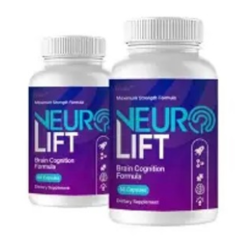
A BBB Scam Tracker report tied to this same pattern, cloned CNN-style presentation, AI Bill Gates video, fabricated social media comments, subscription trap, connects it to products sold through a funnel called GetWellVio. NeuroLift is one of the names reportedly used for promotions tied to this exact campaign. Separately, and confusingly, “NeuroLift” also gets used by at least two or three other, apparently unrelated products with completely different marketing and formulas. Worth being extremely careful here before you buy anything with this name on it.
Quick Takeaway
- A confirmed BBB scam campaign uses fake AI videos of Bill Gates and other public figures to push a bogus Alzheimer’s cure, and NeuroLift is reportedly one of the product names tied to it
- Watch for a fake CNN-style video presentation and a funnel connected to a site called GetWellVio, these are the specific signs of the confirmed scam version
- Separate from that, other products also use the NeuroLift name with completely different formulas, pricing, and marketing, don’t assume every NeuroLift listing is the same thing
- One version lists Bacopa monnieri, citicoline, omega-3 DHA, phosphatidylserine, rhodiola rosea, and B vitamins, a reasonable-looking list, though doses may be too low to match the actual research behind them
- No clinical trial exists on any finished NeuroLift product
- Bottom line: if a video led you here, especially one featuring Bill Gates or another celebrity, stop and don’t buy, that part is a confirmed scam
Table of Contents
- Quick Takeaway
- What NeuroLift Is Supposed to Do
- Does NeuroLift Actually Work
- Possible Side Effects and Medication Interactions
- What to Check Before You Buy NeuroLift
- If You’re Dealing With Real Memory Concerns
- Final Verdict
- FAQ
What NeuroLift Is Supposed to Do
Depending which version you land on, NeuroLift is marketed as a daily capsule for memory, focus, and cognitive health, sometimes aimed at general brain fog, sometimes explicitly marketed toward reversing serious cognitive decline, a much bigger and far less supportable claim.
Does NeuroLift Actually Work
One version of NeuroLift lists Bacopa monnieri, citicoline, omega-3 DHA, phosphatidylserine, and rhodiola rosea alongside B vitamins, all ingredients with real individual research behind them for memory and cognitive function. The concern raised about this exact list is something called pixie dusting, packing a long ingredient list onto a label while each individual amount sits below the dose actually used in research, so the label looks impressive without necessarily doing much.
No clinical trial has tested a finished NeuroLift capsule itself. Some versions of NeuroLift don’t publish a usable ingredient list or dosage information at all, just a references page citing general research on brain-health compounds without confirming which ones, or how much, are actually in the product you’d receive.
Possible Side Effects and Medication Interactions
Rhodiola rosea can interact with antidepressants, particularly those affecting serotonin, and may cause jitteriness in sensitive people. Citicoline is generally well tolerated but can occasionally cause headache or stomach upset. Phosphatidylserine is usually mild but may have a mild blood-thinning effect, worth mentioning to a doctor if you’re already on blood thinners. Bacopa monnieri can cause stomach upset for some people when starting out, and has a mild interaction potential with thyroid medication. None of this is exotic, but if you’re on an antidepressant, blood thinner, or thyroid medication, run any specific NeuroLift formula past a doctor first, especially since you may not be able to confirm the actual doses before buying.
What to Check Before You Buy NeuroLift
- If a video with a celebrity in it led you to NeuroLift, especially Bill Gates, Dr. Sanjay Gupta, or anyone else, treat that specific promotion as a confirmed scam pattern and don’t buy through it
- Watch for a checkout funnel connected to a site called GetWellVio specifically, that’s tied to the confirmed scam version
- Confirm you’re looking at one consistent formula with an actual Supplement Facts panel before paying, several NeuroLift listings don’t provide this at all
- Ask a doctor before combining any version of this with antidepressants, blood thinners, or thyroid medication
For the broader patterns we look for across supplement scams like this one, see our full breakdown here.
If You’re Dealing With Real Memory Concerns
Noticeable memory decline, especially sudden or rapidly worsening, deserves an actual medical evaluation, not a supplement ordered off a video ad. A doctor can check for treatable causes and, if something more serious like dementia is involved, point toward actual diagnostic tools and care options, something no capsule claims to replace honestly.
Final Verdict
If a celebrity video brought you to NeuroLift, stop, that specific promotion matches a scam BBB has already confirmed and publicly warned about. Separately, other products also sold under the NeuroLift name have real ingredients with some legitimate research behind them individually, but no finished-product testing and, in some cases, no actual disclosed formula at all. Whichever NeuroLift you’re looking at, get the actual ingredient panel in front of you before paying, and never trust a supplement ad because a famous face appears to be in it.
FAQ
Is NeuroLift a scam? Depends which one. A confirmed BBB scam campaign using fake celebrity videos has been tied to NeuroLift-branded promotions specifically through a funnel called GetWellVio. Separate products also use the NeuroLift name with different, apparently unconnected formulas and marketing.
Did Bill Gates really endorse NeuroLift? No. This matches a confirmed BBB scam pattern using AI-generated videos of Bill Gates and other public figures to fake endorsements for brain supplements. BBB has stated there’s no truth to these endorsements and no scientific evidence behind the claims.
What’s in NeuroLift? Depends which version. One lists Bacopa monnieri, citicoline, omega-3 DHA, phosphatidylserine, rhodiola rosea, and B vitamins. Other versions don’t disclose a usable ingredient list or dosage information at all.
Does NeuroLift interact with any medications? Possibly, depending on the formula. Rhodiola can interact with antidepressants, phosphatidylserine may have mild blood-thinning effects, and Bacopa has some interaction potential with thyroid medication. Check with a doctor if you’re on any of these.
Where can I buy NeuroLift? Multiple, apparently unrelated sellers use this name. Avoid any checkout tied to a celebrity endorsement video or a funnel called GetWellVio specifically, and confirm you’re seeing an actual ingredient panel before paying anywhere else.