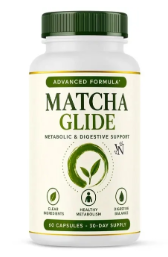

Matcha Glide is being promoted through a weight-loss story involving a supposedly special matcha recipe that can help burn stubborn belly fat and improve metabolism. The advertisements make it look like celebrities and medical professionals have discovered an easy way to lose weight, but there’s a serious problem with that story. The campaign has been associated with AI-generated celebrity videos, manipulated images and fake endorsements involving people who have no verified connection to the product. And when I followed the website’s purchase links, I found another issue: the Matcha Glide website redirects buyers to a completely different sales page for SodaSlim. So what exactly are customers being asked to buy, who is behind it, and is there any real evidence that this supplement works? I investigated the website, its sales links, pricing and promotional claims to find out.
Table of Contents
- What Is Matcha Glide?
- The Jennifer Hudson and Other Celebrity Deepfake Videos
- The Matcha Weight Loss Recipe Is a Sales Funnel
- Matcha Glide Ingredients and Weight Loss Claims
- Why Does the Matcha Glide Website Redirect to SodaSlim?
- Matcha Glide Pricing and Refund Policy
- Who Owns Matcha Glide?
- Is Matcha Glide a Scam or Legit?
- Already Bought Matcha Glide? Here’s What You Should Do
- My Verdict on Matcha Glide
What Is Matcha Glide?
Matcha Glide is presented as a weight-loss supplement associated with a special matcha drink or morning weight-loss ritual. Its advertising suggests that the product can help with stubborn belly fat, metabolism and general wellness. However, the website at matchaglide.vercel.app is rather confusing because its description of the product changes depending on which section you read. The homepage discusses digestive wellness, while other sections introduce Matcha Glide as a men’s vitality supplement supposedly supporting energy, stamina and physical performance. These are quite different product categories, and the website doesn’t properly explain why they are being combined. I also couldn’t find a clear manufacturer or a complete ingredient list that would allow buyers to establish exactly what they are purchasing. This makes it difficult to understand what Matcha Glide actually contains or whether the product being advertised is the same one customers eventually receive.
The Jennifer Hudson and Other Celebrity Deepfake Videos
The celebrity advertising is one of the biggest reasons I became suspicious of Matcha Glide. Investigations into the promotional campaign have identified AI-generated or manipulated videos involving Jennifer Hudson, Rebel Wilson and Melissa McCarthy. The videos are designed to make viewers believe that these celebrities have discovered or endorsed a special matcha weight-loss method. Dr. Casey Means has also been associated with promotional material that appears to use her likeness to give the product medical credibility. I couldn’t find credible evidence that any of these personalities genuinely endorses Matcha Glide. This is particularly concerning because the advertisements aren’t simply using celebrity photographs to attract attention. They create the impression that real people have participated in interviews, discussed weight-loss discoveries or personally recommended the product. AI technology makes it increasingly easy to manipulate someone’s face and voice, producing videos that can look surprisingly convincing. I wouldn’t treat anything these celebrities appear to say in these advertisements as a genuine endorsement. If Jennifer Hudson or another public figure actually recommends a supplement, there should be evidence on their verified social media accounts or other legitimate channels, not just inside a promotional video leading to a checkout page.
The Matcha Weight Loss Recipe Is a Sales Funnel
Another problem is the way the product is introduced to potential buyers. The advertisements attract attention by promising a simple matcha recipe or morning ritual that supposedly helps people lose weight. Someone watching might reasonably expect to discover which ingredients to combine and how to prepare the drink. Instead, the promotional presentation eventually turns into a sales pitch for Matcha Glide capsules. The marketing relies on the curiosity surrounding a supposedly hidden weight-loss discovery, using dramatic explanations and celebrity appearances to keep viewers interested until the actual product is introduced. I don’t think this is an honest way to advertise a supplement. If Matcha Glide is genuinely capable of producing the results being suggested, the seller should be able to explain the product, its ingredients and its benefits without making people sit through a lengthy presentation about a secret recipe. There is also a difference between drinking ordinary matcha and taking a commercial supplement. Matcha is powdered green tea, while a capsule containing green tea extracts or other ingredients is a different product altogether. The fact that one contains ingredients associated with green tea doesn’t establish that it can reproduce the supposed results of the advertised ritual.
Matcha Glide Ingredients and Weight Loss Claims
One of the things I found particularly disappointing about the Matcha Glide website is the lack of useful ingredient information. Its About page acknowledges that the complete formula could not be independently verified, while its ingredient guide was unavailable when I checked it. The website effectively leaves buyers to examine the Supplement Facts label on the bottle they receive. That’s not good enough for a product being sold as a weight-loss supplement. Customers should be able to examine the ingredients and their individual quantities before spending money. Matcha itself contains caffeine and catechins, including EGCG, which have been investigated for their potential effects on metabolism and body weight. Some research suggests green tea compounds may have modest effects on weight management, but that doesn’t establish that Matcha Glide produces significant fat loss. There is also no convincing evidence that a secret matcha recipe or this particular supplement can replicate the effects of prescription GLP-1 medications. I would be especially cautious about any advertisement suggesting that a natural drink or capsule can deliver dramatic weight loss without meaningful lifestyle changes. Research involving an individual ingredient cannot automatically be used as proof that a finished supplement works.
Why Does the Matcha Glide Website Redirect to SodaSlim?
This is probably the most interesting discovery I made when examining the website. Matcha Glide is promoted through matchaglide.vercel.app, but clicking its purchase buttons doesn’t take customers directly to a clearly identified Matcha Glide checkout. Instead, the links pass through an affiliate tracking address on mwebsignalhq.com before redirecting to a SodaSlim sales page at sodaslim.com. This is a significant problem because someone who believes they are purchasing Matcha Glide is suddenly being directed to another product’s website. Why is a Matcha Glide promotion sending customers to SodaSlim? Are the two products connected? Is Matcha Glide simply an advertising name for another supplement, or is the website earning affiliate commissions from a separate seller? I couldn’t establish the relationship from the available information. The Matcha Glide website itself describes its role as independent buyer guidance and acknowledges that it earns commissions from purchases made through its links. It also says it is not operated by the manufacturer. Its contact information directs editorial enquiries to support@sodapiek.com, rather than providing a clearly identified Matcha Glide manufacturer. This doesn’t automatically establish who owns the sales operation, but it makes the product’s identity and the relationship between the websites unnecessarily difficult to understand. Before buying anything, customers should know exactly which product they are ordering and which company is responsible for the transaction.
Matcha Glide Pricing and Refund Policy
The Matcha Glide promotional website advertises three purchasing options. The two-bottle package costs $158, bringing the price to $79 per bottle. The three-bottle package costs $207, or $69 per bottle, while the six-bottle package costs $294, reducing the advertised price to $49 per bottle. These packages are accompanied by crossed-out reference prices of $358, $537 and $1,074 respectively. The website presents these figures as substantial savings, but I couldn’t establish that the higher prices represent genuine previous selling prices. It also advertises a 60-day money-back guarantee, which sounds reassuring until you consider that the purchase links lead to a different sales website. The actual seller’s refund conditions and responsibilities need to be established before customers can rely on that promise. I would not assume that the guarantee displayed on an affiliate promotional page automatically applies to every transaction made through its redirected checkout. Buyers should check the final order page, identify the merchant, examine the refund terms and confirm whether the payment is a one-time purchase before entering their card details.
Who Owns Matcha Glide?
I couldn’t establish a verifiable manufacturer or a clearly identified company responsible for producing Matcha Glide. The website at matchaglide.vercel.app doesn’t present itself as the manufacturer’s official storefront. Instead, it describes itself as an independent buyer-guidance website that receives affiliate commissions. This distinction matters because customers may assume they are dealing directly with the company producing the supplement when they are actually visiting a promotional website. The connection to SodaSlim introduces another layer of uncertainty, particularly because the checkout destination is different from the product name used in the advertisements. I also couldn’t independently establish whether the people operating the Matcha Glide promotional website have any formal relationship with the manufacturer of the product eventually supplied. Without a clearly identified manufacturer, verifiable business details and a consistent product identity, buyers have little information to use when checking the company’s background or resolving problems with an order.
Is Matcha Glide a Scam or Legit?
I would stay away from Matcha Glide. The biggest issue isn’t simply that it is a weight-loss supplement with claims that haven’t been properly established. It’s the way the product is being marketed. The campaign has been associated with manipulated celebrity videos and fake medical endorsements, while the website itself provides inconsistent descriptions of what Matcha Glide actually is. The purchase links also redirect customers to a SodaSlim sales page, without adequately explaining the relationship between the two products. Add the missing ingredient information and the lack of a clearly identified manufacturer, and there are too many unanswered questions for me to consider this a trustworthy purchase. I haven’t established that every customer receives nothing or that every transaction results in unauthorised charges, so I wouldn’t present those allegations as proven facts. However, the advertising and sales arrangements provide sufficient reasons to avoid the offer. A genuine supplement shouldn’t need fabricated celebrity endorsements, a secret-recipe story or an unexplained change of product at checkout to convince people to buy it.
Already Bought Matcha Glide? Here’s What You Should Do
If you’ve already ordered Matcha Glide, check your order confirmation carefully to identify the actual seller and the product listed on your receipt. Compare the amount charged with the price you agreed to pay and check your bank or card statement for additional transactions. If you notice an unfamiliar or unauthorised charge, contact your bank or card provider and ask about disputing it and preventing further payments. If you need a refund, make your request in writing and retain the correspondence, order confirmation and screenshots of the original advertisement. Don’t rely on a verbal promise from a sales representative without obtaining written confirmation. If you believe you have been misled or charged without authorisation, you can also report the matter to the appropriate consumer-protection or fraud-reporting authority in your country. In the United States, this includes the Federal Trade Commission at ReportFraud.ftc.gov.
My Verdict on Matcha Glide
Matcha Glide is an offer I would avoid. I find the use of AI-generated celebrity endorsements particularly troubling because it exploits the trust people place in familiar public figures to sell a product they haven’t genuinely recommended. The confusing website descriptions, missing ingredient information and unexplained SodaSlim checkout redirect make the purchasing arrangement even less convincing. I also don’t see reliable evidence that Matcha Glide can deliver the dramatic weight-loss results suggested by its advertising. Matcha may be a perfectly reasonable drink to enjoy, but that doesn’t make every supplement using its name an effective weight-loss solution. My advice is not to enter your payment details or purchase this product through the promotional videos. There are too many questions about what is being sold, who is selling it and whether the advertising represents the product honestly.
Read also >>> Usceshonn Beef Snack Review: Is That Beef Deal Really Worth It?