
If you’ve been seeing Magnesium Complex ads online lately, chances are the product itself wasn’t the first thing that caught your attention.
It was probably the story.
A doctor named “Dr. Martha Callaway” revealing a strange “10-second nightly ritual.” Emotional videos about exhaustion, nerve problems, poor sleep, anxiety, muscle weakness, brain fog, or unexplained fatigue. Then somewhere in the middle of the funnel, a Magnesium Complex supplement suddenly appears as the hidden answer behind it all.
The setup feels very intentional because it is.
These ads are designed to pull people in emotionally long before they ever explain what the supplement actually contains.
In this review, we’ll break down what Magnesium Complex is being marketed as, how the “10-second ritual” funnel works, and why the Dr. Martha Callaway angle starts raising serious questions once you look beyond the storytelling.
Quick Takeaways
- Magnesium Complex is being promoted through emotional “10-second ritual” style ads
- The funnel heavily pushes sleep, stress, fatigue, and nerve-health fears
- “Dr. Martha Callaway” appears tied more to marketing than verifiable medical authority
- The ads exaggerate magnesium benefits into near-transformation promises
- The product itself looks much more ordinary than the funnel surrounding it
Table of Contents
- Quick Takeaways
- What Is Magnesium Complex Supposed To Do?
- The Dr. Martha Callaway “10-Second Ritual”
- The Emotional Exhaustion Marketing
- The “Magnesium Deficiency” Fear Angle
- The Supplement Itself Looks Pretty Standard
- The Funnel Pattern That Shows Up Everywhere
- Is Magnesium Complex Legit or a Scam?
- Final Take
- FAQ
What Is Magnesium Complex Supposed To Do?
Magnesium Complex is usually marketed as a supplement designed to help with:
sleep support, anxiety, muscle cramps, stress, fatigue, nerve discomfort, energy problems, and mental clarity.
That part alone is not unusual.
Magnesium supplements have existed for years, and magnesium deficiency is a real thing. But the marketing around this product pushes things much further than standard nutritional support. The ads frame magnesium almost like a hidden missing key behind dozens of emotional and physical problems all at once.
That’s where the funnel starts becoming much bigger than the supplement itself.
The Dr. Martha Callaway “10-Second Ritual”
This is the part showing up most aggressively in the ads. The videos usually introduce “Dr. Martha Callaway” as some kind of medical authority who supposedly discovered a simple nighttime ritual tied to magnesium and nervous-system recovery.
Then the storytelling escalates:
better sleep, calmer nerves, deeper recovery, reduced inflammation, sharper thinking, and waking up “feeling younger.”
The problem is that credible information about Dr. Martha Callaway is extremely difficult to verify. That’s a major red flag in itself.
A lot of these supplement funnels create authority figures that sound trustworthy enough to carry the story emotionally, even when there’s little real-world professional credibility attached to them.
The Emotional Exhaustion Marketing
The ads are built around exhaustion. Not just physical exhaustion either. Emotional exhaustion.
They target people feeling:
burned out, mentally drained, anxious at night, constantly tired, struggling with sleep, waking up sore, or feeling like their body is “breaking down.”
Then the supplement gets positioned like the missing fix modern medicine supposedly overlooked. That emotional framing is what makes the funnel work so well. People are not just buying magnesium. They’re buying the feeling that there might finally be a simple explanation for why they feel terrible all the time.
The “Magnesium Deficiency” Fear Angle
One thing the funnel repeats constantly is the idea that millions of people are dangerously magnesium deficient without realizing it.
Technically, magnesium deficiency can happen. But the marketing stretches this into something much bigger by making it sound like nearly every symptom imaginable traces back to magnesium imbalance.
Poor sleep. Stress. Fatigue. Brain fog. Anxiety. Muscle weakness. Mood swings.
The list just keeps growing throughout the ads until magnesium starts sounding less like a mineral and more like a miracle cure. That’s where the messaging starts drifting away from reasonable wellness support.
The Supplement Itself Looks Pretty Standard
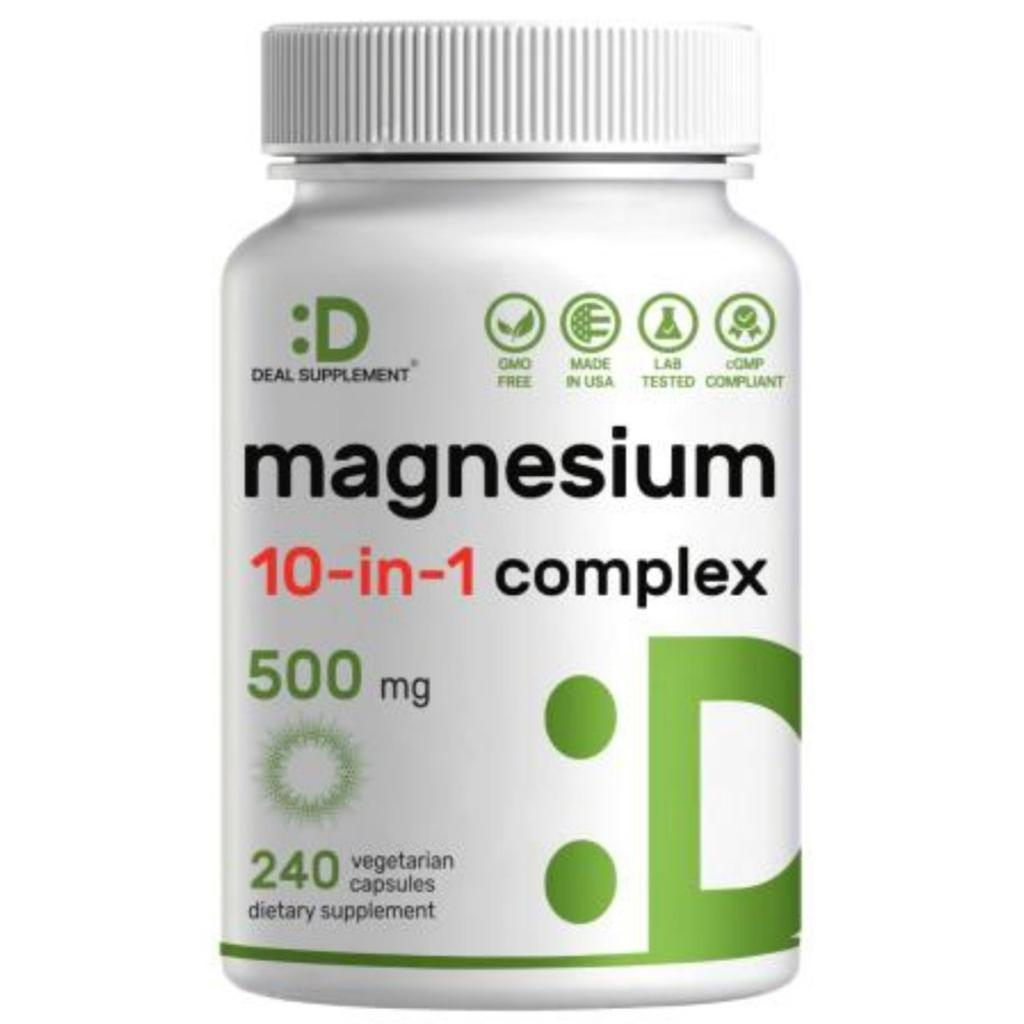
Once you strip away the emotional storytelling, the actual product looks fairly ordinary for the supplement category.
Most Magnesium Complex products combine forms like:
magnesium glycinate, citrate, oxide, or malate alongside calming or sleep-support ingredients.
There’s nothing particularly groundbreaking about that. The “breakthrough” feeling mostly comes from the marketing structure built around the product.
The Funnel Pattern That Shows Up Everywhere
This is where everything starts to feel familiar once you’ve seen a few of these.
The structure behind Magnesium Complex isn’t unique at all. It follows the same pattern used in a lot of viral wellness funnels: emotional fatigue or health anxiety gets introduced first, then a hidden “root cause” is suggested, followed by an authority figure or discovery, then a simple ritual or trick, and finally the supplement positioned as the solution.
The details change depending on the product, but the structure stays almost identical.
I’ve seen the same setup in Brain Honey, Harm Brain, Apex Neuro Elite, and even Alpha Honey Gummies. Sometimes it’s brain health, sometimes it’s weight loss, sometimes it’s “Japanese ritual” style sleep fixes, but the emotional engine underneath is the same each time.
Once you recognize that pattern, it becomes easier to see how these ads are built to guide people toward the same outcome, no matter what the supplement is called.
Is Magnesium Complex Legit or a Scam?
The supplement itself appears to be a real magnesium product. The bigger concern is the way it’s being marketed.
The “10-second ritual” storytelling, vague medical authority, emotional health fears, and transformation-style promises make the funnel feel much more aggressive than the product itself probably deserves. That’s where most of the skepticism comes from.
Final Take
Magnesium itself is not the issue here. It’s the way ordinary magnesium supplements keep getting wrapped inside dramatic health-recovery stories designed to make people feel like they’ve discovered some hidden medical breakthrough.
The Dr. Martha Callaway “10-second ritual” funnel follows that exact pattern.
Once you remove the emotional storytelling and authority-style marketing, what’s left looks much more like a standard supplement than a revolutionary health discovery.
FAQ
Is Dr. Martha Callaway a real doctor?
There is very little verifiable information available confirming the credibility or professional background presented in the ads.
Does Magnesium Complex really help with sleep and stress?
Magnesium may support relaxation and sleep for some people, but the dramatic transformation claims in the ads appear exaggerated.
What is the “10-second ritual”?
The ads describe it as a simple nightly magnesium-related routine, though the funnel mainly uses it as a marketing hook leading toward supplement sales.
Is Magnesium Complex a scam?
The supplement itself appears real, but the marketing around it raises several red flags tied to exaggerated health claims and emotional funnel tactics.
Why are these supplement ads so emotional?
Because emotional storytelling around fatigue, stress, aging, and sleep problems is extremely effective in wellness marketing.