
Is LurenoStyle.com actually a real fashion store you can trust, or just another polished website that only looks good until you try ordering?
That was the exact question I had when I started digging into it, because on the surface it looks like a normal online fashion boutique. Clean design, trendy outfits, and heavy discounts everywhere that make it feel like you’re catching a good deal.
But once I went past the homepage and started checking the actual trust signals, domain details, and real-world footprint, things didn’t stay that smooth.
Quick Take:
- Very new domain with no long-term history
- Low trust score on independent safety tools
- Hidden ownership details (not publicly transparent)
- Weak external brand presence outside its own website
- Dropshipping-style structure with inconsistent signals
- Not confirmed scam, but high-risk and unreliable for shopping
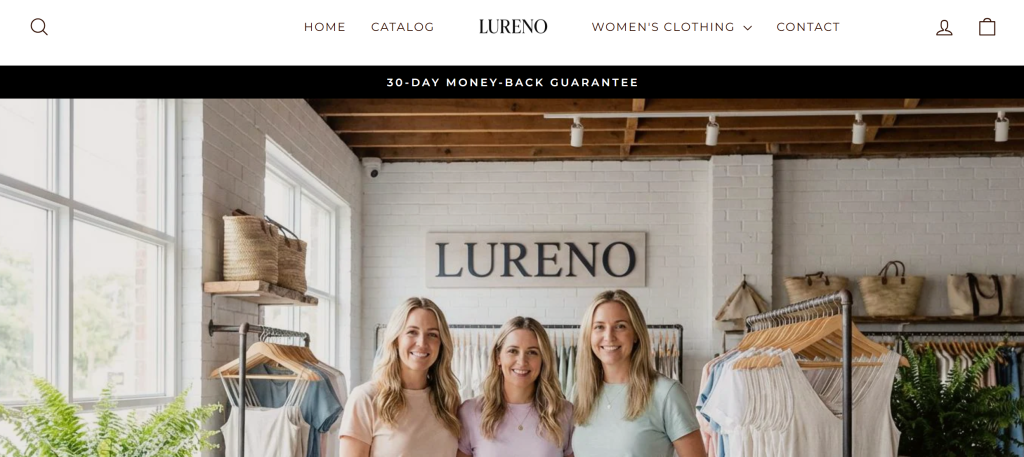
Table of Contents
- What LurenoStyle.com Looks Like at First
- What I Found When I Looked Deeper
- Trust Signals and Risk Check
- Marketing Style
- Red Flags To Consider
- LurenoStyle.com Scam or Legit?
- If You’re Thinking of Buying
- Conclusion
- What to Do If You Already Bought or Got Scammed
- How to Shop Safely Online
What LurenoStyle.com Looks Like at First
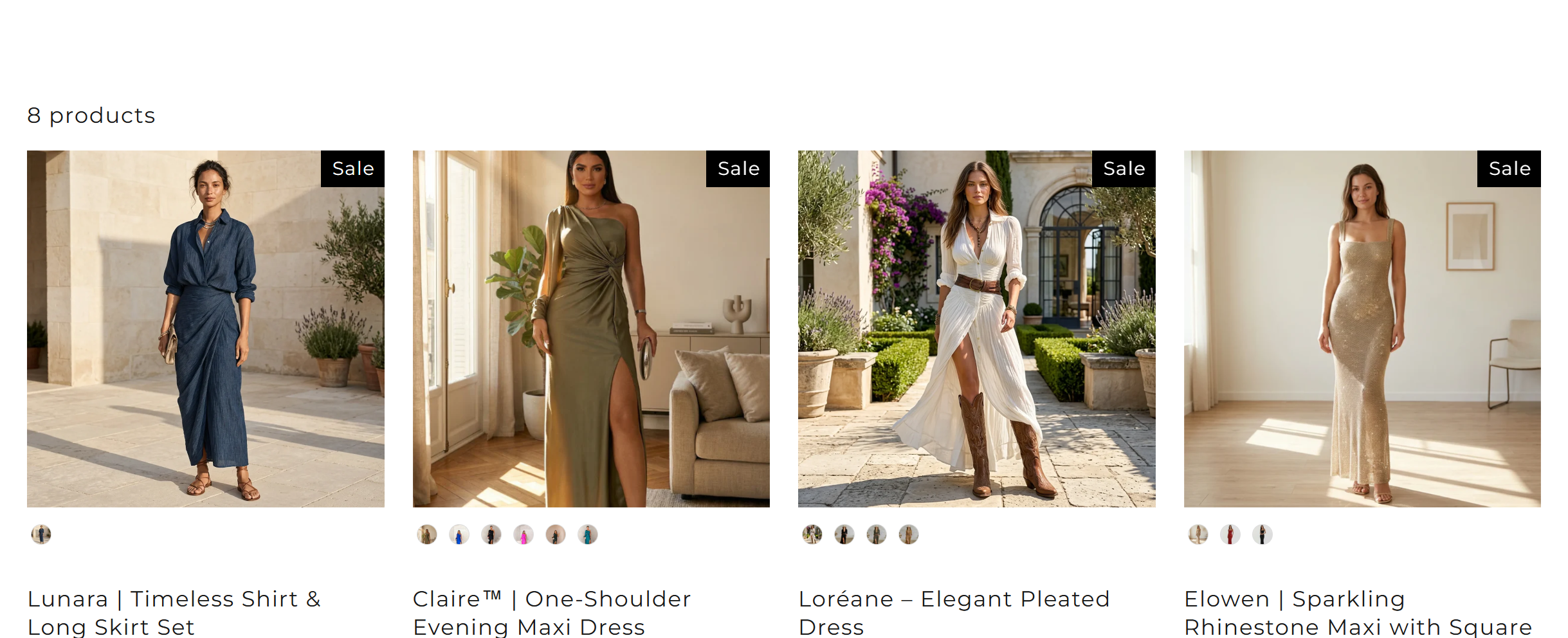
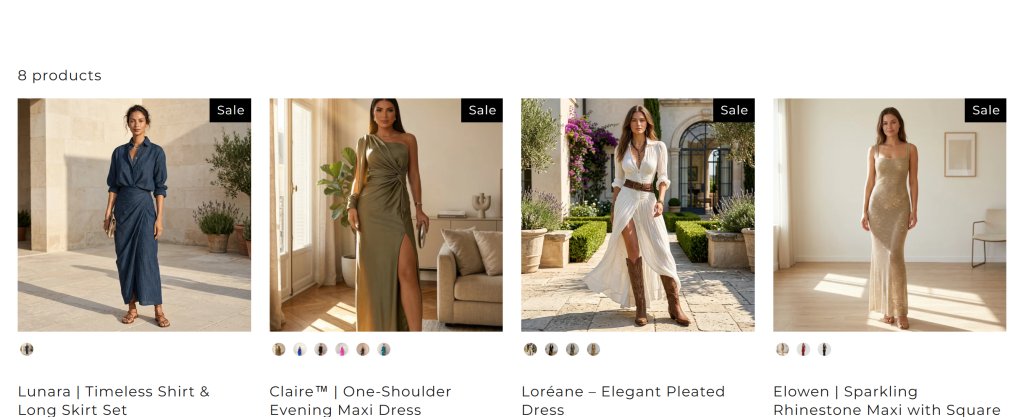
At first glance, LurenoStyle.com looks like a typical modern fashion store. It sells dresses, coats, shoes, and accessories, all presented in a clean boutique-style layout.
Everything is designed to feel simple and appealing:
- heavy discount pricing across most products
- “limited stock” type urgency messages
- polished fashion product images
- smooth, fast checkout experience
Honestly, nothing about the homepage screams danger. It actually feels like a normal fashion store trying to compete online.
But that’s usually where I slow down and start checking what’s behind it.
This is the same pattern I noticed in my Chicuse.com scam review, where everything looked clean on the surface but broke down under trust checks.
What I Found When I Looked Deeper
Once I checked the domain background and trust indicators, the story started changing.
LurenoStyle.com is a very new website with no established long-term history. It also has hidden ownership details, which means you can’t clearly see who is running it or where it is based.
That already raises a question for me, because real fashion brands usually have:
- visible company information
- a traceable business identity
- some form of long-term reputation
Here, that transparency is missing.
Trust Signals and Risk Check
When I looked at independent website safety tools, the results weren’t encouraging.
The site shows:
- low trust scoring (flagged as suspicious by analysis tools)
- limited traffic and weak online footprint
- privacy-protected domain registration
Now, none of this alone proves anything is fake, but when you combine them, it usually points to a new or short-term eCommerce setup rather than an established brand.
That’s the part I always pay attention to.
I also saw similar behavior patterns in my Oowieh.com investigation, especially around discount-heavy funnels and weak transparency.
Marketing Style
Constant discount pressure
Almost every product is shown with big markdowns and “sale” pricing. It feels like everything is on offer all the time.
That creates urgency, but it also removes pricing stability, which is something I’ve seen a lot in short-term fashion stores.
Fast shopping funnel
The site is clearly designed for speed:
- quick product browsing
- minimal distractions
- fast add-to-cart flow
It pushes you to decide quickly instead of comparing or thinking too much.
Broad product catalog
It doesn’t stick to a narrow fashion identity. It sells:
- dresses
- coats
- shoes
- accessories
That wide structure is common in stores that rotate products frequently rather than building a long-term brand identity.
Red Flags To Consider
Very new domain
There is no long-term track record or proven stability behind the store.
Low trust score
Independent tools consistently flag it as low trust or suspicious.
Hidden ownership
No clear business identity or transparent company details.
Weak external presence
Very little real discussion or independent reviews outside the website itself.
Dropshipping-style structure
Broad catalog, heavy discounts, and fast checkout funnel all point to a typical high-risk eCommerce setup.
LurenoStyle.com Scam or Legit?
From everything I’ve seen, I can’t honestly call LurenoStyle.com a confirmed scam. But I also can’t call it a fully reliable fashion store.
It sits in that middle zone where:
- some people may receive their orders normally
- others may experience delays or quality issues
- consistency is not guaranteed
And in my experience, that inconsistency is usually the real risk.
If You’re Thinking of Buying
Based on patterns I’ve seen with similar stores, the outcomes usually fall into three categories:
Best case
You receive your item and it matches expectations reasonably well
Middle case
Shipping delays and slightly lower quality than expected
Worst case
Long delays, poor communication, or refund frustration
That uncertainty is what makes it risky.
Conclusion
LurenoStyle.com looks clean and harmless on the surface, but once I checked the deeper signals, it doesn’t behave like a stable fashion brand.
So I would personally describe it as a high-risk fashion store that might work for some buyers, but is not consistently trustworthy overall.
What to Do If You Already Bought or Got Scammed
If you already ordered from a suspicious store or feel like something went wrong, the most important thing is to act quickly and stay organized.
Start with your payment method. If you used a credit or debit card, contact your bank immediately and request a chargeback under “item not received” or “goods not as described.” If you paid through PayPal, open a dispute in the Resolution Center and escalate it to a claim if the seller doesn’t respond. If it was a direct bank transfer, reach out to your bank’s fraud or disputes team as fast as possible and ask if they can recall or reverse the payment.
Next, gather all your proof in one place. This includes your order confirmation, payment receipt, screenshots of the website, product page, pricing claims, emails, and any chat messages. Don’t delete anything, even if it looks minor. These details are what banks and payment platforms use to decide if you get your money back.
If the store is still contacting you, be careful. Watch out for delay excuses, fake refund promises, or requests for extra payments to “release” your refund. Legit companies don’t ask for additional money to process refunds.
At the same time, secure your personal accounts. Change your email and banking passwords if you reused them anywhere, turn on two-factor authentication, and keep an eye on your bank statements for any unusual activity.
Finally, report the website through your bank and any relevant scam-reporting channels. It helps your case and also helps warn other buyers.
The key thing to understand is this: speed matters. The faster you act, the higher your chances of recovering the money, especially with card payments or PayPal protection.
How to Shop Safely Online
When I review stores like this, I always stick to simple checks:
I look for real reviews outside the website
I avoid stores driven heavily by constant discounts
I check domain age before trusting anything
I prefer payment methods with buyer protection
I don’t trust branding without proof
If a store fails more than one of these checks, I usually don’t take the risk.