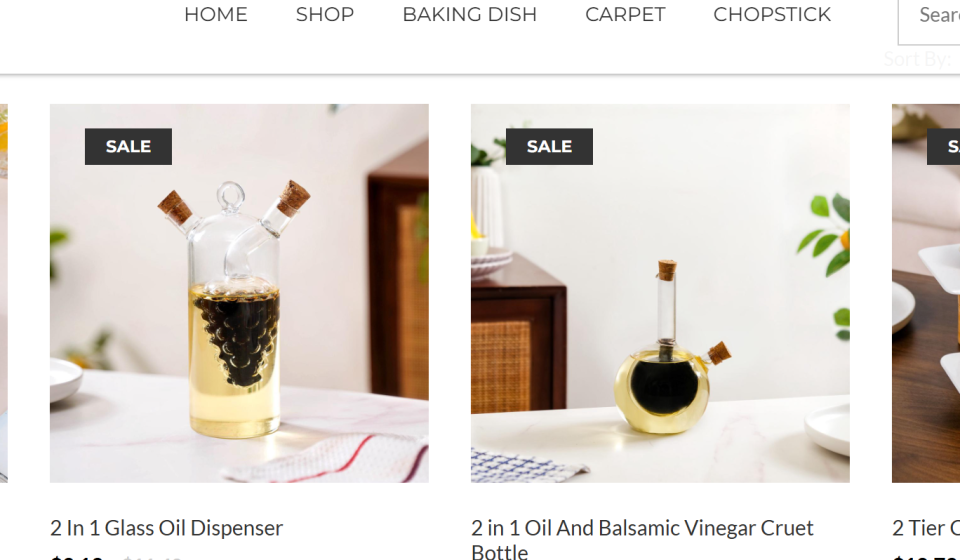

Kitchenhomebase.com presents itself as an online store for kitchen and home-related products, but there is very little behind the website that would make me comfortable recommending it. The store has the kind of setup we’ve seen repeatedly with questionable ecommerce sites: a new domain, weak company information, poor customer support and a website that appears to be built mainly to get shoppers to checkout.
I looked into Kitchenhomebase and found enough warning signs to call it a scam store. The domain was created in April 2026 and expires in April 2027, the business isn’t BBB accredited, and I couldn’t find the kind of established company presence you’d expect from a trustworthy online retailer.
Quick Takeaways
- Kitchenhomebase.com is a scam store I would avoid.
- The store claims to sell kitchen and home products.
- The domain was created in April 2026 and expires in April 2027.
- It is not BBB accredited.
- There is little meaningful company information available.
- Customer support appears to be nonexistent or extremely limited.
- The store fits a wider pattern of questionable ecommerce websites.
- Its short domain history makes the website particularly easy to abandon and replace.

Table of Contents
- Quick Takeaways
- What Is Kitchenhomebase.com Selling?
- Kitchenhomebase.com Has Very Little Company Information
- The Customer Support Is a Problem
- The Domain Is Very New
- How These Scam Stores Operate
- The Website Is Discardable
- Paid Social Ads Can Manufacture Trust
- Discounts That Don’t Pass a Basic Reality Check
- Countdown Timers Are Used to Create FOMO
- Is Kitchenhomebase.com a Scam?
- Before You Buy, Ask Yourself This
- How to Identify Similar Scam Sites
- Rules to Stay Safe Online
- What To Do If You Already Ordered
- Conclusion
What Is Kitchenhomebase.com Selling?
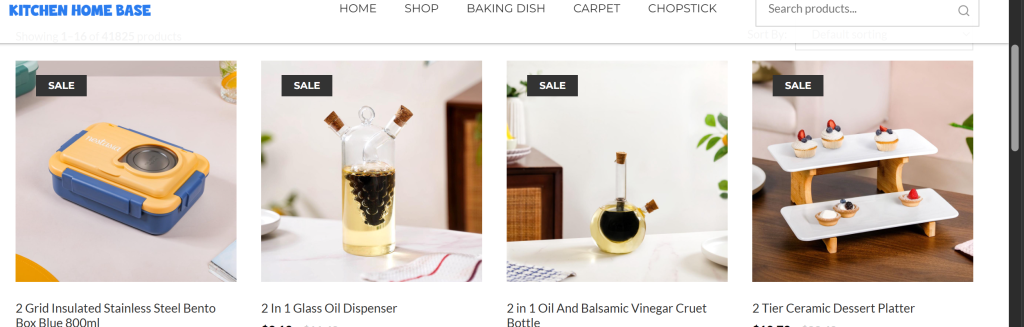
Kitchenhomebase.com appears to target shoppers looking for kitchen products, household items and home-related goods. The store’s name is designed to sound like a dedicated home and kitchen retailer, which can make it feel more established than it actually is.
The problem is that the name alone doesn’t tell you who is behind the business. When I looked beyond the product listings, there wasn’t enough company information to establish a clear and trustworthy business identity.
Kitchenhomebase.com Has Very Little Company Information
A legitimate online store doesn’t need to have a huge corporate operation, but it should make it reasonably easy for customers to know who they’re buying from. A company name, physical business address, working telephone number and responsive customer service are basic things I look for.
Kitchenhomebase doesn’t give shoppers that level of transparency. When a store is asking you to enter payment information but gives you little information about the business operating it, that’s a serious reason to step back.
The Customer Support Is a Problem
Customer service matters even more when you’re buying online because you don’t have a physical shop to visit if something goes wrong. If an order is delayed, damaged or never arrives, the seller needs to be reachable.
Kitchenhomebase has nonexistent customer support, which makes the situation worse. A cheap product isn’t worth much if you can’t get anyone to answer when you need a refund or an update about your order.
The Domain Is Very New
Kitchenhomebase was created in April 2026 and expires in April 2027. A newly registered domain isn’t automatically fraudulent, but it becomes much more concerning when there is also little company history and almost no independent reputation to support the business.
This is one of the patterns I keep seeing with these stores. A website can be launched quickly, advertised aggressively and then abandoned before shoppers have enough time to build a reliable history of the business.
How These Scam Stores Operate
Many of these stores follow a surprisingly simple formula. A new website is created, products are added, attractive prices are displayed and paid social ads are used to push shoppers directly to the store. The goal is to make the site look trustworthy long enough to get the sale.
Some are also connected to a broader scam network, meaning similar websites may use the same templates, product descriptions, images, contact details or operating patterns. When one domain stops being useful, another can take its place.
The Website Is Discardable
The short registration period is worth paying attention to. Kitchenhomebase was created in April 2026 and is currently registered through April 2027.
That doesn’t prove the website will disappear, but a store with such a short history has very little established reputation to lose. If the domain is abandoned, changed or replaced, shoppers may find themselves dealing with a completely different website before complaints have had time to accumulate.
Paid Social Ads Can Manufacture Trust
A professional-looking Facebook, Instagram or TikTok advertisement doesn’t tell you whether the store behind it is legitimate. Anyone can pay to put an advertisement in front of thousands of shoppers.
These ads are particularly effective when they combine attractive products, dramatic discounts and phrases like “limited time” or “closing sale.” They create familiarity quickly, even when the company itself has almost no established history.
Discounts That Don’t Pass a Basic Reality Check
If Kitchenhomebase is advertising extreme discounts, don’t assume you’ve discovered a hidden bargain.
Prices advertised at extreme markdowns are a common bait tactic. Real businesses cannot consistently offer “too good to be true” discounts across wide product categories without cutting corners, selling counterfeits, or running a straight non-delivery scheme.
The better approach is to compare the product’s actual price elsewhere. Don’t focus only on the percentage the website claims you’re saving.
Countdown Timers Are Used to Create FOMO
Countdown timers are another tactic I would watch closely. When a timer says you only have a few minutes or hours left, it creates pressure to buy before you’ve had time to research the store.
That’s exactly what FOMO is designed to do. If you see a countdown, ignore it and investigate the business anyway. A legitimate discount shouldn’t require you to stop thinking before making a purchase.
Is Kitchenhomebase.com a Scam?
Yes. I consider Kitchenhomebase.com a scam store and would not recommend shopping there.
The lack of meaningful company information and customer support is enough to make me uncomfortable, and the very new domain makes the situation worse. There simply isn’t enough evidence of an established retailer behind the website to justify handing over your payment information.
Before You Buy, Ask Yourself This
Who exactly am I buying from? If you can’t answer that question after checking the website’s About Us, Contact and company information pages, don’t rush to checkout.
A good online store should make you feel comfortable verifying the business. If you have to rely entirely on the product photos, discounts and sales messages, you’re giving the website more trust than it has earned.
How to Identify Similar Scam Sites
Look for the same combination of warning signs: a very new domain, extreme discounts, copied or generic website content, missing company details, poor customer support and aggressive sales tactics. One warning sign may have an innocent explanation, but several appearing together should make you stop.
I’ve seen this same pattern in stores such as Brixzoom and Toyokoyo. Checking the domain age, searching the company name independently and looking for genuine customer experiences before buying can help you spot these websites before you lose money.
Rules to Stay Safe Online
Never let a discount or countdown timer make the decision for you. Search the store’s name, check when the website was created, compare prices with established retailers and look closely at the Contact Us and About Us pages.
Also avoid entering your card details simply because a website looks professional. A polished design is easy to copy. The business behind the website is what matters.
What To Do If You Already Ordered
Keep your order confirmation, payment receipt, screenshots of the product and copies of any emails you exchanged with the store. If the website later disappears, those records can become important.
If your order doesn’t arrive or the seller stops responding, contact your bank or payment provider as soon as possible. Explain what happened and ask what options are available for disputing the transaction.
Conclusion
Kitchenhomebase.com is a scam store that I would avoid. The website doesn’t provide enough company information to establish who is actually behind it, and there is no meaningful customer support to give shoppers confidence.
