
Jelly Boost Gummies are being advertised online as a simple way to support weight loss, metabolism, appetite control, and energy. The problem is that searching for Jelly Boost doesn’t lead to one consistent product. Different pages use the same name for different formulas, different purposes, and even different types of supplements.
That made this one worth digging into a little more than usual. There are Jelly Boost pages promoting weight management, while others sell a men’s vitality gummy. I also found recent complaints from people who say they ordered one product and received something different, along with reports of unexpected charges.
Quick Takeaways
- Jelly Boost is being sold under more than one supplement offer.
- One version is marketed for weight management and metabolic support.
- Another version is marketed toward men’s vitality and sexual performance.
- The weight-loss version highlights ingredients such as apple cider vinegar, BHB salts, apple pectin, and beet root.
- There is no clinical trial showing that Jelly Boost itself causes meaningful weight loss.
- Research on individual ingredients cannot automatically be applied to the finished gummy.
- Some Jelly Boost pages appear to change products or redirect buyers to another supplement during checkout.
- Recent consumer complaints include wrong products, unexpected charges, difficulty getting refunds, and misleading advertising.
- I would be particularly careful before entering card details on any Jelly Boost page.
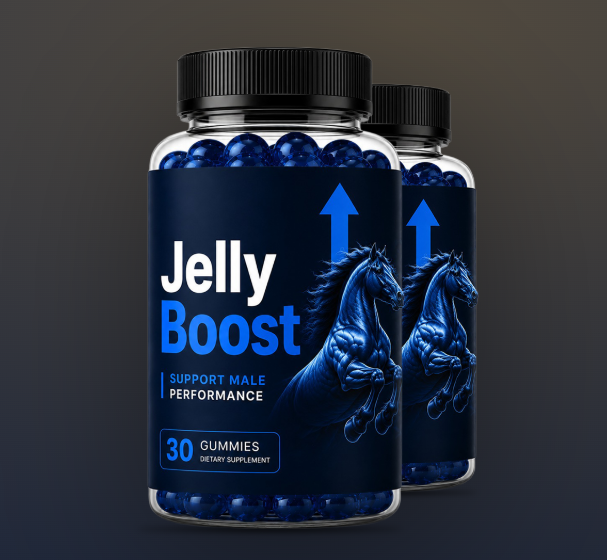
Table of Contents
- Quick Takeaways
- What Is Jelly Boost Gummies?
- How Jelly Boost Is Marketed
- The Weight-Loss Formula
- What Does the Evidence Say?
- The Product Identity Problem
- The Customer Complaints
- Does Jelly Boost Have Side Effects?
- What Concerns Me About Jelly Boost
- Before You Buy Jelly Boost, Ask Yourself This
- Is Jelly Boost Worth Buying?
- What To Do If You Already Ordered
- Pattern I Keep Seeing
- Is Jelly Boost Legit or a Scam?
- Safer Alternatives
- BottomLine
- Frequently Asked Questions
What Is Jelly Boost Gummies?
The name Jelly Boost is currently being used for more than one type of supplement, which is probably the first thing a potential buyer needs to know. One version is presented as a weight-management gummy. It talks about appetite, metabolism, fat burning, blood sugar, and energy, and highlights ingredients including apple cider vinegar, BHB salts, apple pectin, and beet root powder. Another Jelly Boost product is a blue gummy marketed toward men, with a completely different ingredient story involving things such as L-arginine, tongkat ali, tribulus, maca, horny goat weed, and zinc. These aren’t small differences in packaging. They’re completely different products aimed at different customers. That makes it difficult to talk about “the Jelly Boost formula” as though there is one established product behind the name.
How Jelly Boost Is Marketed
The weight-loss version uses the familiar language found across many online weight-management supplements. It suggests that the gummies can support the breakdown of stored fat, improve metabolism, reduce cravings, support energy, and help maintain weight after losing it.
The sales presentation also leans heavily on the idea that the product is an easier alternative to complicated diets, powders, or capsules. That’s an effective way to sell a gummy because it makes the product feel simple and convenient.
The problem starts when general wellness language turns into an expectation of noticeable fat loss. A supplement containing apple cider vinegar, beet root, or pectin isn’t automatically capable of producing the kind of weight-loss results implied by an aggressive sales funnel.
The Weight-Loss Formula
The weight-management version I’ve found highlights four main ingredients: apple cider vinegar, BHB salts, apple pectin, and beet root powder.
There are reasonable reasons for putting these ingredients into a supplement. Apple cider vinegar has been studied in relation to body weight and metabolic markers, pectin is a source of soluble fiber, and beet root contains naturally occurring compounds that have been studied for cardiovascular and exercise-related effects.
But the ingredient list doesn’t tell us enough on its own. The amounts of the individual ingredients and the actual evidence for this specific combination matter much more than simply seeing familiar names printed on a sales page.
Apple Cider Vinegar
Apple cider vinegar has become extremely popular in weight-loss products. There is some human research suggesting that vinegar consumption may have modest effects on appetite, blood glucose, or body weight, but the evidence isn’t strong enough to turn it into a reliable fat-burning ingredient.
There is also a major difference between studies involving liquid vinegar consumed in specific amounts and a gummy containing an unspecified quantity of apple cider vinegar. Without knowing the exact dose in Jelly Boost, it’s impossible to assume the product provides the same exposure used in research.
BHB Salts
BHB, or beta-hydroxybutyrate, is a ketone body associated with the body’s use of fat for energy. Exogenous BHB supplements can raise blood ketone levels, which is why they’re often marketed toward people interested in ketosis.
That doesn’t mean swallowing BHB automatically causes the body to burn a meaningful amount of body fat. Raising blood ketones and losing stored body fat are two different things.
Apple Pectin
Pectin is a soluble fiber found naturally in fruits. Fiber can contribute to feelings of fullness and supports normal digestive function, so its inclusion in a weight-management formula isn’t unusual.
Again, the dose matters. Without a clearly disclosed amount, there’s no good reason to assume the pectin in one Jelly Boost gummy will have a significant appetite-suppressing effect.
Beet Root
Beet root contains dietary nitrates and other compounds that have been studied for their effects on blood flow and exercise performance. It’s a reasonable ingredient for a general wellness formula.
The leap from beet root’s known properties to significant weight loss is much harder to justify. Nothing about the ingredient by itself establishes that Jelly Boost will make someone lose excess body fat.
What Does the Evidence Say?
There is some research behind several ingredients used in weight-management supplements, but that doesn’t give Jelly Boost a clinical track record.
Apple cider vinegar has produced modest and inconsistent findings in human studies. Pectin has a legitimate place in a high-fiber diet, while BHB supplements can influence ketone levels. None of that demonstrates that this particular gummy produces the weight-loss results shown or implied by its marketing.
I couldn’t find a published human clinical trial testing the complete Jelly Boost formula for weight loss. That’s the part that matters when a company is selling the finished product rather than the individual ingredients.
The Product Identity Problem
This is where Jelly Boost becomes considerably harder to recommend. A weight-loss page can lead a visitor to believe they’re buying Jelly Boost, only for the purchase buttons to direct them toward LeanBliss. The page itself describes LeanBliss as a newer version, which means someone can arrive because they searched for Jelly Boost and end up purchasing a different product.
Then there’s the separate Jelly Boost men’s formula, which has a different bottle, different ingredients, different purpose, and different pricing.
A company can certainly change a product or operate multiple product lines. What bothers me here is the lack of a clear, consistent explanation connecting these different offers. A customer shouldn’t have to figure out which Jelly Boost is real by comparing several unrelated sales pages.
The Customer Complaints
There are now multiple recent complaints associated with Jelly Boost and names connected to its sales operation. One customer reported paying $167.99 and receiving apple cider vinegar instead of the weight-loss product they believed they ordered. Another reported paying $294 after seeing a weight-loss presentation and said the products received did not match what was expected.
There are also reports of much larger losses involving Jelly Boost/NutraForce, including a complaint describing an additional charge the customer says they did not authorize.
These are individual complaints, so they don’t prove that every Jelly Boost buyer will have the same experience. But when complaints involve the product received, unexpected charges, and difficulty reaching the seller, they become relevant to anyone deciding whether to hand over payment information.
Does Jelly Boost Have Side Effects?
The possible side effects depend on which Jelly Boost product you’re actually buying, because the name is being used for different formulas. For the weight-management version, apple cider vinegar can cause stomach irritation, nausea, or digestive discomfort in some people. Pectin and other fiber-containing ingredients can also cause gas, bloating, or changes in bowel movements, particularly when someone isn’t accustomed to much fiber.
BHB supplements can cause digestive symptoms as well, and people with diabetes or other metabolic conditions should not assume that a product marketed for ketosis or blood sugar support is appropriate for them. Anyone taking medication for blood sugar, blood pressure, or another chronic condition should check the ingredients with a healthcare professional before using it.
The biggest safety issue here may actually be knowing what you’re receiving. If the product delivered doesn’t match the product advertised, you can’t reasonably evaluate its ingredients or potential interactions until you identify exactly what is inside the bottle.
What Concerns Me About Jelly Boost
The biggest concern isn’t that the ingredients are unusual. It’s the fact that the Jelly Boost name appears to be attached to several different products and sales funnels.
The weight-loss offer can transition into LeanBliss, while another Jelly Boost website sells a men’s vitality gummy. The formulas, promises, pricing, and guarantees change depending on which page you’re looking at.
Then there are the recent customer complaints involving wrong products and unexpected charges. Even if someone believes the ingredients themselves are harmless, that doesn’t solve the much more basic question of whether they’re dealing with a consistent and accountable seller.
Before You Buy Jelly Boost, Ask Yourself This
Which Jelly Boost are you actually buying? Don’t rely on the name alone. Check the bottle shown on the checkout page, the exact ingredient panel, the seller name, the product name appearing beside the payment button, and the name that will appear on your card statement. If those details don’t match, stop before paying.
It’s also worth asking whether you’re buying Jelly Boost because you genuinely want the ingredients or because a video or advertisement promised unusually fast weight loss. If it’s the latter, the sales pitch may be doing more work than the product itself.
Is Jelly Boost Worth Buying?
I wouldn’t recommend buying Jelly Boost based on the weight-loss claims alone. The ingredients in the weight-management version aren’t inherently ridiculous, but there isn’t enough evidence showing that the finished gummy produces meaningful weight loss. The inconsistent product identity makes the situation even harder to evaluate because you can’t be certain that every Jelly Boost page is selling the same formula.
The customer complaints are another reason to hold back. There are simply too many unanswered questions about the seller, product received, and payment experience for this to be an easy recommendation.
What To Do If You Already Ordered
Start with the package you received rather than the advertisement you remember seeing. Check the exact product name, Supplement Facts panel, manufacturer or distributor information, and expiration date.
Then compare that information with your order confirmation and credit-card statement. If you ordered a weight-loss product but received something completely different, take photographs of the packaging and keep the original shipping materials.
If you see a charge you don’t recognize, contact the seller immediately and keep a record of your communication. If the seller doesn’t resolve the issue, contact your card issuer or payment provider and explain what happened. Don’t throw away the product or packaging while you’re trying to resolve the dispute.
Pattern I Keep Seeing
This is a pattern that shows up repeatedly with aggressively marketed supplements: the ad creates one identity for the product, while the checkout introduces another company, product, or set of terms. We’ve seen a similar issue with Betterbrand Mullein Gummies.
Jelly Boost stands out because the same name is being used for completely different products and health claims. When the product, formula, and seller aren’t consistent, it’s worth checking exactly what you’re buying before paying.
Is Jelly Boost Legit or a Scam?
There are real Jelly Boost-branded products being sold online, so this isn’t simply a case of a nonexistent supplement with a fake bottle.
However, the Jelly Boost sales operation raises serious concerns. The conflicting product identities, redirects to other products, inconsistent guarantees, and recent complaints about wrong orders and unexpected charges make it difficult to recommend the brand with confidence.
I would not tell readers that every Jelly Boost order is automatically a scam. But I also wouldn’t tell them it’s a straightforward, trustworthy weight-loss supplement.
Safer Alternatives
If your goal is weight management, there are better ways to approach it than relying on a gummy making aggressive fat-burning promises. A food-based diet with adequate protein and fiber, regular physical activity, sufficient sleep, and appropriate medical support has considerably more evidence behind it. If you’re struggling with significant weight gain, appetite problems, or blood-sugar issues, finding out what’s driving the problem is more useful than jumping between online supplements.
If you still want to use a supplement, choose one with a clearly disclosed ingredient panel, identifiable manufacturer, straightforward checkout, and a verifiable return policy.
BottomLine
Jelly Boost is not a product I’d recommend rushing to buy.
The weight-loss ingredients have some legitimate uses, but the finished gummy hasn’t been shown to produce the results promised in its marketing. The bigger concern is the confusing collection of Jelly Boost products and the recent complaints about orders and charges.
My verdict: Too many red flags and too much confusion around the product and seller. I’d skip it.
Frequently Asked Questions
What is Jelly Boost Gummies supposed to do?
The weight-management version is marketed for appetite control, metabolism, energy, and weight loss. However, another Jelly Boost product is marketed toward men’s vitality, so the answer depends on which product you’re looking at.
Does Jelly Boost really help you lose weight?
There isn’t enough evidence to say that Jelly Boost itself causes meaningful weight loss. Some of its individual ingredients have been studied, but that research doesn’t prove the finished gummy works as advertised.
What ingredients are in Jelly Boost?
The weight-loss version highlights apple cider vinegar, BHB salts, apple pectin, and beet root powder. Other Jelly Boost products use completely different formulas.
Why are there different Jelly Boost products online?
The Jelly Boost name appears to be used across multiple sales pages and supplement offers. Some promote weight management, while others target men’s vitality.
Can Jelly Boost cause side effects?
It can. Depending on the formula, possible problems include nausea, stomach discomfort, gas, bloating, diarrhea, or other digestive symptoms.
Is Jelly Boost FDA approved?
No dietary supplement should be assumed to be FDA-approved for effectiveness simply because a sales page mentions the FDA. Jelly Boost is marketed as a dietary supplement rather than an FDA-approved weight-loss medication.
Are there complaints about Jelly Boost?
Yes. Recent complaints include reports of receiving products that didn’t match what customers believed they ordered and unexpected charges. These reports are individual experiences, but they’re worth knowing about before purchasing.

[…] and turning them into more convenient products. We’ve seen a similar approach with Jelly Boost Gummies, where the delivery format becomes almost as important as the ingredient […]