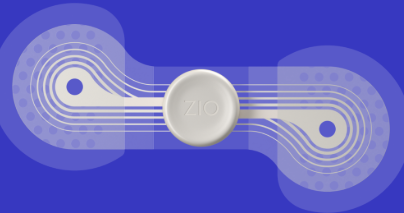

A normal heart test doesn’t always mean there’s nothing wrong. Someone can experience sudden palpitations, dizziness, or an irregular heartbeat, visit the hospital, and have an electrocardiogram that shows nothing unusual. That’s because an ECG records what the heart is doing during the test, not necessarily what happened hours earlier or what might happen tomorrow. The iRhythm Zio Heart Monitor was developed to address that problem. Instead of recording the heart’s electrical activity for a few seconds, it uses a small adhesive patch worn on the chest to collect data continuously for up to 14 days. It’s a promising approach, particularly for people whose symptoms appear unpredictably. But wearing a monitor for two weeks introduces its own concerns, including skin irritation, delayed results, and potentially confusing medical bills. I wanted to know whether the longer recording period genuinely improves the chances of detecting heart rhythm problems, how reliable the technology is, and what patients should understand before agreeing to wear one.
Quick Takeaways
- Product: iRhythm Zio Heart Monitor, a prescription-only cardiac monitoring device.
- Manufacturer: iRhythm Technologies, a US medical technology company.
- Purpose: Records the heart’s electrical activity to help doctors investigate irregular heart rhythms.
- Monitoring period: Up to 14 days of continuous ECG recording.
- Main advantage: Can capture intermittent rhythm abnormalities that shorter tests may miss.
- Results: Recorded data is analysed after the device is returned, with reports typically sent to the prescribing clinician within one to four business days of receipt.
- Limitations: Not an emergency alert device, and wearing the adhesive patch can cause skin reactions.
- Cost: Depends on insurance coverage, provider billing arrangements, and financial assistance eligibility.
- Verdict: A clinically established option for investigating intermittent heart rhythm problems, but its value depends on the patient’s symptoms, the type of monitoring needed, and how the results will influence treatment.
Table of Contents
- Quick Takeaways
- What Is the iRhythm Zio Heart Monitor?
- Why Monitoring for 14 Days Can Make a Difference
- How the Zio Monitoring Process Works
- Wearing the Patch for Two Weeks Has Its Drawbacks
- Zio Monitor vs Holter Monitors, Smartwatches, and Zio AT
- How Much Does the iRhythm Zio Heart Monitor Cost?
- Bottom Line: Is the iRhythm Zio Heart Monitor Worth It?
What Is the iRhythm Zio Heart Monitor?
The Zio monitor is a small, wearable electrocardiogram recorder developed by iRhythm Technologies. Unlike a smartwatch that measures pulse patterns using optical sensors, the Zio patch records electrical signals produced by the heart. Those signals provide information about the timing and pattern of heartbeats, helping clinicians identify abnormalities such as atrial fibrillation, supraventricular tachycardia, and other rhythm disturbances. The device is placed on the left side of the chest and uses an adhesive backing to remain attached during everyday activities. It doesn’t require the wires and separate recording unit associated with many traditional Holter monitors, which makes it less cumbersome to wear. The current Zio monitor is cleared by the US Food and Drug Administration for prescription use in adults aged 18 and older. It’s intended for people who may experience palpitations, dizziness, shortness of breath, fainting episodes, or other symptoms that could be associated with an abnormal heart rhythm. Some patients may also have no noticeable symptoms despite experiencing an arrhythmia. An important distinction is that Zio is a diagnostic monitoring service rather than a consumer gadget that someone simply buys to check their heart whenever they want. A healthcare professional orders the test, the device collects the information, and the findings are interpreted in the context of the patient’s medical history. The patch itself doesn’t treat a heart condition or establish why every symptom occurs.
Why Monitoring for 14 Days Can Make a Difference
The strongest argument for the Zio monitor is supported by clinical research, not just the manufacturer’s advertising. A standard ECG provides a brief recording, while a conventional Holter monitor commonly records for 24 to 48 hours. Those tests can be extremely useful, but they have an obvious limitation when symptoms occur only once or twice a week. If an abnormal rhythm doesn’t happen during the recording period, the test may fail to capture it. Zio extends the observation window to as long as 14 days, increasing the opportunity to record less frequent events. A 2019 systematic review examined 22 studies involving the Zio patch and found that arrhythmia detection increased when monitoring continued beyond 48 hours, with additional findings appearing after seven days. The average wear time across the studies was approximately 10.4 days, suggesting that many patients were able to keep the device attached for a substantial part of the prescribed period. However, the review included research involving an iRhythm-affiliated author, and its pooled findings shouldn’t be interpreted as proof that every patient needs two weeks of monitoring. The benefit depends on how frequently an abnormal rhythm occurs and what the clinician is trying to diagnose. Someone experiencing symptoms several times every day may obtain useful results from a shorter test. A person whose symptoms occur only once a month might need a different monitoring strategy altogether. I think this is where the Zio system makes the most sense: it addresses a genuine weakness of short recordings without requiring patients to remain in a hospital for extended observation.
How the Zio Monitoring Process Works
Using Zio involves more than attaching a patch and waiting for a diagnosis. The monitor is applied according to the prescribing provider’s instructions, and the patient wears it throughout the assigned recording period while following the device’s activity and care restrictions. Depending on the model and instructions, patients may be asked to mark symptoms using a button on the patch and record what they were experiencing at the time. This helps the clinician compare reported symptoms with the corresponding ECG recording. That’s useful because a person might feel their heart racing even when the rhythm is normal, while some clinically important abnormalities occur without any noticeable sensation. Once monitoring is complete, the patient removes the device and returns it using the supplied mailing materials. iRhythm then processes the stored ECG data using its analysis technology, including its ZEUS algorithm, and qualified technicians review the findings before a report is sent to the prescribing clinician. The company says reports are typically delivered within one to four business days after the returned monitor is received. That turnaround doesn’t include the time spent wearing the device, shipping it back, or waiting for the doctor’s follow-up appointment. The resulting report can show the types of rhythm abnormalities detected, their duration, and how they relate to recorded symptoms. But a report isn’t the same thing as a final diagnosis. The clinician still needs to decide whether the findings explain the patient’s symptoms and whether additional testing or treatment is necessary. A technically successful recording may also come back without detecting an abnormality, especially when symptoms are infrequent.
Wearing the Patch for Two Weeks Has Its Drawbacks
The absence of wires makes Zio more convenient than many older monitors, but wearing an adhesive patch continuously isn’t completely effortless. iRhythm advises patients to avoid showering and activities that cause sweating during the first 24 hours, when the adhesive is settling onto the skin. After that, brief showers and light exercise are generally permitted, but swimming, soaking the device, and excessive sweating should still be avoided. These restrictions can be inconvenient for people who exercise regularly, work outdoors, or live in hot climates. Skin irritation is another concern, and it’s more than a theoretical possibility. The FDA’s medical device reporting database contains complaints involving itching, burning, rashes, and blistering associated with Zio monitors. In one reported case from July 2025, a patient developed irritation severe enough to require medical treatment. Such reports don’t establish how frequently reactions occur or prove that the device caused every reported injury, but they show why adhesive sensitivity matters. iRhythm specifically warns against use in patients with known allergies to certain medical adhesives and instructs patients to remove the patch if severe irritation or allergic symptoms develop. The monitor also must not be worn during MRI examinations because its components can create safety risks. I wouldn’t dismiss these limitations simply because the device is small. A patient who cannot tolerate the adhesive may be unable to complete the intended monitoring period, potentially reducing the usefulness of the test.
Zio Monitor vs Holter Monitors, Smartwatches, and Zio AT
One thing I appreciate about the Zio system is that it has a clearly defined medical purpose, but it isn’t the right monitoring method for every situation. A traditional Holter monitor remains useful when symptoms occur frequently enough to be captured within a day or two, and its shorter recording period may be sufficient for a particular clinical question. Smartwatches offer a different kind of convenience. Some can record a short ECG when the wearer activates the feature, while others can detect irregular pulse patterns, but they don’t provide the same continuous, multi-day electrical recording as a prescribed Zio patch. The distinction becomes important when someone has an abnormal rhythm while sleeping or experiences an episode too briefly to activate a watch. iRhythm also offers Zio AT, which differs from the standard Zio monitor by transmitting cardiac information during the monitoring period through a separate wireless gateway. That allows selected events to be reviewed without waiting for the entire wear period to finish, although Zio AT is still not a substitute for emergency medical care. The standard Zio monitor doesn’t use cellular communication to send live alerts, so it shouldn’t be chosen for someone who requires immediate monitoring of potentially dangerous heart rhythms. For patients with very infrequent unexplained fainting episodes, clinicians may consider longer-duration event monitors or implantable loop recorders. These alternatives aren’t necessarily better or worse. They serve different diagnostic needs, which is why choosing the appropriate test matters more than choosing the device with the longest advertised recording period.
How Much Does the iRhythm Zio Heart Monitor Cost?
Unlike an ordinary consumer health device, Zio doesn’t have a straightforward retail price that applies to every patient. In the United States, it’s generally supplied as part of a prescribed medical service, and the amount someone pays depends on their insurance coverage, deductible, provider arrangements, and the billing structure used for the test. iRhythm says the service is covered by Medicare and many commercial insurance plans, but coverage doesn’t necessarily mean there will be no out-of-pocket expense. Patients may receive charges for the technical monitoring service and separate charges associated with the prescribing or interpreting healthcare provider. The company lists billing codes CPT 93243 and 93247 for technical services involving different monitoring durations, which can help patients identify what their insurer is being asked to cover. iRhythm also offers financial assistance, payment plans, and discounted self-pay arrangements for eligible patients. What I find potentially frustrating is that the final bill may not be obvious when the patch is first prescribed. An insurance Explanation of Benefits can arrive before the actual bill, and the amount shown on it isn’t necessarily what the patient will ultimately owe. Before starting the test, I’d recommend asking the healthcare provider whether iRhythm or the clinic will bill for the service, checking the expected patient responsibility with the insurer, and requesting information about financial assistance if needed. That conversation won’t make the test medically better, but it can prevent an unpleasant surprise after the monitoring is finished.
Bottom Line: Is the iRhythm Zio Heart Monitor Worth It?
The iRhythm Zio Heart Monitor addresses a genuine diagnostic problem, and there’s credible clinical evidence supporting the value of extended ECG monitoring for intermittent heart rhythm abnormalities. I wouldn’t describe it as a miracle device or assume it will identify the cause of every unexplained symptom, but its ability to collect continuous data over several days can give clinicians information that a brief examination might miss. Its strongest use is in patients whose suspected rhythm disturbances are frequent enough to be captured during the prescribed period but unpredictable enough to escape shorter tests. The main reasons to hesitate are practical rather than evidence of an illegitimate product: some patients cannot tolerate the adhesive, results aren’t available immediately, and insurance billing can be complicated. I also wouldn’t choose it when urgent rhythm monitoring is necessary. For someone whose doctor has recommended Zio after an inconclusive ECG or because of recurring palpitations, I think it’s a reasonable, clinically established option worth discussing. The important thing is to understand what the test can detect, what happens after the recording, and how the results might change medical care. Its value isn’t in the patch itself but in whether the information it provides helps the clinician make a better-informed decision.
Read also >>> Gotosleeps.com Review: Scam or Legit? What Hundreds of Buyers Are Saying