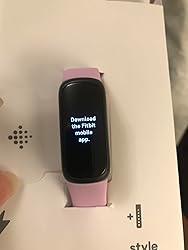

I bought the Fitbit Inspire 3 after realizing how inactive I’d quietly become. Not in some dramatic “life reset” kind of way. I just noticed my days had slowly turned into:
work, sit, scroll, sleep… repeat.
I originally considered getting another smartwatch, but the idea of charging something every night and dealing with nonstop notifications already felt exhausting before even buying one.
The Inspire 3 stood out because it felt lighter, simpler, and less demanding. I wanted something that could quietly help me move more, track my sleep, and keep me a little more aware of my habits without turning fitness into a full-time project. That ended up being exactly what this thing does best.
Quick Takeaways
- Extremely good battery life compared to most smartwatches
- Comfortable enough to wear all day and overnight
- Sleep tracking became one of my favorite features
- Motivates movement without feeling obsessive
- Notifications and alarms work surprisingly well
- More fitness tracker than true smartwatch
- Fitbit Premium feels unnecessary for most people
- Great for people who want simple health tracking without smartwatch overload
What the Fitbit Inspire 3 Actually Is
The Fitbit Inspire 3 is a slim fitness tracker focused mainly on step counting, heart rate monitoring, sleep tracking, activity tracking, and basic smartphone notifications. It is designed more as a lightweight wellness companion than a full smartwatch like the Apple Watch.
That distinction matters because I think a lot of disappointment comes from people expecting this tiny tracker to behave like a premium smartwatch.
It doesn’t. And personally, I think it’s better because of that.
Why I Tried It
Battery life was one of the biggest reasons I bought it. I got tired of devices that barely survived a full day before needing to be charged again. The Inspire 3 promising around 10 days of battery life immediately sounded more practical for real daily use.
I also liked how low-profile it looked. Some smartwatches feel like tiny phones attached to your arm. This feels much lighter and less distracting.
My Experience Using It
The first thing I noticed was how comfortable it felt. It’s light enough that I genuinely forget I’m wearing it sometimes, which ended up making sleep tracking far more useful for me.
And the battery life really is one of the best parts. I consistently got around 9 to 10 days depending on brightness, syncing, and notifications. Coming from devices that constantly needed charging, this felt incredibly refreshing.
The sleep tracking also became something I unexpectedly cared about. Seeing patterns in my sleep habits made me more aware of how inconsistent my routine actually was.
One thing Fitbit does very well is subtle motivation. The reminders to move and daily step goals helped more than I expected. Not in some life-changing fitness transformation kind of way. More like small nudges that quietly keep health habits in front of you throughout the day.
Smart Features: Useful but Limited
You can still receive texts, app notifications, alarms, timers, and phone alerts on the Inspire 3. The “find my phone” feature also turned out to be surprisingly useful.
But this is still not a true smartwatch replacement. The screen is small, there are no speakers, and interaction is limited compared to something like an Apple Watch. Personally, I preferred that simplicity because I didn’t want another device constantly demanding attention.
Accuracy & Daily Use
For general health tracking, it performs well. The step counting, heart rate monitoring, and sleep tracking all felt reasonably accurate for a consumer fitness tracker. That said, I would never treat it like medical equipment.
I also noticed the fit matters a lot. If the band shifts too loosely during sleep or workouts, the readings become less reliable.
The Fitbit Premium Situation
This was probably my biggest annoyance. Fitbit pushes the Premium subscription heavily, but I never really felt like I needed it. The free features already give enough information for most people tracking:
- steps
- sleep
- heart rate
- workouts
- and activity trends
The paid version mostly felt like extra data layered onto information I already understood.
What I Liked
The biggest strengths for me were the battery life, comfort, simplicity, and how low-maintenance the whole experience feels. It quietly fits into daily life instead of constantly interrupting it.
I also liked that it motivated me without making fitness feel obsessive.
What Didn’t Work for Me
The screen is definitely small, and some people will probably find it too limited visually. The watch faces are also pretty basic. I also miss desktop syncing support because viewing everything through a phone app can sometimes feel restrictive. And the constant Fitbit Premium upselling gets annoying after a while.
Other Products to Consider
Apple Watch SE
Garmin Vivosmart 5
Samsung Galaxy Fit 3
Amazfit Band 7
Final Thought
The Fitbit Inspire 3 feels less like a flashy tech gadget and more like a simple accountability tool you naturally build into your routine.
It doesn’t overload you with features.
It doesn’t constantly demand attention.
And that simplicity ended up being the main reason I kept wearing it.
Also Read my review on Neakasa Magic 1