
Have you seen ads warning that parasites, heavy metals, fungi, viruses, and even microplastics are secretly destroying your health from the inside?
If so, you’ve probably come across BioCleanse, sometimes marketed through dramatic stories involving “Harvard’s Dr. James B. Connor” and claims about hidden toxins that conventional medicine supposedly ignores.
The marketing is designed to grab attention immediately. You’re told that fatigue, brain fog, digestive problems, low energy, weight gain, and dozens of other symptoms may be caused by invisible invaders accumulating inside your body. Then BioCleanse is introduced as the solution. That’s what made me want to take a closer look.
In this review, we’ll look at what BioCleanse is actually selling, how the marketing is structured, and whether the claims hold up under closer inspection.
Quick Takeaways
- BioCleanse is marketed as a full-body detox supplement
- The sales pitch focuses heavily on hidden toxins and internal contaminants
- A Harvard-linked doctor is used as a major credibility driver
- The product is promoted as addressing a surprisingly wide range of health concerns
- The detox narrative is much bigger than the evidence presented
- The marketing follows a formula commonly seen in supplement funnels
Table of Contents
- Quick Takeaways
- What Is BioCleanse?
- The Harvard Connection
- The Detox Story
- The Biggest Red Flag
- A Pattern I Keep Seeing
- Is BioCleanse Legit or a Scam?
- Conclusion
- Frequently Asked Questions
What Is BioCleanse?
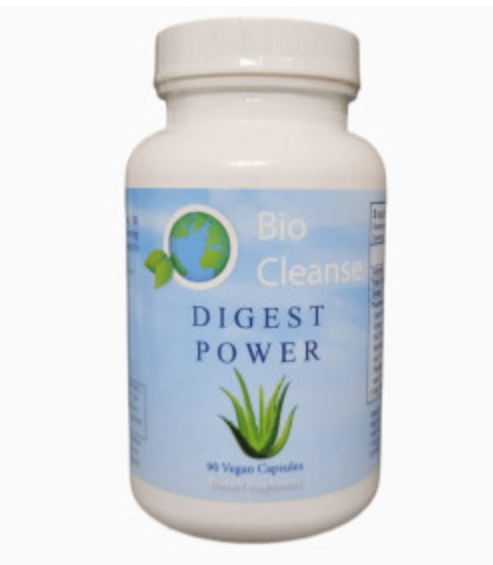
BioCleanse is sold as a cleansing supplement designed to help remove unwanted substances from the body.
Depending on where you encounter the product, those substances may include parasites, heavy metals, fungi, environmental toxins, or microplastics.
The formula contains a mix of ingredients commonly found in detox and wellness supplements. Nothing about the ingredient list feels particularly unusual for this category.
What stands out is not the ingredients themselves but the scope of the promises attached to them.
The Harvard Connection
One thing I always pay attention to is when a supplement relies heavily on a university name or professional title. BioCleanse repeatedly uses the “Harvard’s Dr. James B. Connor” story as part of its sales narrative. For many buyers, that instantly creates trust.
The problem is that a prestigious name can sometimes become the focus of the marketing instead of the evidence behind the claims. Whenever a supplement spends a lot of time building authority, I want to know whether that authority is doing the heavy lifting for the product.
The Detox Story
The overall message is familiar. You’re told that harmful substances have accumulated inside your body. Those substances are then connected to a long list of symptoms. Finally, a supplement is introduced as the solution.
It’s a powerful marketing structure because it turns complicated health concerns into a simple cause-and-effect story. The challenge is that real health issues are rarely that simple.
The Biggest Red Flag
The product isn’t focused on one problem. It’s focused on almost everything.
Parasites.
Heavy metals.
Fungi.
Viruses.
Microplastics.
Environmental toxins.
Digestive health.
Energy levels.
Immune support.
When one supplement is presented as a solution for such a wide collection of unrelated concerns, I start becoming more cautious. The broader the promises become, the harder they are to evaluate.
A Pattern I Keep Seeing
BioCleanse reminds me of products like Gluco Thrive Blood Optimizer, Liraé Ceylon Cinnamon, Primus Aged Garlic Extract, and Melt Drops.
The specific problem changes from product to product, but the structure stays remarkably similar. A hidden threat is introduced. Readers are told most people don’t know about it. Then a supplement is positioned as the breakthrough solution.
Sometimes the threat is blood sugar. Sometimes inflammation. Sometimes parasites or toxins. The formula rarely changes.
Is BioCleanse Legit or a Scam?
BioCleanse appears to be a real supplement that people can buy. The bigger question is whether the marketing creates expectations that the product can realistically meet.
Most of my concerns come from the advertising itself rather than the fact that the supplement exists.
Conclusion
The most interesting thing about BioCleanse isn’t the ingredient list. It’s the story wrapped around it. The marketing combines detox fears, hidden-health-threat messaging, and academic authority into a package that feels convincing on the surface.
Before focusing on the promises, I’d focus on the evidence behind them. That’s usually where the most useful answers are found.
Frequently Asked Questions
What is BioCleanse supposed to do?
BioCleanse is marketed as a detox supplement that claims to help remove parasites, heavy metals, environmental toxins, and other unwanted substances from the body while supporting overall health.
Is Harvard’s Dr. James B. Connor real?
The marketing heavily emphasizes a Harvard connection, but consumers should independently verify any credentials or affiliations used in supplement advertising rather than relying solely on sales-page claims.
Does BioCleanse actually remove toxins?
That’s the central claim, but proving that a supplement removes specific toxins from the body is much more difficult than the marketing often suggests. Many detox products make broad claims without providing clear evidence of measurable toxin removal.
Is BioCleanse a scam?
BioCleanse appears to be a real supplement that can be purchased. The bigger concern is whether the marketing promises more than the available evidence can support.
Why do detox supplements get criticized?
Many detox products are criticized because they link a wide range of symptoms to vague “toxins” without clearly showing what is being removed or how the results are measured.
Should you buy BioCleanse?
That depends on your expectations. If you’re expecting a complete body detox that solves multiple health issues at once, the marketing may be setting expectations higher than the evidence currently supports.