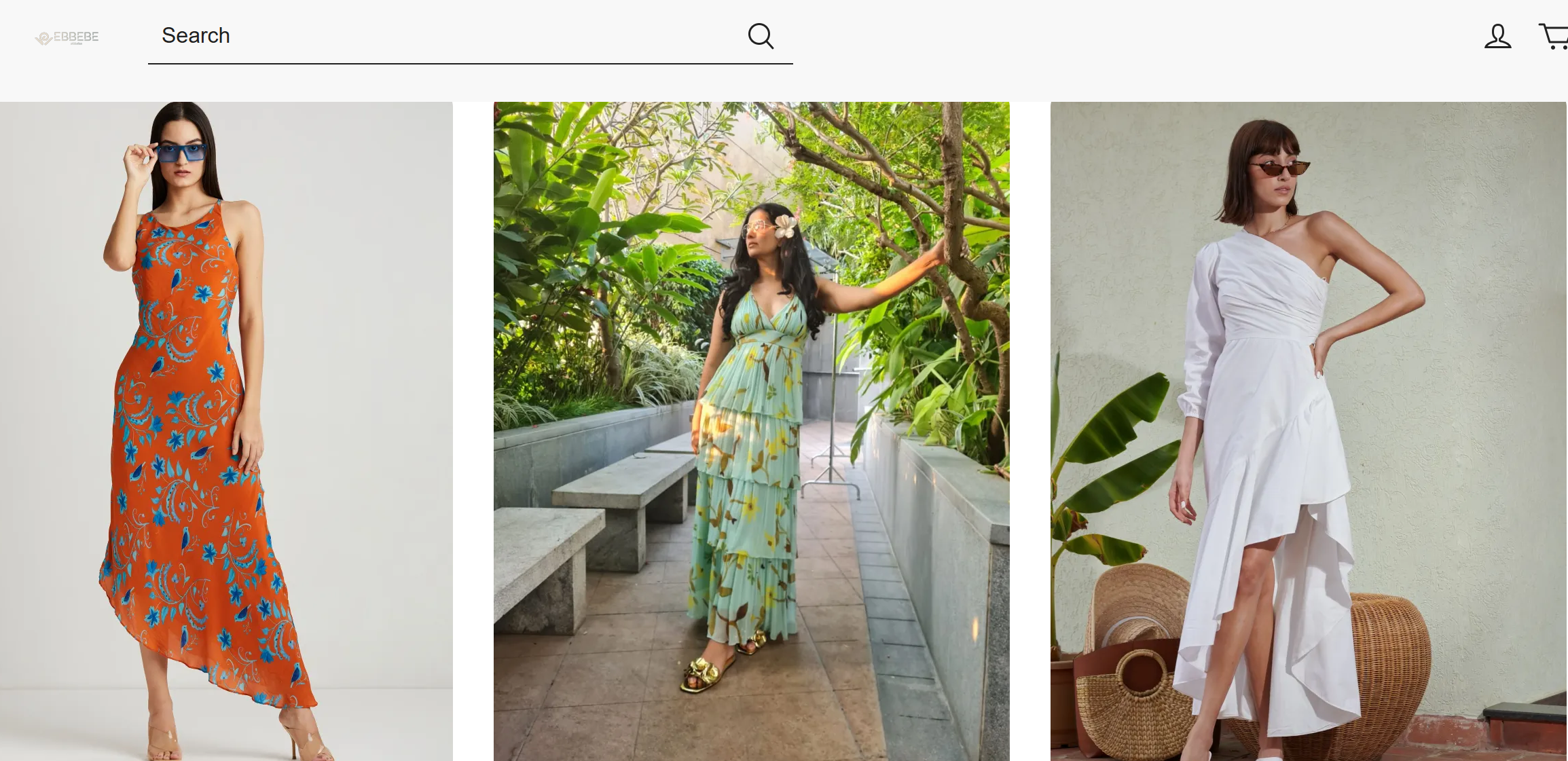

Harper & Lily Coastal Boutique Clothing looks like the kind of store designed to make you stop scrolling. Soft coastal colors, relaxed fashion, boutique-style photography, and discounts that make everything feel affordable.
What caught my attention wasn’t the clothing. It was how familiar the overall setup felt. The store presents itself as a boutique clothing brand with a personal story behind it, but there are a few things shoppers should look at before placing an order.
This review will look at what Harper & Lily Coastal Boutique Clothing is selling, the trust concerns I found, how the store operates, and whether it feels like a legitimate boutique or a store worth approaching carefully.
Quick Takeaways
- Sells women’s clothing, dresses, tops, sweaters, and casual fashion
- Boutique-style branding built around a coastal lifestyle theme
- Large discounts appear across much of the store
- Limited transparency about the people behind the business
- Several characteristics commonly seen in heavily advertised fashion stores
- Overall risk lean: mixed to risky
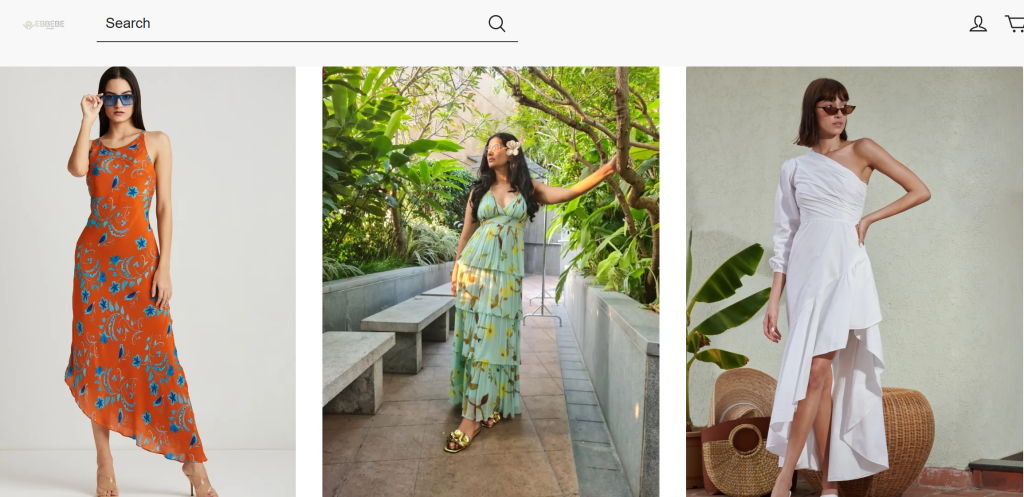
Table of Contents
- Quick Takeaways
- What Is The Store Selling?
- Red Flags
- What You Ordered vs What You Got
- How The Store Usually Works
- Why The Story Keeps Changing
- A Pattern I Keep Seeing
- What To Do If You’ve Ordered
- Is It Legit or a Scam?
- Conclusion
- FAQ
What Is The Store Selling?
Harper & Lily Coastal Boutique Clothing focuses on women’s fashion inspired by relaxed coastal living. The store is filled with flowy dresses, lightweight tops, knitwear, cardigans, matching sets, and casual outfits designed to look comfortable and effortless.
The branding is built around a lifestyle more than a clothing collection. Everything is presented as calm, timeless, and easy to wear. The photography reinforces that feeling. Models are often shown in beachside settings, natural environments, and relaxed poses that make the clothing feel connected to a particular lifestyle.
The products themselves aren’t unusual. What stands out is how heavily the store leans into the boutique image while offering substantial discounts across large portions of the catalog.
That combination always makes me curious because genuine boutiques rarely need to put nearly everything on sale at the same time.
Red Flags
Weak Domain History
One of the first things I look for is whether the business history matches the image being presented. Harper & Lily feels like a long-running boutique brand when you browse the site, but finding clear information about the company’s history, ownership, or physical retail presence is much harder.
The branding feels established. The transparency does not.
Unsecure or Weak Payment Structure
The checkout process appears standard enough. The bigger question is what happens after an order is placed.
With stores like this, the real test usually comes when shoppers need help with delayed orders, returns, exchanges, or refunds. That’s where strong customer support becomes important.
Customer Experience Reports
The biggest complaints associated with stores that follow this model tend to be surprisingly similar. The clothing often looks premium in photos, but expectations don’t always match reality after delivery.
Common frustrations include longer-than-expected shipping times, fabric quality that feels different from what buyers expected, sizing inconsistencies, and difficulty navigating return requests. The issue isn’t always that products fail to arrive. It’s that the experience often falls short of the impression created by the marketing.
Common Marketing Signals
Harper & Lily relies heavily on discount-driven shopping. Large markdowns appear throughout the site, creating the feeling that shoppers are getting access to boutique clothing at unusually low prices. The store also uses urgency-focused sales language designed to encourage quicker purchasing decisions. The discounts become part of the story being sold. Not just the clothing itself.
What You Ordered vs What You Got
This is where stores like Harper & Lily often succeed or fail. The product photography creates a specific expectation. The clothing looks soft, premium, comfortable, and thoughtfully designed.
When buyers receive products that feel less premium than the images suggested, disappointment follows quickly.
The gap isn’t always dramatic.
Sometimes it’s simply that the fabric, fit, stitching, or overall finish doesn’t match the boutique image that convinced someone to buy in the first place.
How The Store Usually Works
The Ad Sells A Lifestyle
Harper & Lily isn’t simply selling clothing. It’s selling a coastal lifestyle. The idea of relaxed mornings, easy fashion, beach-town simplicity, and effortless style is woven into almost every part of the branding.
That’s often what attracts buyers before they’ve spent much time evaluating the actual products.
Fulfillment Routes Through External Suppliers
Many boutique-style online stores rely on third-party fulfillment and supplier networks. That doesn’t automatically mean poor quality.
It does mean the store may have less direct control over shipping speed, product consistency, and customer support outcomes.
Shipping and Return Delays
This is where many customer frustrations begin. Returns can become more complicated than expected, response times may slow down, and refund processing can take longer than shoppers anticipate.
Those issues become much more noticeable when expectations were set very high by the storefront.
Why The Story Keeps Changing
One pattern I keep noticing with fashion stores in this category is the constant rotation of sales narratives. One month it’s a seasonal sale.
The next month it’s a clearance event.
Then it’s a special collection release.
Then it’s another limited-time promotion.
The names change. The urgency stays exactly the same. That’s often a sign that the sale itself is part of the business model rather than a genuinely limited event.
A Pattern I Keep Seeing
Harper & Lily Coastal Boutique Clothing reminds me of stores like Alice London Clothing, Ava Scarlett Boutique, Emblem Boutique, Donna’s Dresses, and Amoonlark.
Different branding.
Different aesthetics.
The same underlying formula. Boutique storytelling, lifestyle-focused marketing, large discounts, and limited transparency behind the storefront.
What To Do If You’ve Ordered
If you’ve already placed an order, save copies of everything. Keep your order confirmation, payment receipt, tracking information, and screenshots of the product pages.
If issues arise, contact customer support immediately and document all communication.
If the problem isn’t resolved, speak with your payment provider about available dispute or chargeback options.
Is It Legit or a Scam?
Harper & Lily Coastal Boutique Clothing appears to be a functioning online store rather than a fake website that never ships products.
The concern is trust and consistency. The store presents itself like an established boutique brand, but there isn’t enough transparency behind the operation to place it in the same category as well-known retailers.
That doesn’t mean every order will result in problems. It does mean shoppers should approach the store with realistic expectations.
Conclusion
Harper & Lily Coastal Boutique Clothing does a good job selling the image of a relaxed boutique fashion brand. The clothing may appeal to shoppers who enjoy the coastal aesthetic.
The bigger question is whether the experience behind the storefront matches the image being presented. That’s the part I would want to be confident about before placing an order.
FAQ
What does Harper & Lily Coastal Boutique Clothing sell?
Women’s clothing including dresses, tops, knitwear, matching sets, and casual fashion.
Is Harper & Lily Coastal Boutique Clothing legit?
It appears to be an active online store, but transparency around the business is limited.
Why are the prices heavily discounted?
The store relies heavily on promotional pricing and sale-driven marketing.
Is Harper & Lily Coastal Boutique Clothing safe to order from?
Shoppers should use payment methods that provide buyer protection and proceed carefully.
What should I do if I have a problem with my order?
Contact customer support first and keep records of all communication. If necessary, contact your payment provider regarding dispute options.