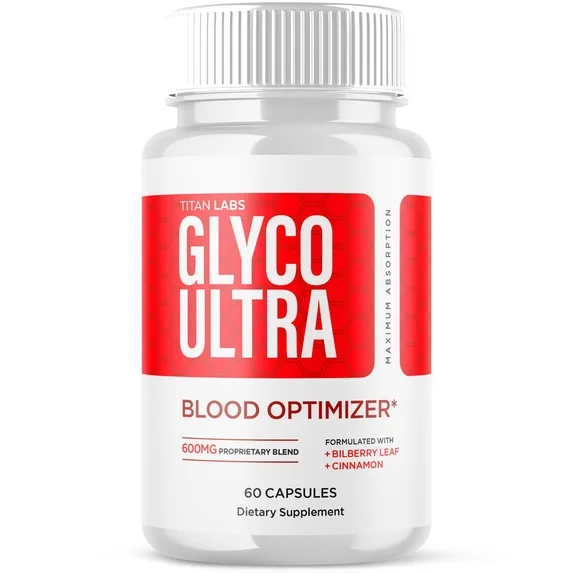

The first thing that stood out to me while researching Glyco Ultra was how aggressively the ads push fear around blood sugar spikes and hidden metabolic problems.
The product is marketed less like a normal blood sugar supplement and more like a hidden metabolic breakthrough that supposedly resets glucose levels, supports weight loss, boosts energy, and fixes cravings naturally.
In this review, we’ll break down what Glyco Ultra actually is, how the blood sugar and metabolism marketing works, and why the whole funnel starts raising questions once you slow down and really look at it.
Quick Takeaway
- Glyco Ultra is marketed as a blood sugar, metabolism, and appetite support supplement
- Ads heavily target people worried about insulin resistance, cravings, prediabetes, and belly fat
- The marketing strongly overlaps with “natural Ozempic” and GLP-1 trend funnels
- There is no evidence Glyco Ultra works like semaglutide or prescription diabetes medications
- The funnel relies heavily on fear, medical-style language, and exaggerated metabolic claims
What Glyco Ultra Claims To Do
Glyco Ultra is sold as a supplement designed to:
support healthy blood sugar,
reduce cravings,
boost metabolism,
increase energy,
and help with weight management.
The marketing repeatedly frames unstable glucose as the hidden cause behind:
weight gain,
fatigue,
brain fog,
constant hunger,
and stubborn fat storage.
Then Glyco Ultra gets positioned as the thing that supposedly “resets” metabolism naturally.
That’s the real hook.
The ads are clearly targeting people searching for:
natural Ozempic alternatives,
blood sugar spike remedies,
semaglutide substitutes,
insulin resistance supplements,
and appetite suppressants.
Ingredient Breakdown
The formulas being promoted usually contain ingredients commonly found in blood sugar supplements.
That may include things like:
berberine,
chromium,
cinnamon extract,
bitter melon,
alpha-lipoic acid,
or herbal metabolism blends.
Some of these ingredients do have research tied to glucose metabolism support individually.
But the marketing takes those ingredient associations and stretches them into:
dramatic fat loss,
metabolic reset claims,
rapid appetite suppression,
and major blood sugar transformation promises.
That’s where the funnel starts separating from reality.
There’s a huge difference between:
supporting normal metabolism,
and acting like a prescription GLP-1 medication.
No over-the-counter supplement has been shown to reproduce the clinical effects associated with semaglutide or Ozempic-level weight loss.
The Marketing Angle
This was probably the biggest red flag for me. Glyco Ultra barely markets itself like a standard supplement.
The funnel focuses almost entirely on emotional fear and frustration:
blood sugar spikes,
prediabetes anxiety,
energy crashes,
weight gain,
constant hunger,
and fear of developing diabetes later.
Then the product gets framed like the hidden answer mainstream medicine supposedly ignores. That emotional setup is doing most of the persuasion here.
The supplement itself almost feels secondary to the story being sold around it.
Fake Authority and Medical-Style Framing
A lot of these blood sugar funnels rely heavily on medical-style authority.
The ads use:
scientific graphics,
glucose charts,
doctor-style explanations,
health warnings,
and clinical wording designed to make the product feel medically established.
Even when fake doctors are not directly named, the structure still mimics medical credibility very closely. Some funnels also rely on suspicious testimonials, AI-style reviews, overly polished transformations, or affiliate-style “review” sites that all repeat the same talking points. That pattern keeps showing up across viral metabolism supplement campaigns right now.
The “Clinically Backed” Illusion
The ads constantly throw around phrases like:
glucose optimization,
insulin balance,
metabolic activation,
blood sugar stabilization,
and appetite hormone support.
It sounds convincing very quickly. But there are no transparent product-specific clinical trials showing Glyco Ultra produces the dramatic results implied throughout the marketing.
The supplement also does not appear to be FDA-approved for treating:
diabetes,
prediabetes,
obesity,
insulin resistance,
or metabolic disease.
That’s an important detail the funnel quietly avoids emphasizing.
Domain Setup and Transparency
While researching Glyco Ultra, I noticed the product appears mostly through affiliate-style supplement funnels and rotating promotional pages rather than one long-established metabolic health company with strong public transparency.
The exact original domain creation date could not be reliably verified from one stable official company domain consistently tied to the product. That type of rotating funnel structure is extremely common in aggressive supplement marketing campaigns.
Emotional Selling Tactics
The emotional pressure throughout the ads is extremely obvious once you slow down and pay attention to the structure.
The marketing leans heavily into:
fear of diabetes,
fear of aging,
fear of losing control of weight,
food cravings,
low energy,
and frustration with failed dieting attempts.
Then Glyco Ultra gets introduced as the “simple natural fix” people supposedly never heard about. That emotional storytelling is what keeps these funnels performing so well online.
Urgency and Funnel Tactics
Like many viral supplement campaigns, Glyco Ultra uses:
countdown timers,
limited-time discounts,
bulk bundle pricing,
and “official website only” pressure tactics.
The goal is to create urgency before people take time to properly research the claims.
Real User Experience Pattern
Real-world experiences with blood sugar supplements are usually much more modest than the ads suggest.
Some users may notice:
small appetite changes,
mild energy improvements,
or gradual support when combined with proper diet and lifestyle changes.
Others notice very little. That is very different from the dramatic “metabolic reset” language used throughout the funnel.
There’s also the issue of side effects that aggressive supplement marketing rarely talks about openly, especially digestive discomfort, headaches, or blood sugar fluctuations some people may experience with certain ingredients.
A Pattern I Keep Seeing
Glyco Ultra follows the exact same funnel structure I’ve already seen in Thermo Burn Pro, SlimTides, Tivoras, Brain Honey, and other viral wellness products.
Different health category.
Same system underneath.
Fear.
Hidden internal issue.
Scientific buzzwords.
Medical-style authority.
Simple shortcut solution.
Then the supplement reveal.
Once you start spotting the pattern, these funnels become extremely predictable.
Is Glyco Ultra Legit or a Scam?
Glyco Ultra appears to be a real supplement product.
The bigger concern is the marketing surrounding it, especially the exaggerated blood sugar claims, semaglutide-style positioning, and medical-style framing designed to make the supplement feel much more clinically proven than it actually appears to be.
Conclusion
Glyco Ultra is marketed like a hidden metabolic breakthrough capable of stabilizing blood sugar, suppressing cravings, boosting fat burning, and helping people regain control of their health naturally.
But once the emotional storytelling, glucose fear, and medical-style language are stripped away, what remains looks much closer to a standard blood sugar supplement wrapped inside the current GLP-1 and metabolism hype cycle.
FAQ
Does Glyco Ultra lower blood sugar?
Some ingredients may support normal glucose metabolism, but there is no proof of dramatic blood sugar correction.
Is Glyco Ultra like Ozempic or semaglutide?
No. There is no evidence it works like prescription GLP-1 medications.
Is Glyco Ultra FDA approved?
No. Dietary supplements are not FDA-approved treatments for diabetes or obesity.
Can Glyco Ultra help with weight loss?
Some people may experience mild appetite or metabolism support, but dramatic fat loss claims are not clinically proven.
Are Glyco Ultra reviews real?
Some reviews online appear heavily promotional or affiliate-driven, so buyers should approach dramatic testimonials cautiously.
Is Glyco Ultra legit?
The supplement may physically exist, but the marketing appears heavily exaggerated compared to the available evidence.