
Have you come across Datapivotly.com and wondered whether it’s a legit store or just another risky online shop? The mix of clothing, shoes, dinnerware, and home products definitely caught my attention. In this review, I’ll show you what stood out, the red flags I found, and whether I’d feel comfortable placing an order myself.
Quick Takeaways
- Sells women’s clothing, men’s clothing, shoes, dinnerware, ceramic cups, and home products
- Store name doesn’t appear connected to the products being sold
- Broad catalog covering multiple unrelated categories
- Limited brand identity and specialization
- Independent customer reputation appears limited
- Overall risk lean: moderate to high caution
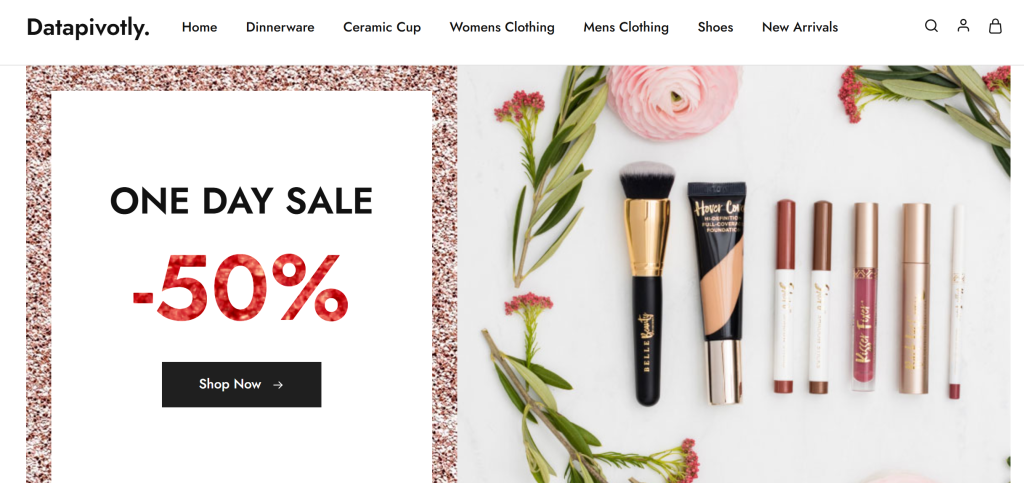
Table of Contents
- Quick Takeaways
- What Is Datapivotly. Selling?
- Red Flags
- What You Ordered vs What You Got
- How The Store Usually Works
- Why The Story Keeps Changing
- A Pattern I Keep Seeing
- What To Do If You’ve Ordered On Datapivotly.
- Is Datapivotly. Legit or a Scam?
- Conclusion
- FAQ
What Is Datapivotly. Selling?
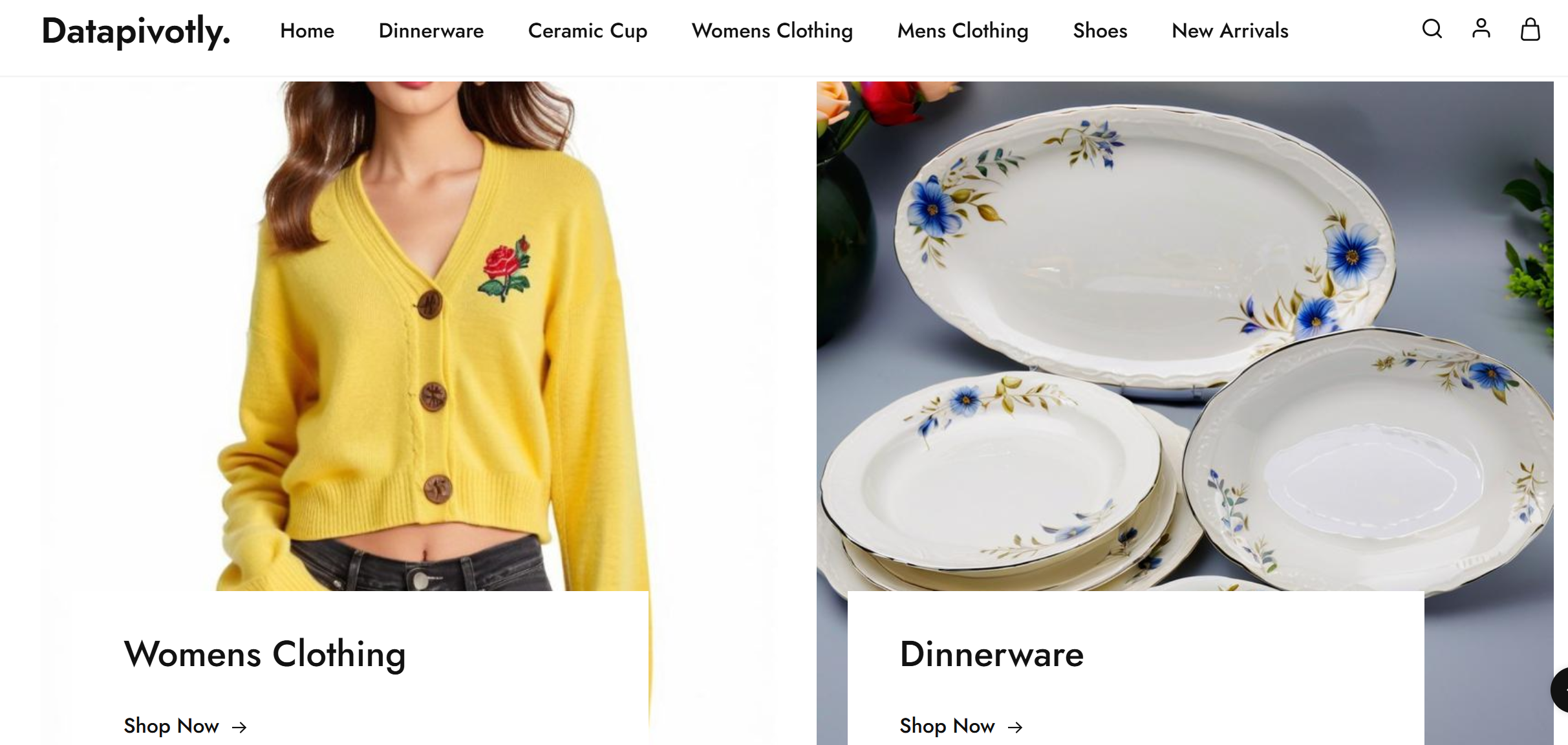
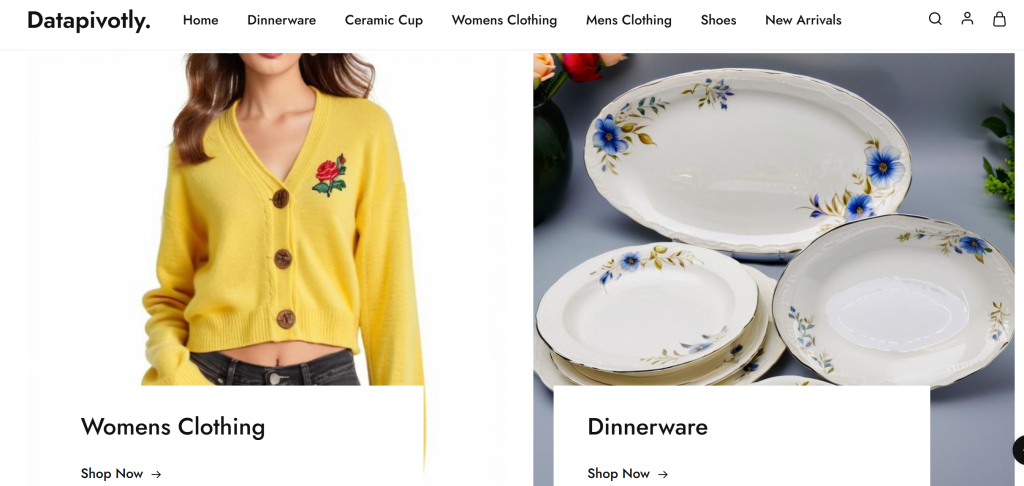
Datapivotly.com operates more like a general ecommerce store than a focused retail brand. One minute you’re looking at women’s fashion. The next you’re browsing dinnerware sets and ceramic mugs. Then men’s clothing and shoes appear in the catalog.
There’s nothing inherently wrong with selling multiple product categories, but it creates an identity problem. The strongest online stores usually stand for something. A fashion boutique focuses on fashion. A home décor brand focuses on home décor. A kitchenware company focuses on kitchen products.
Datapivotly feels like several stores combined into one. The result is a storefront that offers variety but doesn’t establish much expertise in any particular category.
Red Flags
Weak Brand Identity
The biggest thing that stood out to me wasn’t a discount or a sales tactic. It was the brand itself. “Datapivotly” sounds like a technology company, not a retailer selling clothing and ceramic cups. When a store name feels completely disconnected from the products being sold, it raises questions about how the business was built and whether the brand has a genuine retail identity behind it.
Broad Product Categories
The catalog covers:
- Women’s clothing
- Men’s clothing
- Shoes
- Dinnerware
- Ceramic cups
- Lifestyle products
That’s a lot of unrelated inventory under one roof. Stores with broad catalogs often rely on supplier networks rather than a carefully curated brand vision.
Customer Experience Reports
I found very little independent customer discussion surrounding Datapivotly.com. That’s one of the challenges when evaluating newer or lesser-known stores.
Without substantial third-party feedback, it’s difficult to verify:
- Product quality
- Shipping reliability
- Customer service responsiveness
- Return experiences
The absence of reviews doesn’t automatically mean a problem exists, but it leaves shoppers with fewer trust signals.
Common Marketing Signals
The site relies primarily on product imagery and catalog variety rather than strong brand storytelling. The focus appears to be getting visitors to browse multiple categories rather than building confidence through company history or specialization.
That’s a common structure among general ecommerce stores.
What You Ordered vs What You Got
This is where stores like Datapivotly often succeed or fail. The website may show attractive product photos across several categories.The challenge comes when products are sourced from different suppliers.
A ceramic mug and a pair of shoes don’t require the same manufacturing standards.
A dress and a dinnerware set don’t require the same quality controls.
When a store spans many categories, consistency becomes harder to maintain. That’s where expectation gaps often appear.
How The Store Usually Works
The Store Sells Variety
The appeal is convenience. Instead of specializing in one niche, the site tries to attract many different kinds of shoppers at once. That creates more opportunities for sales but often weakens the overall brand identity.
Supplier-Based Fulfillment
The structure suggests a supplier-driven model. Rather than operating as a dedicated fashion brand or home goods company, the store appears to source products across multiple categories.
That can create inconsistent quality experiences from one purchase to another.
Shipping and Return Delays
With multi-category stores, fulfillment often depends on where individual products are sourced. That can lead to varying shipping timelines and customer service experiences depending on what was ordered.
Why The Story Keeps Changing
One thing I noticed is that the store doesn’t really have a clear story. Fashion brands usually talk about style. Home brands usually talk about design. Lifestyle brands usually talk about a specific lifestyle. Datapivotly seems to shift depending on the product category you’re viewing. That makes the business feel more like a marketplace-style operation than a focused retail brand.
A Pattern I Keep Seeing
Datapivotly.com reminds me of stores I’ve reviewed such as Aboutdiety.com, Elvogoods.com, Keepcompanywith.com, and Lemonmalll.com.
Different products, but a similar structure. Broad catalogs, limited brand identity, relatively little independent reputation, and storefronts that focus more on product variety than on building a recognizable brand. That’s not necessarily a scam pattern. It’s a pattern that makes trust harder to establish.
What To Do If You’ve Ordered On Datapivotly.
- Save your order confirmation and payment receipt
- Screenshot product pages before they change
- Keep copies of tracking information
- Monitor delivery updates closely
- Use payment dispute options if serious issues arise
Is Datapivotly. Legit or a Scam?
I don’t see enough evidence to call Datapivotly.com an outright scam. At the same time, I don’t see many of the signals that make me feel confident recommending it without hesitation.
The store’s biggest challenge is credibility. The broad product catalog, limited brand identity, and lack of a strong independent reputation make it difficult to assess long-term reliability. For me, this falls into the cautious category.
Conclusion
Datapivotly.com feels less like a brand and more like a collection of products gathered under one storefront. The variety may attract shoppers. The lack of a clear retail identity is what would make me slow down before placing an order.
FAQ
What does Datapivotly.com sell?
Women’s clothing, men’s clothing, shoes, dinnerware, ceramic cups, and other lifestyle products.
Is Datapivotly.com a clothing store?
Partly. It sells clothing, but it also offers home and kitchen-related products.
Is Datapivotly.com legit?
The website appears operational, but it has limited independent reputation and a broad supplier-style catalog.
Does Datapivotly.com have customer reviews?
There appears to be very little independent customer feedback available publicly.
Is Datapivotly.com safe to order from?
Buyers should proceed cautiously and use payment methods that offer strong purchase protection.