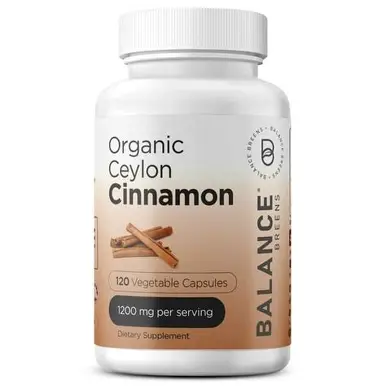

Researching Ceylon cinnamon supplements honestly started from one of those quiet ads that just kept showing up while I was scrolling. Nothing flashy, just a calm voice saying something like cinnamon could help balance blood sugar naturally.
At first I ignored it, but the more it kept appearing, the more it started to feel like something I should actually look into instead of brushing off.
So I ended up digging into it properly, not as a product I wanted to try, but just to understand what is actually behind all the claims.
And the more I looked, the more it felt like a mix of real ingredient science and very stretched marketing.
What Ceylon Cinnamon Actually Is (What I Had to Clear Up First)
Before anything else, I had to separate the product from the hype in my head.
Ceylon cinnamon is basically a real spice from the bark of a tree called Cinnamomum verum. It is mostly grown in Sri Lanka and is often called “true cinnamon.”
What I realized quickly is that most people already use cinnamon without even knowing there are two types.
From what I found:
• Ceylon is lighter, more delicate, and considered the “premium” version
• Cassia is the common supermarket cinnamon most people already have
• Ceylon has lower coumarin, which is why it gets positioned as safer
So the ingredient itself is not mysterious. It is just cinnamon, packaged differently depending on where it comes from.
Why I Started Taking the Claims Seriously
The reason I didn’t dismiss it immediately is because cinnamon actually does show up in some research around blood sugar and metabolism.
But here is the part that matters. The studies are usually small, mixed, and not strong enough to treat it like a medical solution.
That disconnect is what made me pause.
Because what I was seeing in ads was not “may support blood sugar.” It was being pushed closer to “helps regulate metabolism and weight naturally.”
That is a big jump from actual research.
What These Supplements Are Really Promising
When I looked at different Ceylon cinnamon supplements, I started noticing the same pattern repeating.
They usually claim things like:
• supporting blood sugar balance
• helping with weight management
• improving metabolism
• reducing inflammation
• boosting overall energy
Individually, none of these sound extreme. But when you see all of them stacked together, it starts to feel like too much responsibility is being placed on a single ingredient.
That is usually where I start slowing down in my own thinking.
The Marketing Pattern That Became Hard to Ignore
What really stood out after a while was not even the product itself, but how similar the marketing feels across different brands.
It usually follows this flow:
• first, a health concern is introduced (blood sugar, weight, fatigue)
• then cinnamon is presented as a forgotten natural fix
• then simplified science is used to make it feel believable
• then testimonials or transformation stories appear
• finally urgency is added with discounts or limited time offers
It does not feel aggressive, which is what makes it effective. It feels calm and educational, almost like information instead of persuasion.
But when you step back, it is still a funnel.
Where It Starts to Feel Stretched
The part that kept bothering me is how quickly a mild research area gets turned into a full solution.
From what I understand, cinnamon might have a small supportive effect in some cases, but what is being sold is far beyond that.
The marketing takes something like:
“may slightly support blood sugar in some people”
and turns it into:
“supports metabolism, weight loss, and energy balance”
That gap is where expectations quietly get inflated.
What I Noticed When I Stepped Back
If I strip away the branding and just look at it plainly, Ceylon cinnamon is not doing anything unusual. It is a spice with some mild health interest around it.
But in supplement form, it starts carrying a lot more meaning than the ingredient itself really supports.
And that is what makes it tricky. Nothing about it feels fake, but nothing about it feels as powerful as the marketing suggests either.
My Honest Take After Going Through It
After sitting with everything I found, my impression is pretty simple.
Ceylon cinnamon is a real ingredient with some interesting but limited research behind it. The supplement version is where things get stretched.
It does not feel like a scam, but it also does not feel like something that should be expected to deliver major health changes on its own.
At best, it feels like a mild supportive addition. Not a solution, not a fix, and definitely not something I would take at face value from ads.
That same pattern also showed up in my Salvora Rhodiola Rosea review where the effects were much more subtle than the marketing suggested.
And in some cases like my NeuroSalt review the funnel structure itself does more work than the product explanation.