
Imagine finding a cream that claims to help bring back your natural skin colour without complicated treatments or repeated visits to a dermatologist. That’s the promise behind Ceoerty Herbal Vitiligo Cream. Its ads talk about seven botanical ingredients, a special skin-care formula and visible improvements in as little as seven days. For anyone dealing with vitiligo, those claims can sound very appealing. But I wanted to know whether this cream has anything substantial behind the promises. The company makes some impressive claims about its customers and results, yet there are details about the ingredients, customer reviews and product testing that deserve a closer look.
Table of Contents
- What You’re Actually Getting With Ceoerty
- Can a Cream Really Restore Skin Colour in Seven Days?
- Those Seven Herbal Ingredients Sound Promising, But…
- 150,000 Happy Customers?
- I Found the Same Product on Other Storefronts
- The Website Makes Big Quality Claims, But Where Is the Proof?
- What Dermatologists Actually Use to Treat Vitiligo
- So, Is Ceoerty a Scam or a Legit Cream?
- Would I Spend Money on Ceoerty?
- Final Verdict: I’d Be Careful With These Claims
- Frequently Asked Questions
What You’re Actually Getting With Ceoerty
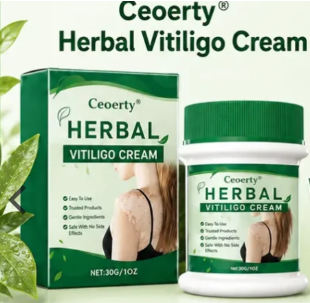
Ceoerty Herbal Vitiligo Cream is a topical cream sold through Ceoerty.com. It is marketed to people with vitiligo and those who want to improve the appearance of white patches and uneven skin tone. The company presents it as a botanical skin-care formula that can help condition affected areas and support a more even-looking complexion. The advertised ingredients include aloe vera, tea tree oil, neem, licorice, turmeric, ginkgo biloba and glycyrrhiza glabra. The last two names in the list are not separate plants: glycyrrhiza glabra is the botanical name for licorice. The cream is sold in different package sizes, with prices displayed from $18.90 to $40.90.
The ingredient list sounds familiar enough, but it doesn’t tell us how much of each ingredient is actually in the cream. Ceoerty doesn’t provide a detailed breakdown of the concentrations, so buyers have very little information to judge the formula beyond the names printed on the page.
Can a Cream Really Restore Skin Colour in Seven Days?
Ceoerty gives its product a fairly ambitious results timeline. Its marketing describes what users supposedly experience after 30 minutes, 12 hours, one week and two weeks. It also promotes a seven-day targeted-care routine, giving the impression that noticeable changes may happen quite quickly. The problem is that the website moves between ordinary skin-care benefits and claims that suggest improvement in vitiligo itself. Keeping skin moisturised and making dry patches feel smoother are reasonable cosmetic goals. Restoring lost pigmentation is a different matter.
Vitiligo occurs when pigment-producing cells are lost or stop functioning in affected areas. A cream that moisturises the skin does not automatically bring those cells back or restore the colour. Ceoerty does not provide a clinical study showing that its finished formula can repigment skin within seven days. I would not treat that timeline as an established result.
Those Seven Herbal Ingredients Sound Promising, But…
The company makes a point of highlighting its botanical formula. Aloe vera is associated with skin hydration, tea tree oil is commonly used in skincare, and turmeric and licorice appear in many cosmetic products. Neem and ginkgo biloba add to the impression that this is a carefully assembled herbal treatment. There is nothing wrong with using botanical ingredients in a skin-care product. The question is what they can actually do in this particular formula. Ceoerty doesn’t disclose the amount of each ingredient or provide testing showing that the combination can restore pigmentation in people with vitiligo.
The ingredient list also needs a little more scrutiny. Licorice and glycyrrhiza glabra refer to the same plant, so presenting them as two separate ingredients can make the formula appear more extensive than it is. None of this proves the cream is harmful or useless as a moisturiser, but it certainly doesn’t establish it as a vitiligo treatment.
150,000 Happy Customers?
Ceoerty claims that more than 150,000 customers across the United States trust its products. The product page also displays impressive figures, including claims that 97% of users noticed smoother-looking skin, 92% experienced gentle daily comfort and 96% would continue using the cream. Those numbers sound reassuring until you look for the details behind them. The product listing displays zero customer reviews, and the website does not clearly explain how these percentages were calculated, how many people took part or whether the results came from independent testing.
There is also a section presenting customer results, but selected promotional stories are not the same as independently verified evidence. If a company wants buyers to rely on impressive satisfaction figures, it should explain where they came from. I couldn’t find enough information on the page to do that.
I Found the Same Product on Other Storefronts
Ceoerty isn’t the only website using this product description. Similar Herbal Vitiligo Cream listings appear on other storefronts, including GenevaMD, with some pages using different descriptions and ingredient claims. The differences are worth paying attention to. Ceoerty lists seven ingredients, while another version describes a six-botanical formula. Some pages also make stronger statements about restoring natural skin colour and supporting pigment-producing cells.
This doesn’t automatically mean the product is fake. Different retailers can sell the same item, and product descriptions sometimes vary. But buyers should be able to establish whether they’re getting the same formula, who actually manufactures it and which business is responsible for the product. Ceoerty doesn’t make those details particularly clear.
The Website Makes Big Quality Claims, But Where Is the Proof?
Ceoerty has a section titled “Verified Performance and Safety Standards” and displays customer satisfaction figures alongside its product claims. The presentation gives the impression that the cream has been thoroughly tested. What I couldn’t find was a detailed testing report to support that impression. The page doesn’t provide clinical results for the finished formula, independent testing of its claimed vitiligo benefits or enough manufacturing information to give buyers a clear picture of who makes the cream.
Ceoerty also sells unrelated products, including hair growth oil, dark spot serum, toothpaste, body sculpting mist and wellness patches. A store selling several product categories isn’t automatically suspicious. However, when it starts selling a specialised product for a medical skin condition, I would expect more information about the formulation, manufacturer and evidence behind its claims.
What Dermatologists Actually Use to Treat Vitiligo
There are established treatments for vitiligo, but they aren’t based on simply moisturising the affected skin. Depending on the person and the extent of the condition, dermatologists may recommend prescription creams, light therapy or other treatments designed to help restore pigmentation. For example, prescription ruxolitinib cream has been studied in clinical trials for certain people with vitiligo. Results are assessed over months, not a few days. That is quite different from Ceoerty’s seven-day marketing timeline.
This doesn’t mean every person with vitiligo will respond to the same treatment. Results vary, and treatment decisions should be made with a qualified dermatologist. But it does show why I wouldn’t put much weight on Ceoerty’s claims without proper clinical evidence for the finished product.
So, Is Ceoerty a Scam or a Legit Cream?
I wouldn’t call Ceoerty a confirmed scam based on the information available. The company has an active online store and lists the cream for sale. I also found similar product listings elsewhere. My concern is what the company is promising. The seven-day results timeline isn’t backed by product-specific clinical evidence, the impressive customer statistics aren’t properly explained, and the website doesn’t disclose enough about the ingredient concentrations or manufacturer. The cream may offer ordinary skin-conditioning benefits, but that’s not the same as treating vitiligo or bringing back lost pigmentation. Anyone buying it specifically for those results should be aware that the company hasn’t demonstrated that it can deliver them.
Would I Spend Money on Ceoerty?
Not as a vitiligo treatment. If I were looking for something to restore skin colour, I would want evidence that the product can actually do that, not just a list of herbal ingredients and a seven-day results promise. Someone looking for a basic moisturiser might consider the cream for that purpose, provided they check the ingredients and their skin tolerates them. But I wouldn’t pay a premium because the product is advertised as a special vitiligo solution. There are ordinary moisturisers available without making claims about restoring pigmentation.
If you have white patches that haven’t been diagnosed, get them checked by a dermatologist. If you already have vitiligo, discuss established treatment options rather than replacing them with Ceoerty.
Final Verdict: I’d Be Careful With These Claims
Ceoerty Herbal Vitiligo Cream has an appealing sales pitch: seven botanical ingredients, impressive customer statistics and the promise of visible results in a short time. Unfortunately, the evidence on its website doesn’t support the most important part of that pitch. I could not find any clinical evidence showing that the finished cream restores pigmentation or treats vitiligo. The customer statistics are also difficult to verify, and the different product listings raise questions about the exact formula being sold. I wouldn’t describe Ceoerty as a proven scam, but I wouldn’t recommend it as a vitiligo treatment either. The company needs to show considerably more evidence before buyers should trust its skin-restoration promises.
Frequently Asked Questions
Does Ceoerty Herbal Vitiligo Cream really work?
The cream contains ingredients commonly used in skincare, but there is no convincing product-specific clinical evidence showing that it restores pigmentation or treats vitiligo.
Can Ceoerty remove white patches in seven days?
Ceoerty advertises a seven-day care routine, but it has not provided clinical evidence showing that the cream can restore lost skin pigment within that period.
What ingredients are in Ceoerty Vitiligo Cream?
The listed ingredients include aloe vera, tea tree oil, neem, licorice, turmeric, ginkgo biloba and glycyrrhiza glabra. The company does not clearly disclose the concentration of each ingredient.
Is Ceoerty Herbal Vitiligo Cream FDA approved?
I couldn’t verify FDA approval for this cream as a vitiligo treatment. Buyers should not assume that a product is FDA approved simply because a seller uses medical-sounding language or displays regulatory badges.
Should I buy Ceoerty Herbal Vitiligo Cream?
I wouldn’t buy it expecting to restore skin pigmentation. The company has not provided sufficient clinical evidence to support that use. Anyone seeking vitiligo treatment should speak with a dermatologist about established options.
Read also >>> Buybataleon.shop Warning: Is This Snowboard Store Really Connected to Bataleon?